

Chicago is a major U.S. industrial and transportation hub, yet it boasts a rich natural heritage defined by Lake Michigan and a complex network of rivers and canals. However, intense urbanization, industrial operations, and aging infrastructure have created a series of persistent environmental issues that directly impact public health. Read more at chicagoname.
Drinking Water Quality
Lead contamination in drinking water is one of Chicago’s most pressing and high-profile issues. Much of the city’s housing stock was built before 1986, leaving the city with hundreds of thousands of lead service lines. Research and official reviews indicate that a significant number of households may have detectable lead levels in their tap water, which is particularly dangerous for children. While federal and state agencies emphasize inventorying, testing, and the gradual replacement of lead pipes, the pace of work and funding remain significant hurdles.
City and regional plans include a phased service line replacement program, but federal regulations and deadlines continue to put pressure on local authorities.
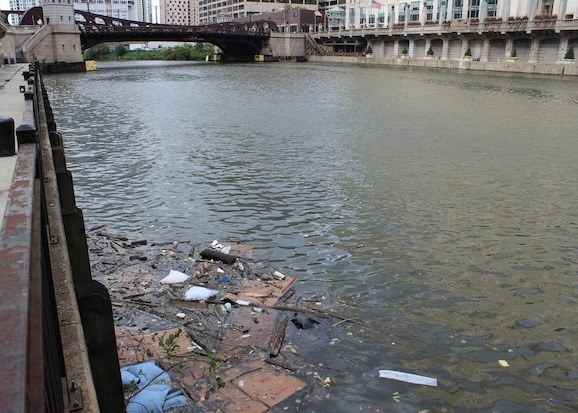
Historically, Chicago’s river system was heavily contaminated by industrial and municipal runoff. Over the past few decades, government institutions, the municipality, and non-profit organizations have worked aggressively to clean and restore these waterways. Restoration projects include upgrading treatment plants, managing stormwater runoff, and creating waterfront zones for both ecosystems and recreation.
Air Pollution
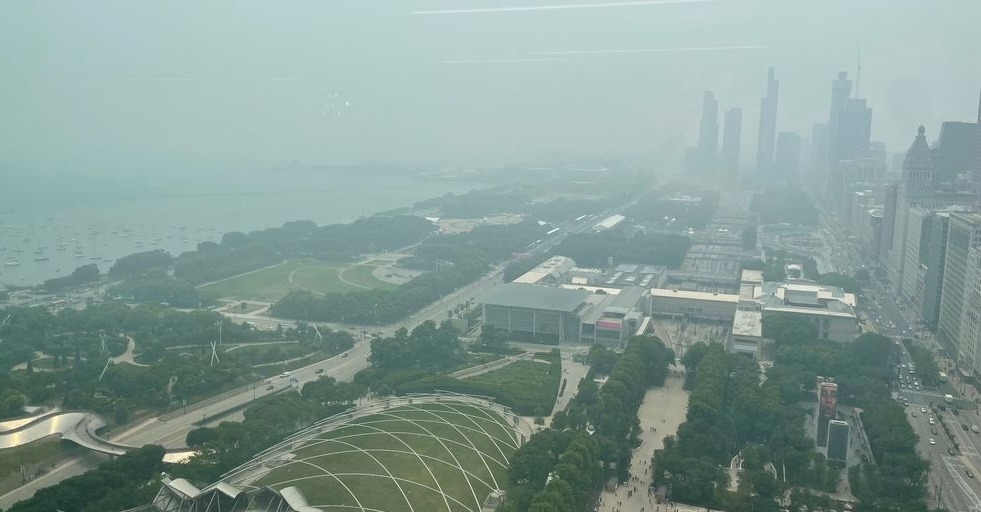
Air quality is a critical issue affecting the health of Chicagoans every year. The city continues to struggle with elevated levels of particulate matter and ozone, particularly near major highways, congested transit hubs, and industrial zones. Severe pollution spikes can also be caused by drifting wildfire smoke from neighboring regions. Additionally, Chicago’s poor air quality is linked to heavy traffic, industrial sources (especially in the Southeast Side), and freight transit flows. Official studies show that areas in the South and West Sides experience higher pollution levels due to the concentration of emission sources and the socioeconomic vulnerability of residents. Fine particulate matter (PM2.5) and ozone exposure are linked to increased respiratory and cardiovascular diseases. Furthermore, some neighborhoods show elevated levels of chromium-6, a potential carcinogen, and other water disinfection byproducts that may impact health over long-term consumption.
Federal reviews and collaboration with the Illinois EPA and US EPA highlight the need for stricter oversight and compliance with the Clean Air Act in Chicago’s industrial districts. Often, the environmental burden falls disproportionately on low-income communities, creating urgent challenges for equity in environmental protection policies.
Chicago has developed climate and resilience strategies aimed at adapting to rising temperatures, heavy rainfall, and extreme weather events. City programs include energy efficiency initiatives, drainage infrastructure modernization, the expansion of green spaces, and urban mobility planning focused on reducing emissions.
Official medical institutions and city health departments link environmental risks to higher disease rates, particularly among vulnerable groups: children, the elderly, and residents of highly polluted areas or those with aging infrastructure. Prevention programs, residential water testing, public awareness campaigns, and mitigation efforts are all key components of the city’s public health strategy.
Chicago’s environmental challenges are multidimensional, ranging from legacy lead pipes to industrial emissions and climate change. Addressing them requires a comprehensive policy that combines accelerated infrastructure modernization, transparent monitoring, and targeted investment in the hardest-hit communities. Would you like me to adapt this translation for a specific social media platform or newsletter format?