

The Peggy Notebaert Nature Museum stands as one of Chicago’s premier natural history museums. While it is a favorite for families, its exhibits offer plenty to engage adults as well. Operated by the Chicago Academy of Sciences, the museum focuses on the natural history of the Chicago region. Beyond its permanent galleries, it is renowned for its live collections and educational programs that bring science to life for every generation. The museum also serves as a vital hub for research and the conservation of local butterfly species. Read more on chicagoname.
Museum History
The Chicago Academy of Sciences was founded in 1857 by Robert Kennicott and William Stimpson, two ambitious young American naturalists. It was Chicago’s very first museum dedicated to nature and science. By the mid-19th century, the Academy had assembled one of the finest natural history collections in the United States. Tragically, most of these artifacts were lost in the Great Chicago Fire of 1871. Although the museum was rebuilt, it faced further financial struggles during the 1880s.
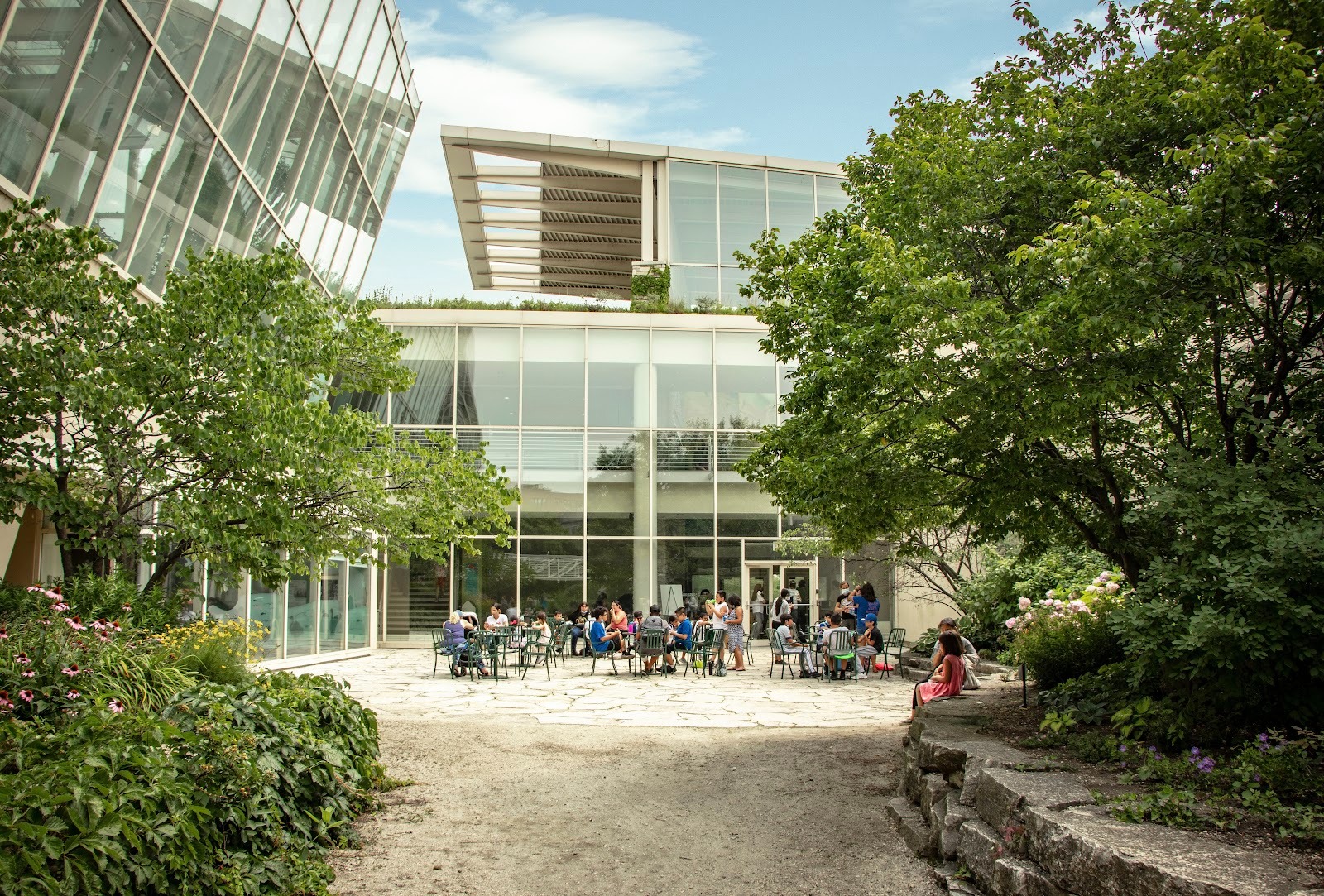
In 1898, the Academy constructed a new facility in Lincoln Park, which served as the prototype for the Chicago Park District’s “museums in the parks” initiative. The original museum captivated visitors with its immersive natural dioramas depicting regional ecosystems. Once the collection and programming outgrew that space, the Academy built a new home on the southeast shore of North Pond. The current building, named in honor of benefactor Peggy Notebaert, opened in 1999. The former building now houses the administrative offices for the Lincoln Park Zoo.
Exhibits and Educational Programs
The museum features a variety of exhibits and botanical reconstructions, including the Butterfly Haven, City Science House, Water Lab, and Wilderness Walk. These were developed by Academy staff under the leadership of Kevin Coffee and Douglas Taron, in collaboration with the architectural firm Lee H. Skolnick Design + Architecture Partnership and Carol Naughton Associates.
Key highlights of the museum include:
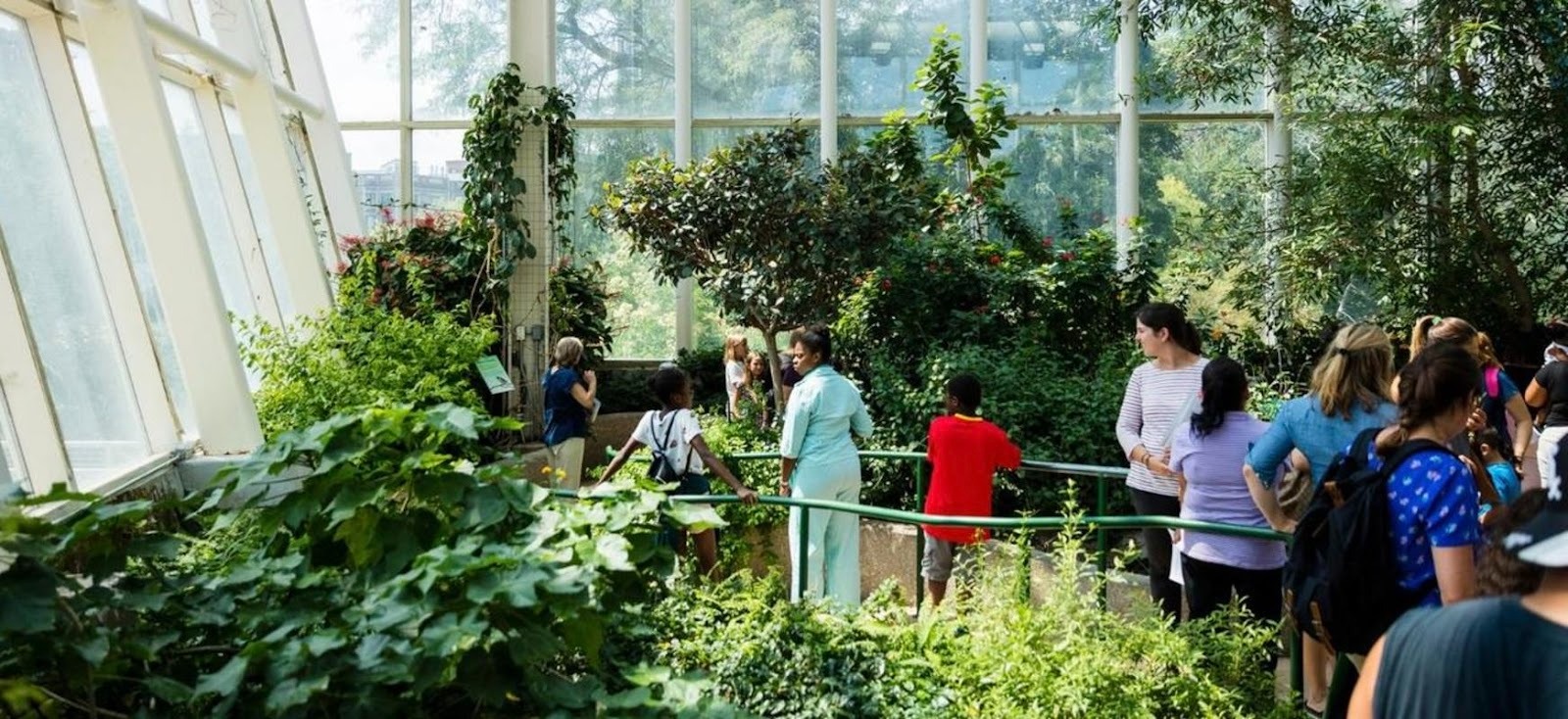
- Butterfly Haven — A live collection featuring over 200 species of native and exotic butterflies. The facility also focuses on researching and breeding local species to bolster Chicago’s butterfly population;
- City Science House — An interactive zone designed for children to explore natural sciences through hands-on experiments;
- Water Lab — An educational exhibit dedicated to the aquatic ecosystems of the Illinois region;
- Wilderness Walk — Immersive dioramas and botanical reconstructions that recreate local ecological environments.
Scientific and Educational Initiatives
The Peggy Notebaert Nature Museum is more than just an exhibition space. Each year, it hosts over 100 educational programs for children and adults, ranging from scientific lectures and hands-on workshops to field-based environmental research.
The museum is deeply involved in scientific research and the preservation of Chicago’s biodiversity. Its core programs include:
- Studying native butterfly species;
- Breeding and supporting local insect populations;
- Educational outreach for students and adults to promote ecology and natural sciences.
This museum helps foster environmental awareness through interactive, science-based displays. The opening of the Sustainability Center provided a vital platform for discussing modern environmental challenges and sustainable practices. The center features interactive learning stations, a large digital projection globe, and installations that illustrate the connection between water, energy, food, and climate. These tools allow visitors of all ages to better understand how their daily choices impact the environment.
The Peggy Notebaert Nature Museum plays a pivotal role in preserving Chicago’s natural history and making science accessible. Its unique exhibits and scientific programs have established it as a central hub for the community.