

Chicago is a bustling metropolis located on the shores of Lake Michigan. The city was recognized as a center of innovation and progress back in the 20th century. During its development more and more attention is paid to sustainable practices and the implementation of environmentally friendly transport systems. In the 21st century, such plans are not only an expression of Chicago’s commitment to reducing carbon emissions but also of its desire to improve the quality of life for its residents. Read more on chicagoname.
Bicycles and bike lanes
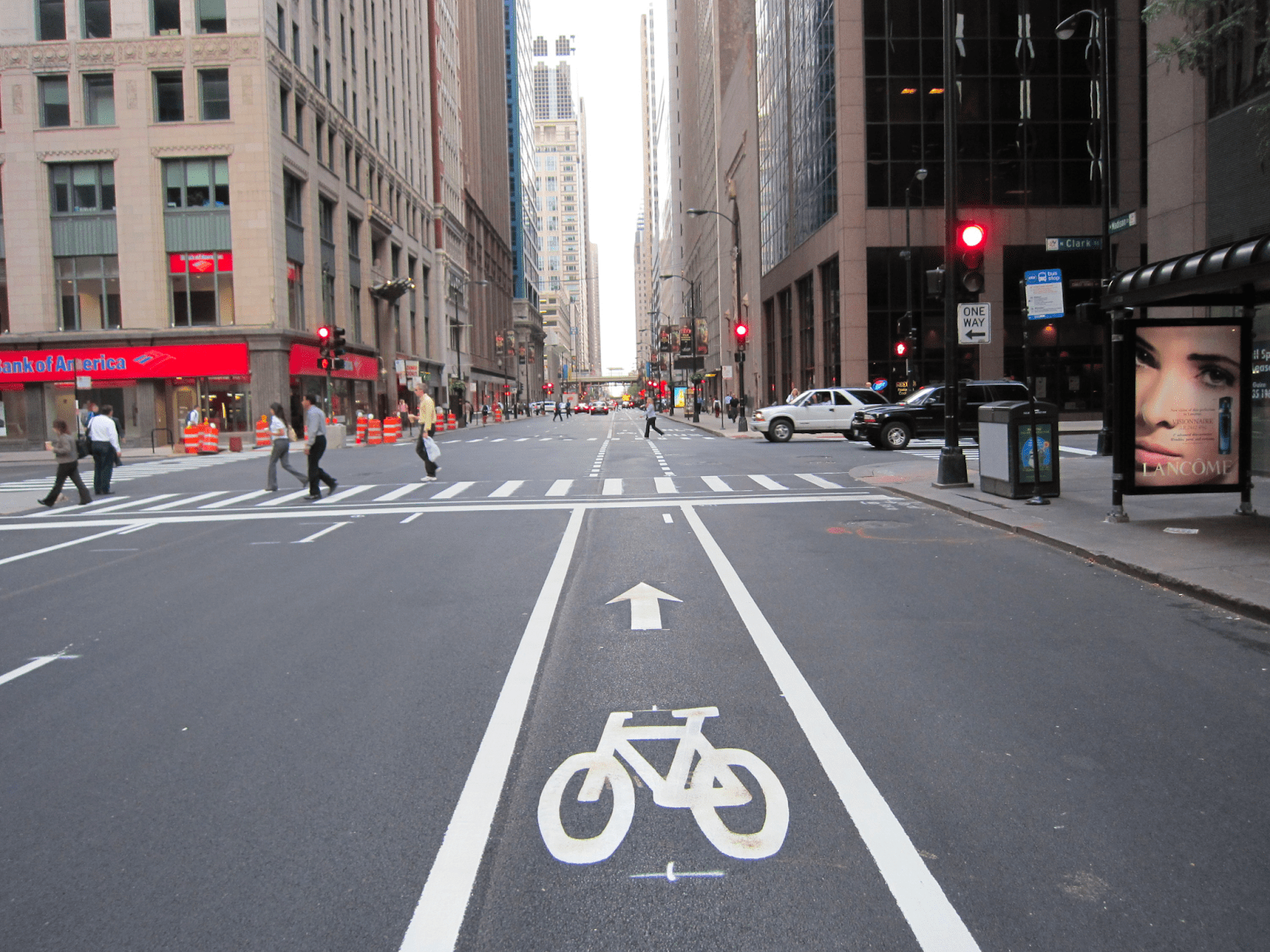
One of the most significant initiatives aimed at the development of ecological transport in Chicago is the expansion of the city’s bicycle infrastructure. It all started in the 1970s when the first bike lanes were created on Clark and Dearborn Streets. This initiative started to expand to other areas of Chicago. Nowadays it covers the entire city. Thanks to an extensive network of bike lanes and the introduction of bike rental programs, Chicagoans switch to cycling as an alternative to traditional modes of transportation. The Divvy program, which offers affordable bike rental, has become extremely popular. It provides residents and tourists with a convenient and environmentally friendly way to get around the city. The Bike & Ride program, which was created to improve the access of cyclists to bus routes and railway stations, also became popular.
Environmentally friendly transport
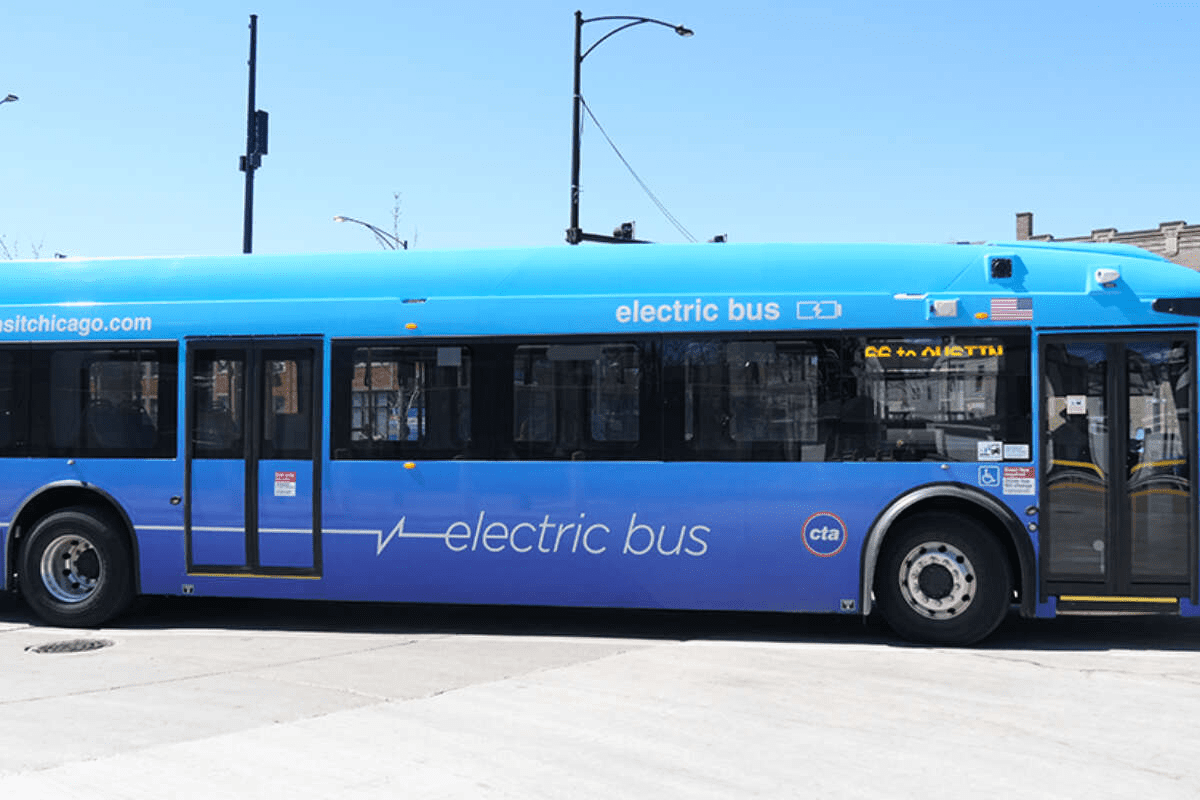
In addition, Chicago’s Department of Transportation has taken other steps toward green initiatives. The administration has invested heavily in hybrid buses, which combine electric and conventional power plants. All this contributes to the reduction of emissions of harmful substances into the atmospheric air. Moreover, the city has made significant progress in the electrification of the public transport network. The introduction of electric buses and the installation of charging infrastructure are key points in Chicago’s efforts to create a more sustainable public transportation system.
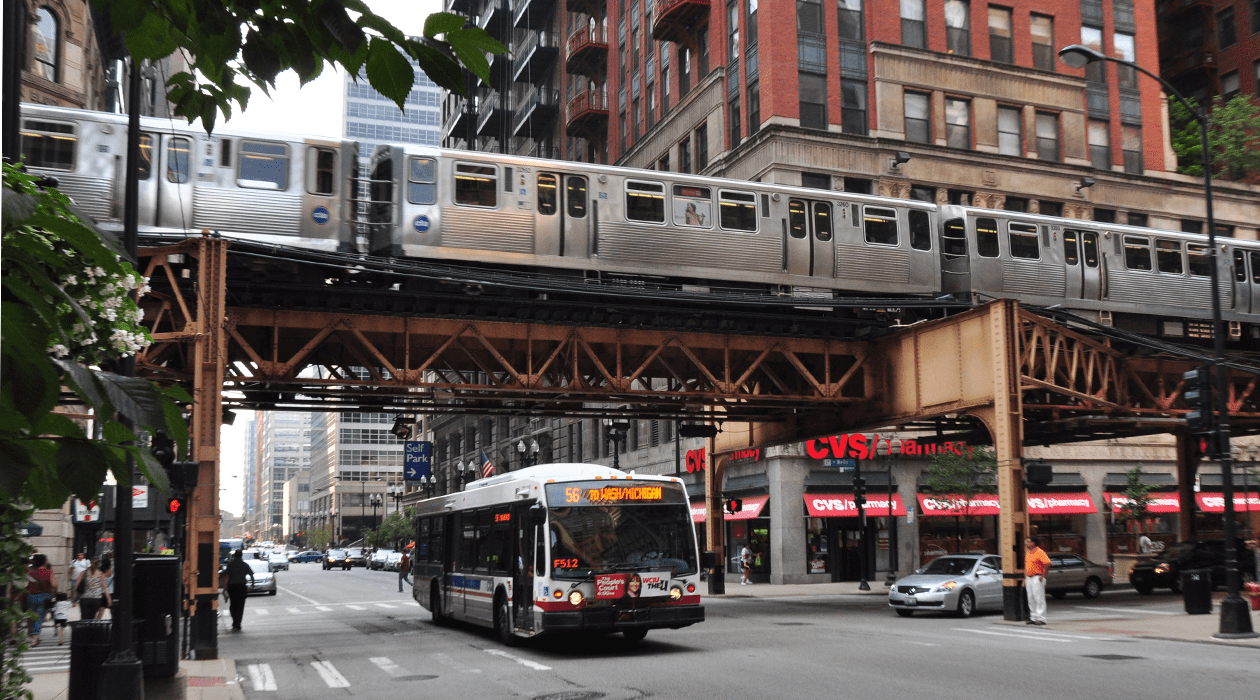
In the 21st century, Chicago has the following ecological transport:
- electric rail is a highly efficient type of motorized transport that operates on steel rails with a low friction coefficient
- 5000 series L cars are equipped with an innovative braking system that can transfer electricity back to the third rail, supplementing the power of nearby trains
- diesel buses are registered since 2007 and are equipped with environmentally friendly engines and particulate filters that meet emission standards
- the bus fleet includes hybrid-electric SUVs, sedans, pickup trucks and cars that can run on 85% ethanol gasoline and some cars run on compressed natural gas.

To encourage the use of electric vehicles among residents, Chicago’s government has implemented a comprehensive strategy. It includes the installation of charging stations for electric vehicles throughout the city. In addition, residents who purchase electric vehicles are provided with financial incentives from the government, such as tax credits and discounts. These measures not only increased electric car sales in Chicago in the 2020s but also helped to reduce air pollution and greenhouse gas emissions.
Progress made in the 21st century in the development of green transportation in Chicago had a significant impact on the city’s carbon footprint. It also improved the overall quality of life in the city. Green transportation initiatives implemented in Chicago in the second half of the 20th century have gradually led to cleaner air, a decrease in traffic congestion and less pollution. All of these transportation initiatives have a positive impact on both the environment and the health and well-being of Chicagoans.
