

Sustainable development and green energy began to gain popularity at the beginning of the 20th century. However, only in the 21st century did these concepts become really widespread. Nowadays, cities around the world are striving to reduce their carbon footprint and use alternative energy sources. One such progressive modern city is Chicago. Due to the implementation of innovative programs and projects, Chicago has become the greenest city in the United States. In the 21st century, it is an undisputed leader in the transition to alternative energy sources. More details are presented on chicagoname.
Commitment to renewable energy sources
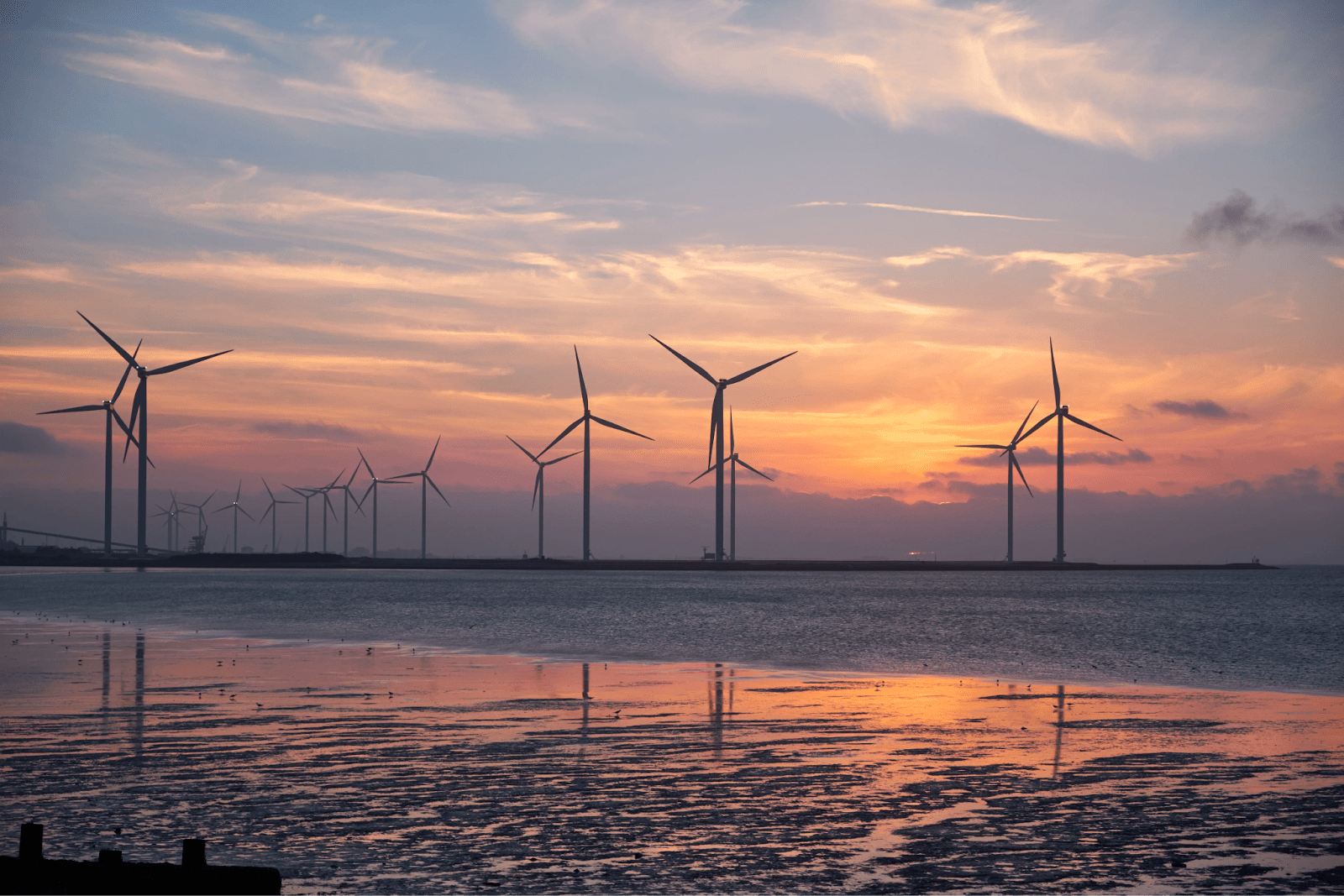
Chicago’s government’s commitment to this topic is exemplified by its ambitious goal of transitioning to 100% clean renewable energy by 2035.
Wind energy plays a crucial role in the local system. After all, Chicago is well-known as a City of Winds. Thanks to its unique landscape, winds of varying strength blow there all year round. Thus, nowadays Chicago has a wind farm on Lake Michigan, located near the city’s shoreline. It uses the region’s powerful winds to generate clean electricity for thousands of households.
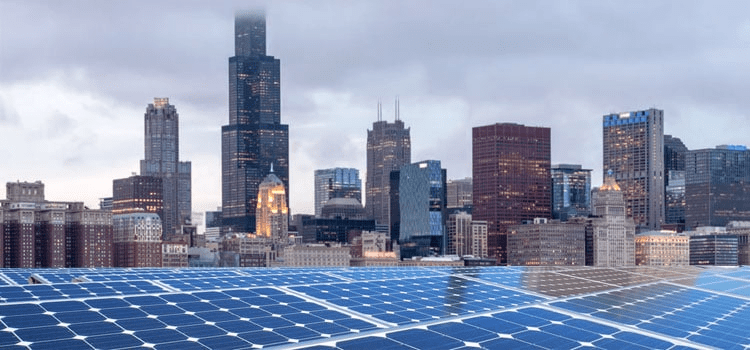
In addition to harnessing the power of the winds, the city government has also invested in solar energy. The number of solar panels on the roofs and the implementation of various programs for locals allows them to actively participate in the transition to clean energy.
Urban innovation for a sustainable future
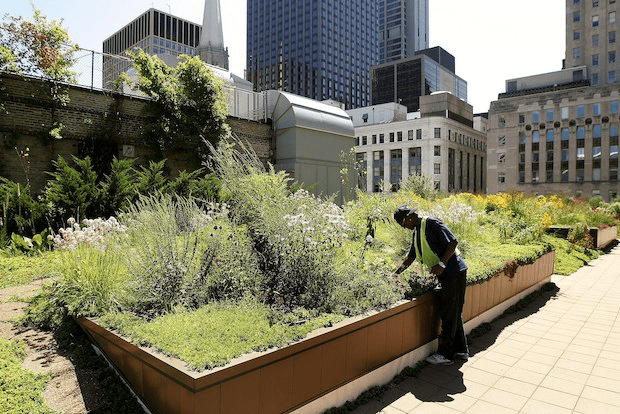
The green revolution in Chicago is not just a transition to renewable energy sources. In addition, throughout the 21st century, the city has continuously implemented numerous urban innovations to promote a sustainable lifestyle and reduce human impact on the environment. Such initiatives include the Chicago Riverwalk. It is a picturesque promenade along the Chicago River, which is a model of sustainable development of the city. Green roofs, waterproof sidewalks and innovative rainwater harvesting systems have been installed along the river. It is a perfect example of the city’s commitment to sustainable design.
Another great initiative that has been implemented in Chicago is the modernization and transformation of abandoned industrial sites into bright green locations. The 606 is an elevated railway line that has been reconstructed into a park. In the 21st century, it serves as a transport hub for cyclists, pedestrians and nature lovers. This ingenious solution revitalized the area, contributed to the attraction of city residents and also served as an oasis for some species of animals and birds.
Interaction with the locals

Chicago’s green energy transition is also based on citizen engagement. The city’s sustainability initiatives are not limited to affluent neighborhoods. They aim to benefit all residents, especially in low-income communities. Thus, the Retrofit Chicago Energy Challenge aims to modernize housing for the city’s poor residents to increase energy efficiency and reduce utility costs. In addition, community initiatives such as urban agriculture, community gardens and recycling programs allow residents to actively participate in sustainable practices, fostering a sense of environmental concern.
In the 21st century, Chicago has implemented a huge number of environmental programs, renewable energy sources and much more. During this time, the city was twice recognized as the greenest one in the United States according to the index of approval of ecologically clean buildings. Thanks to its green program, Chicago received the platinum certificate LEED for Cities from the US Green Building Council. It also became the first major city to receive the ENERGY STAR Partner of the Year Award. In 2018, another large-scale clean energy program Chicago Renewable Energy Challenge was launched in the city.
All these achievements of Chicago in the area of renewable energy characterize it as one of the greenest cities in the USA.
