

Chicago is an American city famous for its culture, rich history, industry, monuments and water resources. One of the legendary local rivers flows through the very heart of the city and has the same name. It weaves together the city’s past, present and future. This waterway not only shaped the city’s landscape but also played a significant role in its economic growth, architectural innovation and environmental efforts. Read more on chicagoname.
Historical background
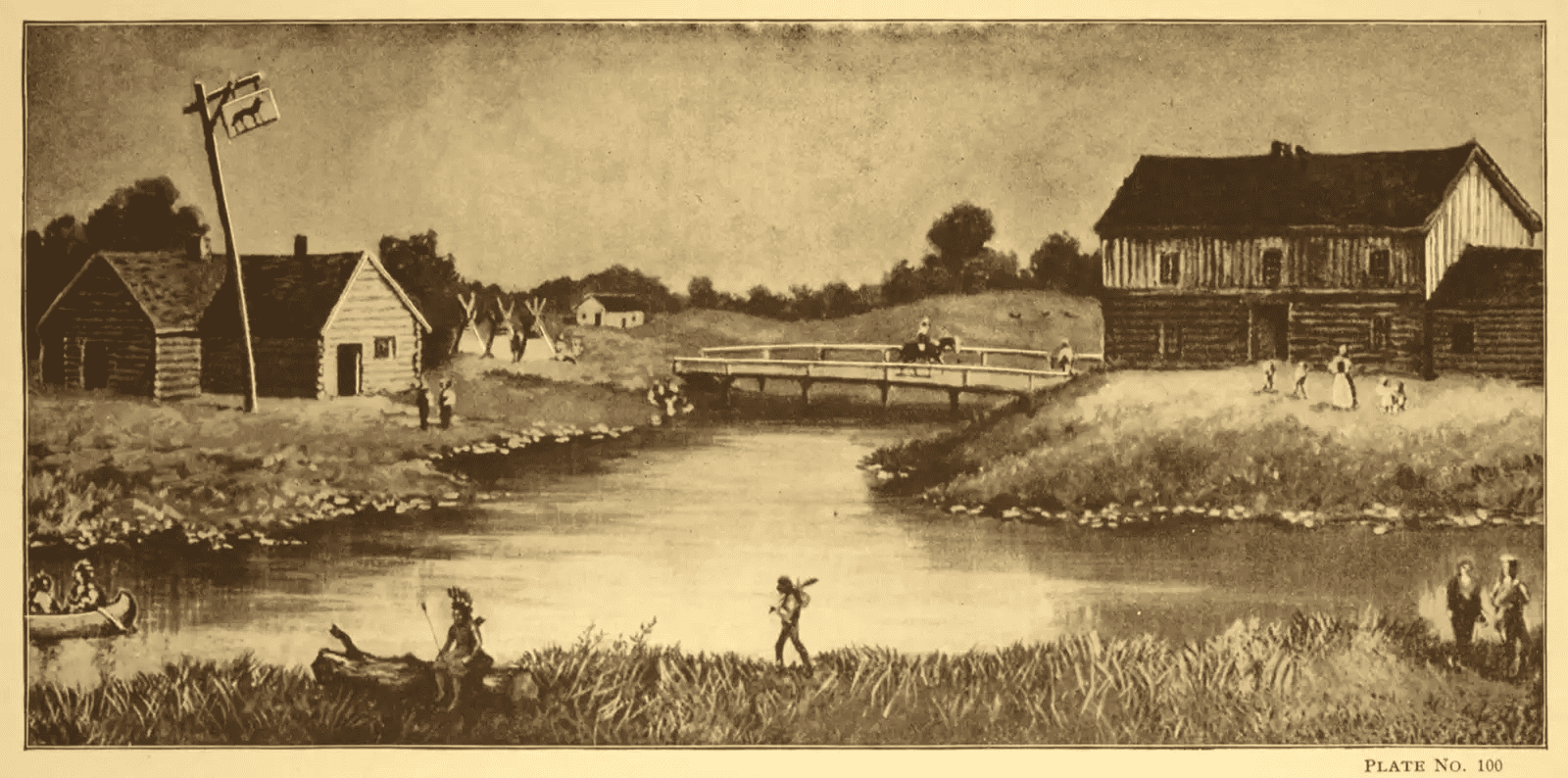
The history of the Chicago River begins long before the arrival of European settlers to America. Native American tribes, including the Potawatomi and Miami, inhabited the region and were already aware of the river’s potential as a transportation route and valuable food source. It had a strategic location connecting the Great Lakes to the Mississippi River. Thus, the river has been an important waterway for trade and exploration since ancient times.
The importance of the river for the city
For centuries, the Chicago River has played a key role for locals. When, in the early 19th century, Chicago became a bustling frontier town that attracted settlers from all over the country, the importance of the river that runs through the heart of the city became even more pronounced. As the city grew rapidly, the river became a vital channel for the transportation of goods and raw materials, contributing to Chicago’s growth as a major industrial and commercial center. However, there was a price to pay for this rapid expansion. Instead of being full of life, the river has suffered from pollution and the effects of unregulated waste disposal. It led to serious health problems for local residents and the environment.
Changing the direction of the river flow
The turning point for the Chicago River came at the end of the 19th century when the implementation of a great engineering project changed its course. To deal with the sanitation crisis and frequent outbreaks of waterborne diseases, the city government implemented a very ambitious project to reverse the Chicago River. Construction of the Chicago Sanitary and Ship Canal was completed in 1900. The project redirected the flow of the river, connected it to the Mississippi River and diverted its polluted waters away from Lake Michigan. Its implementation not only coped with an ecological disaster but also had promising prospects. The construction of the canal reduced the public health risks associated with polluted water and made the river a navigable and scenic waterway. The Chicago River became a center of architectural innovation with some of the most iconic buildings of the 20th century built along its banks, including the Wrigley Building and Tribune Tower.
At the end of the 20th century and the beginning of the 21st century, the Chicago River experienced another great transformation. It was a transition to environmental restoration and sustainable development. Efforts have been made to clean up the river and restore its natural ecosystems. In the early 2000s, the Chicago Riverwalk project was implemented to reconstruct the embankment into a recreation area for locals. The restoration of the river in the 21st century has not only increased its ecological value but also stimulated economic growth. It attracted residents and tourists to the lively waterfront.
In the 21st century, the Chicago River is a huge system of canals and rivers with a total length of about 250 kilometers. It gives the city special geographic importance as it connects the Port of Chicago to the Great Lakes and the Mississippi River, as well as the Gulf of Mexico.
The Chicago River is very important to the city. It is even depicted on the municipal flag of Chicago in the form of two horizontal blue stripes.
