

Chicago is a huge modern metropolis located on the shores of Lake Michigan. It is also known as the Windy City due to different reasons. In addition to its cultural diversity and vivid history, it is also characterized by unique climatic features. Read more on chicagoname.
The climate in the 21st century
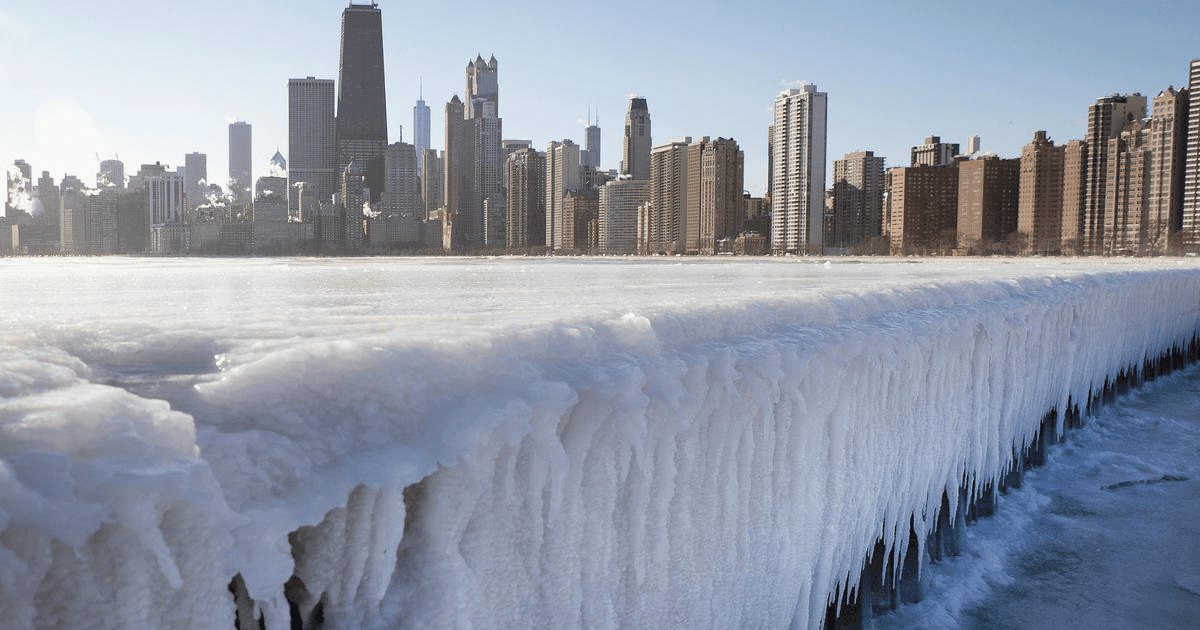
Chicago is located in the Midwest of the United States and has a continental climate with distinct seasons. The main climate features of the city include:
- Temperature. Chicago has warm summers and cold winters. The average summer high temperature (June to August) ranges from 27 °C (81 °F) to 32 °C (90 °F) and the average low temperature is from 16 °C (61 °F) to 21 °C (70 °F). In winter (December to February), the average high temperature ranges from -1°C (30°F) to 4°C (39°F) and the average low temperature is from -9°C (16°F) to -4° C (25°F)
- Rainfall. Chicago has moderate rainfall throughout the year, with the heaviest rains in the summer. The city has an average annual rainfall of about 1,000 mm (39 in). Snowfall is common in winter with an average annual snowfall of about 94 cm (37 in)
- Humidity. Chicago experiences moderate to high humidity levels, especially during the summer. During this season, humidity ranges from 70% to 90%, making summers hot. In winter, the humidity level is usually lower
- Seasonal changes. There are all four seasons in the city. Spring (March to May) and autumn (September to November) are transitional seasons with moderate temperatures. Spring brings a huge amount of flowers and greenery and autumn provides bright leaves. Summers are warm and humid. Winters are cold with snowfalls and sub-zero temperatures
- Harsh weather. Chicago is prone to harsh weather conditions. Thunderstorms are common in the summer. It can bring downpours, unexpected thunderstorms and strong winds. There may even be a tornado, although this phenomenon is relatively rare. Winter storms, including blizzards, can be accompanied by heavy snowfall and strong winds, creating dangerous driving conditions.
These features changed from year to year. Thus, they were affected by various weather conditions and climate change factors.
Why Chicago is the Windy City: the main climatic feature

Despite popular belief, Chicago’s second name is not only related to its weather. Although the city does indeed have strong winds, the name Windy City originated as a metaphorical expression due to the talkativeness and boastfulness of its inhabitants in the late 19th and early 20th centuries. However, the aspects of Chicago’s climate also play a significant role in this name.
One of the main factors contributing to Chicago’s windiness is its proximity to Lake Michigan. As one of the largest freshwater lakes in the world, Lake Michigan acts as a natural wind generator. When the temperature of the lake is significantly different from the air temperature, a pressure gradient is created that pushes the air towards the city. Therefore, there is constantly a wind of different strengths in Chicago throughout the year.
The unique topography of the city also increases the force of the winds. The flat landscape and the absence of geographical barriers ensure the unhindered movement of the air. As winds sweep over the endless spaces of the Great Plains, they accelerate as they approach Chicago, resulting in higher speeds. The absence of mountains or hills to obstruct their movement makes the city an open place for strong winds.
Chicago’s windiness differs depending on the season, which further strengthens its reputation as the Windy City. In winter, when cold air blows inland from the Arctic, it collides with warm air over Lake Michigan, causing rapid changes in weather and strong winds. Spring also brings them as the temperature difference between land and lake increases. In summer, the lake breeze brings relief from the scorching temperatures. Autumn provides a mix of calm and windy days as the seasons change.
Although the second name of Chicago originally belonged to the talkative nature of its inhabitants, the climatic features of the city helped to get used to it. The influence of Lake Michigan, the Great Plains and other factors not only preserved but also confirmed that Chicago is indeed the city with the strongest winds.
