

Chicago is located on Lake Michigan. Its rich and fascinating history is closely intertwined with this body of water. Lake Michigan is one of the five Great Lakes of North America, namely, it is the third largest among them. For many years, this lake has occupied an important place in the hearts of Chicago residents. It served as a source of drinking water, a place for recreation and much more. Lake Michigan in Chicago has a fascinating history that every resident of the city should know. Read more on chicagoname.
The formation of the lake and the first inhabitants
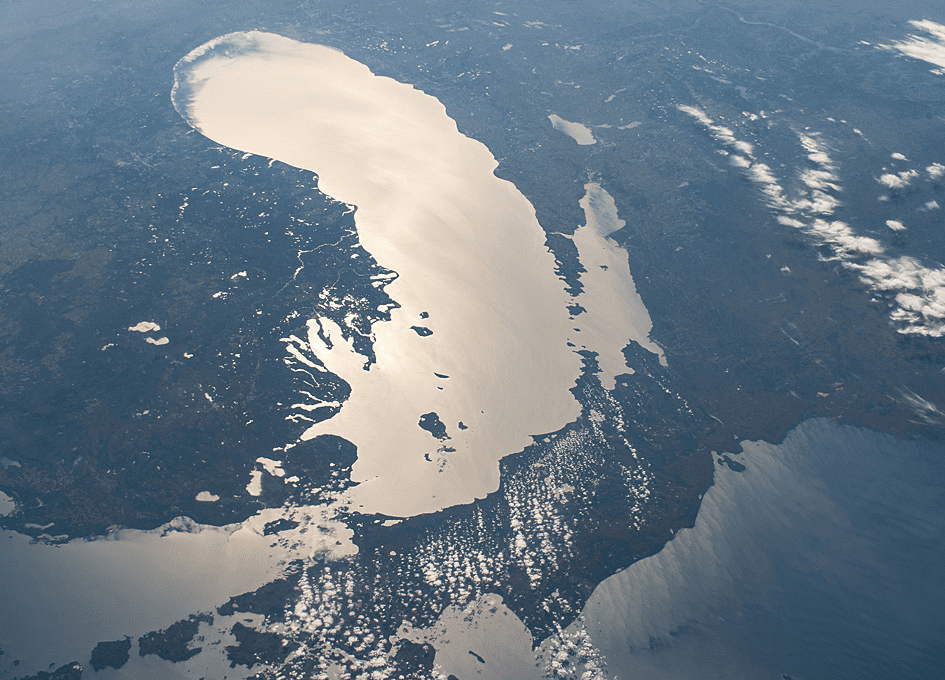
The formation of the lake began more than 1.2 billion years ago. At that time, two tectonic plates moved in opposite directions and left behind a giant scar known as the Midcontinent Rift. The melting of glaciers completely filled it a little less than 15 thousand years ago. As a result, the famous Lake Michigan was created.
The dimensions of the lake are very impressive, namely:
- 281 meters depth
- 494 kilometers length
- 190 kilometers width
- 4,918 km³ volume.
Part of the coastline is located in Chicago.
Scientists have studied Lake Michigan and its first inhabitants for many years. The Hopewell Native Americans were among the first inhabitants of this region. They lived in the area of Lake Michigan until 800 AD when their culture declined. After them, Native Americans of the Late Woodland lived on these lands. Only at the beginning of the 17th century did Western European explorers set foot in this region. In that period, the descendants of Native Americans of the Late Woodland already lived on the lake’s territory including:
- Chippewa
- Menominee
- Sauk
- Fox
- Winnebago
- Miami
- Ottawa
- Potawatomi.
The development of settlements around Lake Michigan and its value
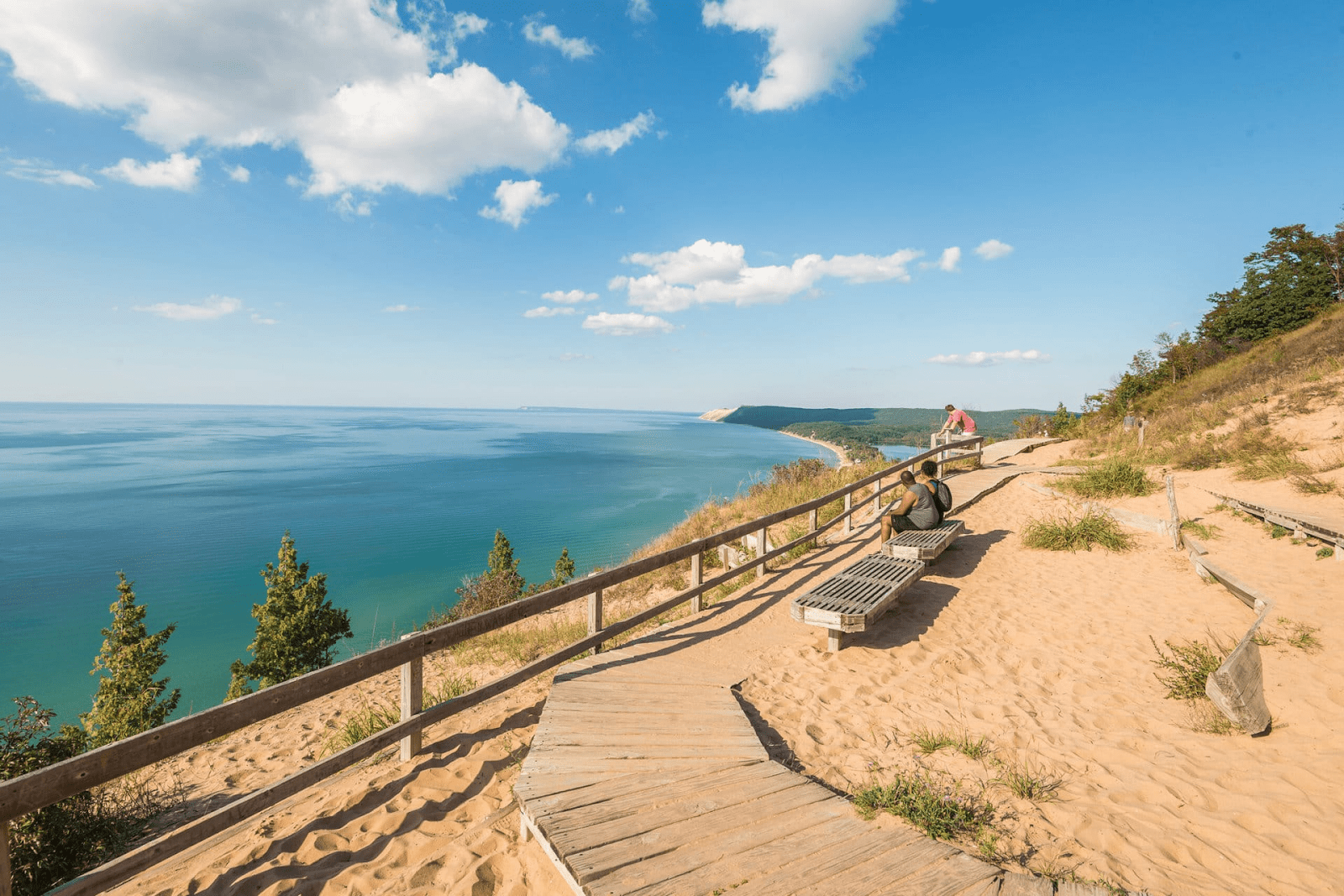
Tribes of the Potawatomi, Miami and other descendants of Late Woodland Native Americans lived along the shores of Lake Michigan. They have used its rich resources from time immemorial. Native peoples relied on Lake Michigan as a source of livelihood, trade and transportation.
At the beginning of the 17th century, French explorers first encountered the lake while searching for new trade routes. However, it was not until the end of the 18th century that the first permanent settlement of non-natives was established in Chicago. As the settlement grew, so did its dependence on Lake Michigan, which provided a vital connection to the outside world through the Great Lakes system.
The construction of the Illinois and Michigan Canal in the 19th century further strengthened the city’s connection to Lake Michigan. This marvel of engineering turned Chicago into a central transportation hub, facilitating the movement of goods and people between the Great Lakes and the Mississippi River. The canal also opened up new trade opportunities, leading to rapid urbanization and the transformation of the city into a major economic center.
Pollution of the lake
However, all the activities that were carried out on Lake Michigan for many decades could not go unnoticed. In the late 19th century, Chicago faced serious problems related to water pollution and sanitation. The Chicago River, which flows into Lake Michigan, carried industrial and domestic waste that polluted the lake and exposed to danger the health of a huge population. This crisis led to the construction of the Chicago Sanitary and Ship Canal. This monumental engineering project rerouted the Chicago River and diverted pollution from the lake to the Mississippi River.
Throughout the 20th century, Lake Michigan continued to play a key role in the development of Chicago. The lake embankment has become a center of recreation thanks to the numerous parks, beaches and the famous Navy Pier.
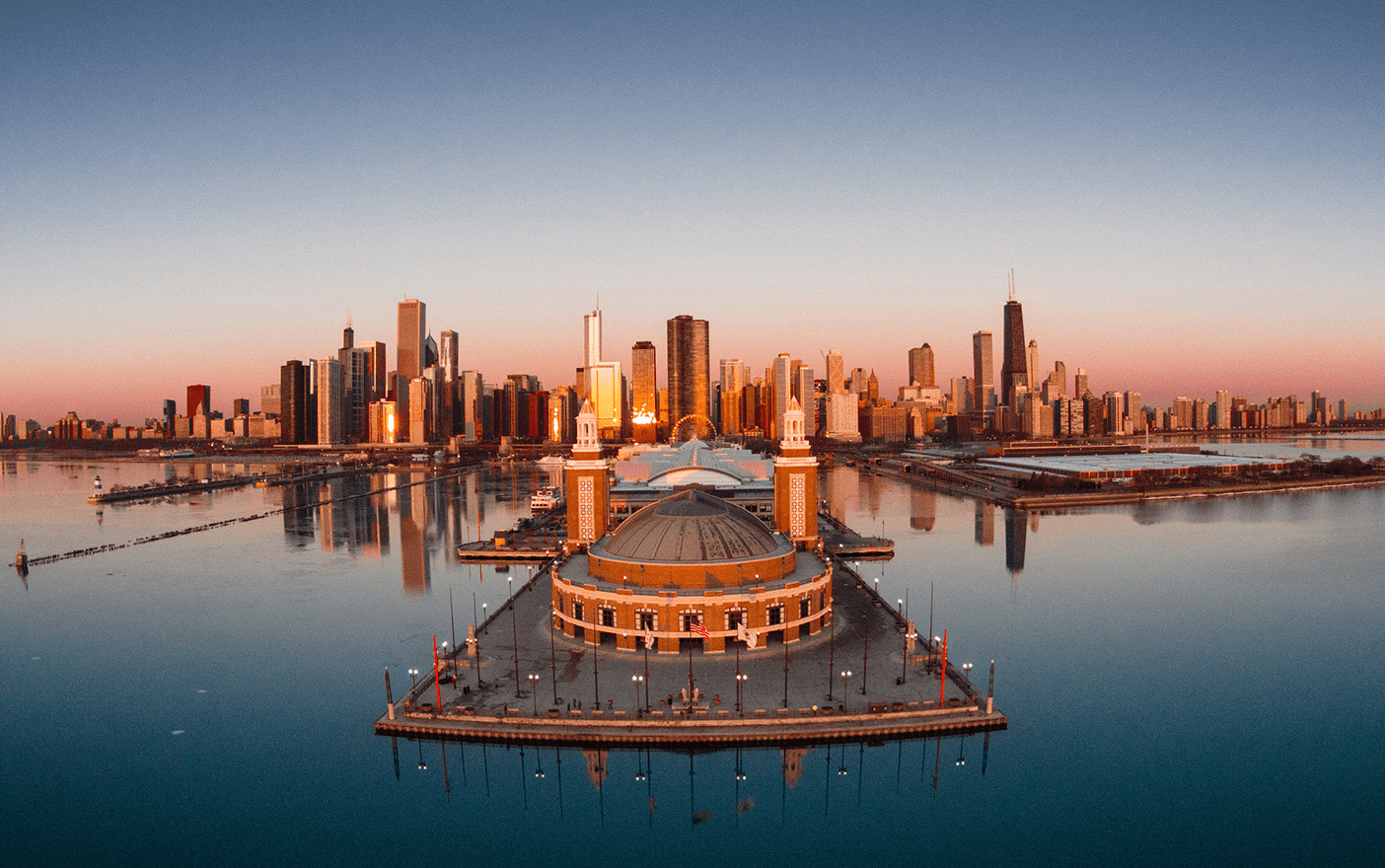
The huge waters of the lake also had a cooling effect on the city. They greatly influenced its climate, as a result of which Chicago got the name the Windy City.
In the 21st century, Lake Michigan remains important for Chicago. The lake plays a crucial role in providing Chicago and other American cities with drinking water. In addition, it is one of the most popular places for recreation and transportation. It also serves as a source of renewable energy. Since it is always very windy here, windmills were installed on its shores.
