

The city of Chicago in the 21st century is an extraordinarily dynamic metropolis, which is also known as the Windy City. It is situated on the shores of Lake Michigan and has historically been an epicenter for unstable weather conditions and disastrous climatic occurrences. Over the years, it has seen both heat and extremely cold and snowy winters, as well as heavy rains and unpredictable thunderstorms. As a result, the city of Chicago has a long history of meteorological observations. Find out more at chicagoname.
Historical origins of weather observation in Chicago
The history of weather observation and the creation of weather stations in Chicago dates back to the mid-19th century. Collecting weather data was vital for tracking climate models, predicting storms and studying meteorological phenomena.
When the city was transformed from a small trading post to a bustling city center in the mid-19th century, the Chicagoland Chamber of Commerce was established. One of the city’s first meteorological observatories was built on its roof. It collected valuable data such as temperature, wind direction and precipitation. This initiative was aimed at helping traders make informed decisions about commodity trading based on prevailing weather conditions.
The historic Great Chicago Fire of 1871 caused massive devastation to the city. It specifically destroyed the weather station located on the grounds of the Chicagoland Chamber of Commerce. Nonetheless, the fire served as a catalyst for breakthroughs in meteorological observation. As the city recovered, meteorological observatories were built in Chicago to collect meteorological data. Then the United States Weather Bureau, subsequently renamed the National Weather Service, was established. It has taken on a critical role in weather monitoring and forecasting, giving vital information to citizens and local authorities.
This is not to suggest that no meteorological observations were made in Chicago at the time. For example, at the beginning of the 19th century, the weather was monitored by weather amateurs. These individuals recorded the daytime temperature, precipitation, wind direction and other weather-related data. However, Chicago did not have a centralized weather station or an official monitoring system back then.
In addition to the Chicagoland Chamber of Commerce weather station, there were several stations in the city in the second half of the 19th century:
- 427 W Randolph Street
- 20 N Upper Wacker Dr
- in the Roanoke building (formerly the Major Block)
- in the Civic Opera House.
Weather observation in Chicago during the 20th century
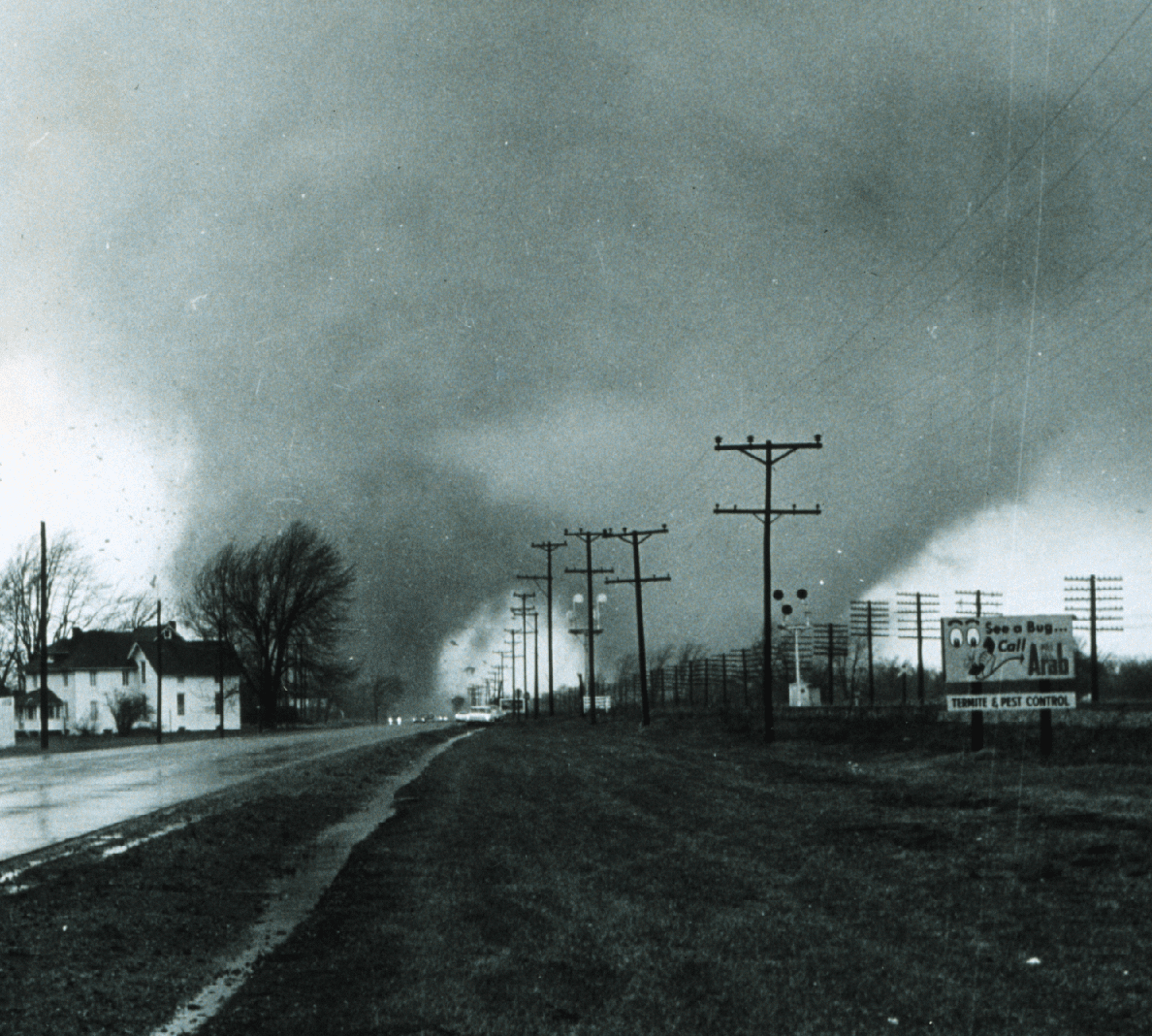
At the beginning of the 20th century, there were significant advances in meteorological technology. However, in addition to meteorological improvements, the city faced devastating natural disasters in the 20th century, such as tornadoes in 1965. This natural disaster prompted the development of a complex storm warning system. Furthermore, the introduction of aviation required accurate weather forecasting to ensure the safety of pilots and passengers. The establishment of O’Hare International Airport in 1944 emphasized the city’s need for modern meteorological systems. The airport’s meteorological station was opened shortly after that. Also during the 20th century, meteorological stations were established:
- at the US District Court, 219 S Dearborn St
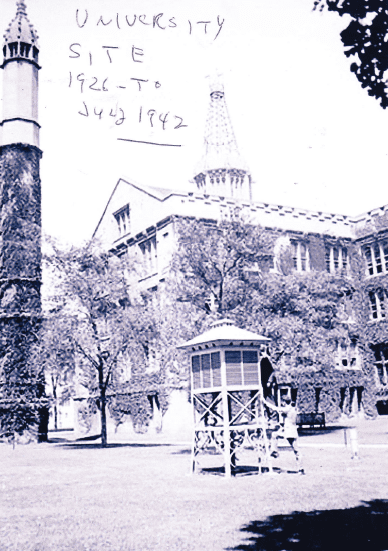
- at the University of Chicago, Rosenwald Hall, E 58th St between Woodlawn and University avenues
- in the South Terminal Building of Midway International Airport.
Chicago’s 20th century was marked by climatic change. Furthermore, the change got more and more evident throughout the 20th century, which presented further difficulties for Chicago’s meteorological observations. Meteorologists had to modify their methods due to rising average temperatures, more frequent periods of intense heat and altering precipitation patterns. Advanced satellite technology, computer simulations and data analysis have all become critical instruments for understanding and forecasting Chicago’s shifting climate.
In the 21st century, the National Weather Service operates several meteorological stations in and around Chicago. These stations are fitted with cutting-edge equipment and technologies to ensure reliable weather monitoring and reporting. The information gathered is used to produce weather forecasts, issue storm and other weather-related warnings and carry out climatological research.