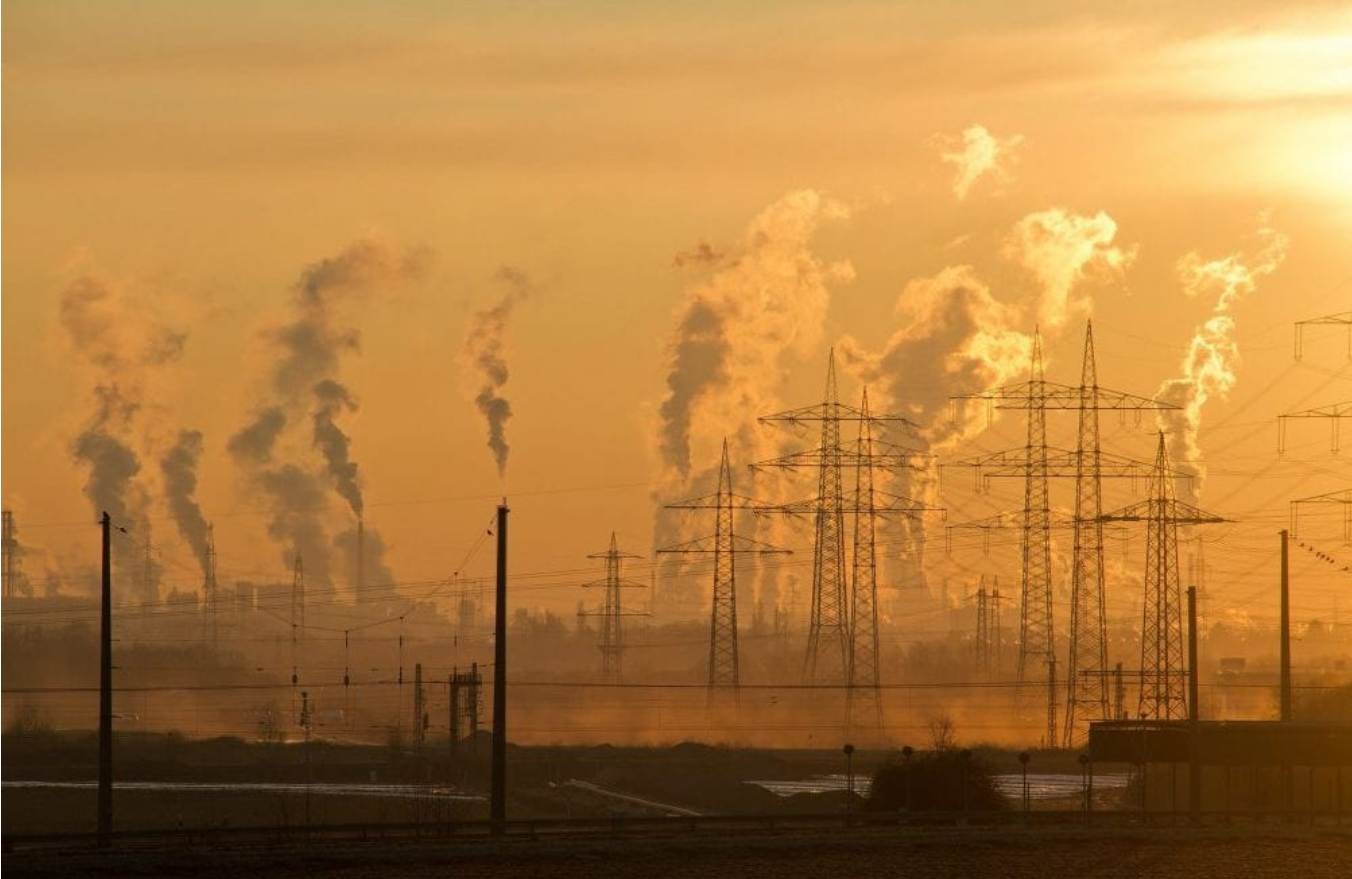
Chicago, as one of the largest cities in the US, faces significant challenges when it comes to air quality. Despite historical efforts to reduce pollution, the city continues to grapple with the consequences of industrialization, intense traffic, and climate change. Learn more about the history of Chicago’s oldest zoo — Lincoln Park. Read more on chicagoname.
City Challenges
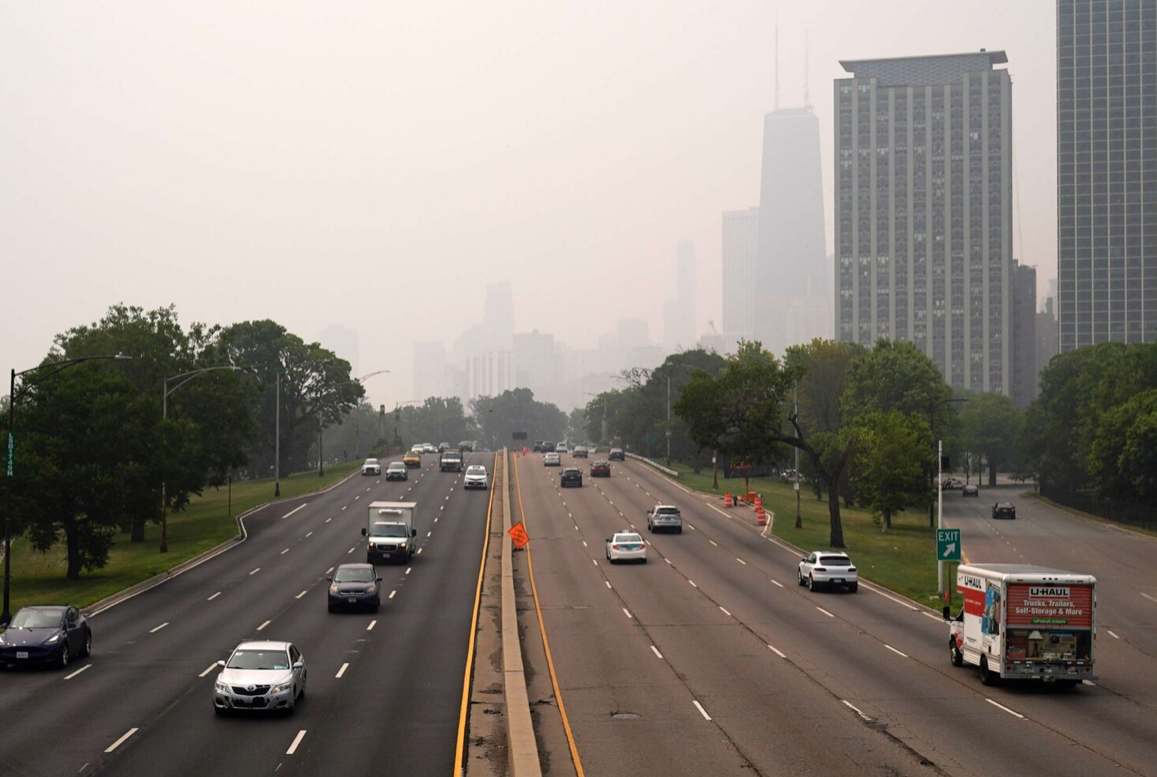
Chicago boasts an extensive network of highways that carry thousands of vehicles daily, as well as one of the world’s largest airports — O’Hare International Airport. This creates a significant burden on the city’s atmosphere. The main pollutants are nitrogen oxides, carbon monoxide, carbon dioxide, and fine particulate matter, which are released during fuel combustion in car engines and aviation turbines. PM2.5 is particularly dangerous because these particles can penetrate deep into the lungs and enter the bloodstream, leading to respiratory diseases, aggravated asthma, cardiovascular problems, and an increased risk of premature death.
Historically, Chicago developed as an industrial hub, and many industrial facilities continue to operate in the city, especially on the South and West sides. These areas are known for their concentration of industrial enterprises — metallurgical plants, warehouses, and logistics centers. They produce significant volumes of harmful emissions, including heavy metals, volatile organic compounds, and fine particulate matter. At the same time, these areas are often home to low-income residents and racial/ethnic minorities, raising the issue of environmental justice: residents of such communities more frequently suffer from asthma, cardiovascular diseases, and other health problems.
Chicago’s climate characteristics also impact air quality. For instance, during summer months, temperature inversions often occur — when warm air layers trap cooler layers near the ground, hindering vertical air circulation. In such conditions, pollutants, including ozone, vehicle emissions, and industrial discharges, remain concentrated near the ground, creating a “smog” effect. This is particularly dangerous during heatwaves, when the risk of heatstroke increases, and respiratory and cardiovascular diseases are exacerbated. The impact of inversions is compounded by the city’s dense development, which limits natural ventilation and intensifies the urban heat island effect.
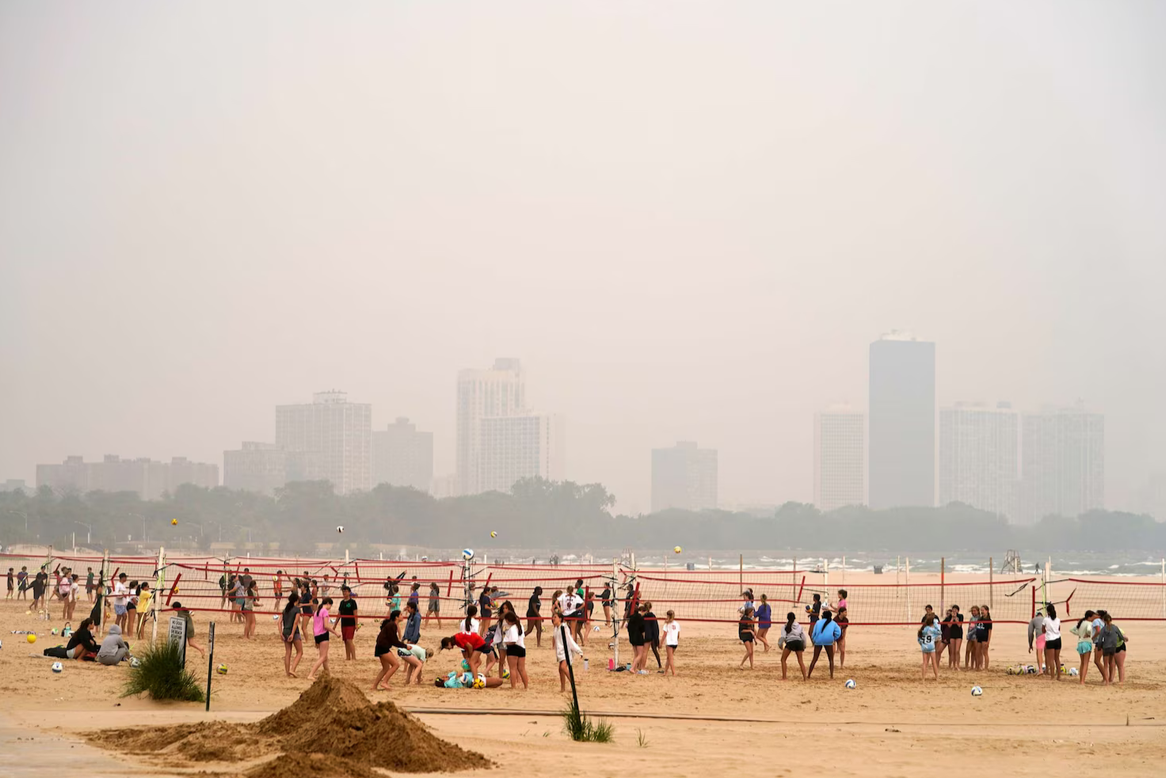
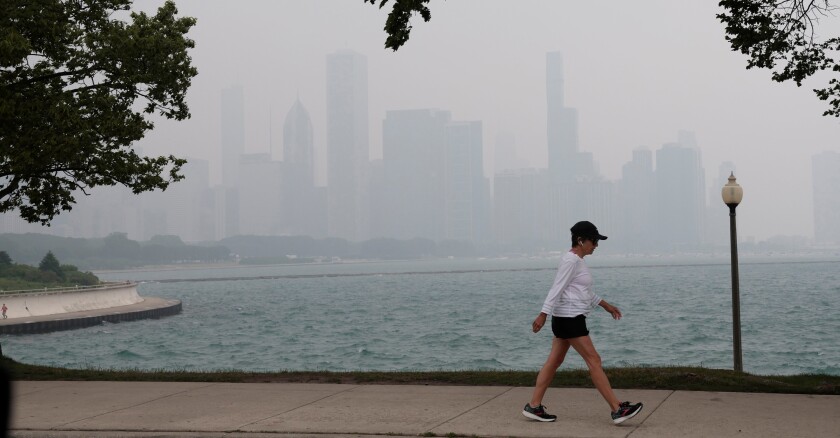
Chicago, despite its distance from the epicenters of wildfires, has repeatedly experienced their impact. Specifically, in the summer of 2023, smoke from large-scale wildfires in Canada brought dangerous levels of air pollution to the city. Such phenomena are becoming increasingly frequent due to climate change: the number of fires, their areas, and intensity are growing, which means an increased risk of smoke even in remote regions. Smoke from wildfires contains fine particulate matter, carbon monoxide, organic compounds, and other toxic substances that can provoke respiratory irritation, exacerbate chronic diseases, and increase the risk of strokes and heart attacks. Children, the elderly, and individuals with chronic illnesses are particularly vulnerable.
Consequences for Residents’ Health
Poor air quality in Chicago has a direct and long-term impact on the health of its residents. Pollutants such as fine particulate matter (PM2.5), ozone, nitrogen oxides, sulfur dioxide, and carbon monoxide can enter the body through the respiratory tract, causing a range of problems. The most common consequences are respiratory diseases: chronic bronchitis, exacerbated asthma, obstructive pulmonary diseases, and infectious diseases such as pneumonia. Studies show that even short-term exposure to high pollution levels can cause coughing, shortness of breath, and irritation of the eyes and throat.
The cardiovascular system also suffers from polluted air. Fine particles penetrate the bloodstream, increasing the risk of hypertension, arrhythmia, myocardial infarction, and stroke. Research by American cardiology associations indicates that prolonged exposure to air pollution significantly increases the risk of premature death from cardiovascular diseases. Children are particularly vulnerable because their lungs are still developing, and their immune system is less resistant to harmful substances. Children are more frequently diagnosed with asthma, allergies, and impaired lung development. The elderly are also at risk, as they may already have chronic diseases, and additional stress from air pollution can lead to the exacerbation of illnesses. A separate group consists of people with chronic conditions such as diabetes, cardiovascular problems, and oncological diseases — for them, the impact of air pollution can be especially dangerous.
The consequences of air pollution also have a socio-economic dimension: an increase in hospitalizations, frequent sick leaves, reduced productivity, and decreased life expectancy create additional pressure on the healthcare system and the city’s economy as a whole.
Solutions to the Problems
Chicago, as one of the largest cities in the US, is actively seeking ways to reduce air pollution and improve the quality of life for its residents. The city’s “Healthy Chicago 2025” program is a comprehensive plan aimed at reducing health disparities between different social groups and improving overall quality of life. An important part of the program is dedicated to improving the environmental situation, including reducing air pollution levels. The program aims not only to decrease harmful emissions but also to raise public awareness about the impact of air quality on health. Specific measures include: creating green spaces in highly polluted areas, modernizing urban infrastructure, and implementing educational programs for residents. Priority is given to areas inhabited by vulnerable social groups to ensure environmental justice.
Developing an air quality monitoring system is a crucial step for timely problem detection and response. Chicago is installing modern sensors that measure pollution levels in real time, including indicators of fine particulate matter (PM2.5), ozone, and nitrogen oxides. This information is available online, allowing residents to check the air quality in their area and take precautions — for example, limiting outdoor time during periods of high pollution or wearing masks. This approach also encourages the public to demand decisive action from local authorities to reduce pollution.
Chicago is actively developing infrastructure for electric vehicles, electric buses, and other low-emission transportation. The city is investing in expanding its network of charging stations, updating its public transport fleet by introducing electric buses, and incentivizing businesses and citizens to switch to environmentally friendly vehicles. In addition, efforts are underway to optimize traffic flow and develop cycling infrastructure, which helps reduce the number of cars on the roads and, consequently, lower harmful emissions. The transition to electric transport is an important step in reducing transportation pollution and creating a healthier urban environment.
Community Involvement
Active participation of Chicago residents in addressing air pollution issues is crucial. Citizens are involved in air quality monitoring initiatives, can install their own sensors, and participate in public meetings, petitions, and clean air campaigns. Volunteer programs help disseminate information about the harms of pollution and the importance of environmental responsibility. Furthermore, residents can influence local government decision-making by demanding stricter environmental standards for businesses and transportation. Such community involvement is not only a right but also a duty for everyone who wants to live in a clean and safe city.