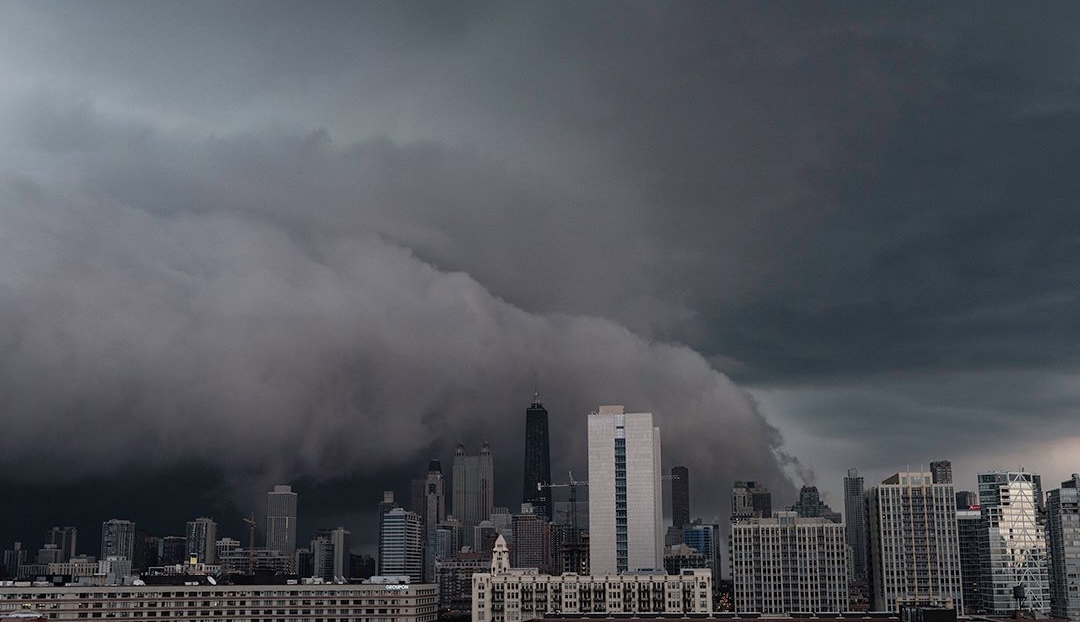
Chicago, one of the largest cities in the U.S., is grappling with significant challenges posed by climate change. Rising temperatures, worsening air quality, more frequent flooding, and other impacts of the climate crisis are forcing the city to find effective ways to adapt and reduce its environmental footprint. Discover the story of Cyrus McCormick—a Chicago farmer who invented the wheat reaper. Find out more at chicagoname.
The City’s Challenges
Chicago is increasingly experiencing the “urban heat island” effect, where temperatures in the city are several degrees higher than in surrounding rural or natural areas. This is due to high-density development, asphalt roads, building rooftops, and extensive concrete surfaces that absorb heat during the day and slowly release it at night. A lack of green spaces only exacerbates the problem, as trees and plants can cool the air through evaporation. This heat effect is especially dangerous during summer heatwaves when temperatures reach critical levels. It poses a threat to residents’ health, particularly the elderly, children, individuals with chronic illnesses, and those who work outdoors. Heatwaves can lead to dehydration, heatstroke, worsening cardiovascular conditions, and even premature death.
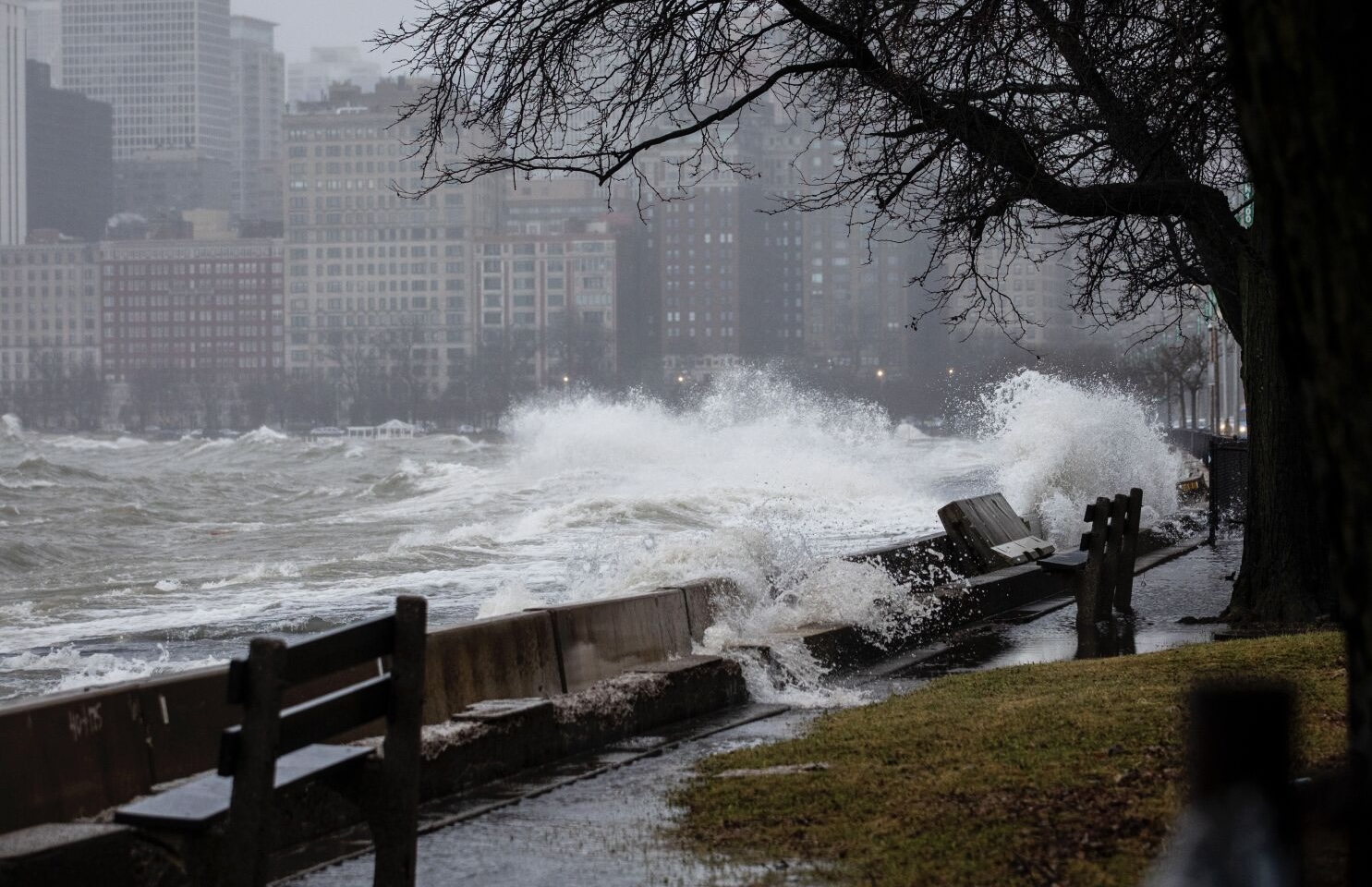
Intense rainfall, linked to climate change, is becoming more frequent in Chicago. The city often experiences powerful downpours that overwhelm its aging drainage system. Sewer systems, built decades ago, are not always able to handle such volumes of water, leading to flooding in streets, yards, basements of homes, and commercial properties. Floods damage urban infrastructure, cause economic losses, and negatively impact residents’ health, as contaminated water can contribute to the spread of infections and mold in buildings. These natural phenomena occur more frequently in low-income communities, raising issues of environmental justice.
Air pollution in Chicago is intensified by a combination of heavy traffic, industrial emissions, and rising temperatures. On warm days, especially in summer, smog forms under the influence of sunlight, containing ozone and fine particulate matter (PM2.5). This dangerous combination is particularly noticeable in areas with industrial facilities and major transportation hubs, such as highways and airports. High levels of air pollution lead to worsening resident health, increasing the risk of respiratory illnesses like asthma and chronic bronchitis, as well as cardiovascular diseases. Studies show that prolonged exposure to polluted air increases the risk of premature death, especially among children, the elderly, and people with weakened immune systems.
How Chicago Is Responding
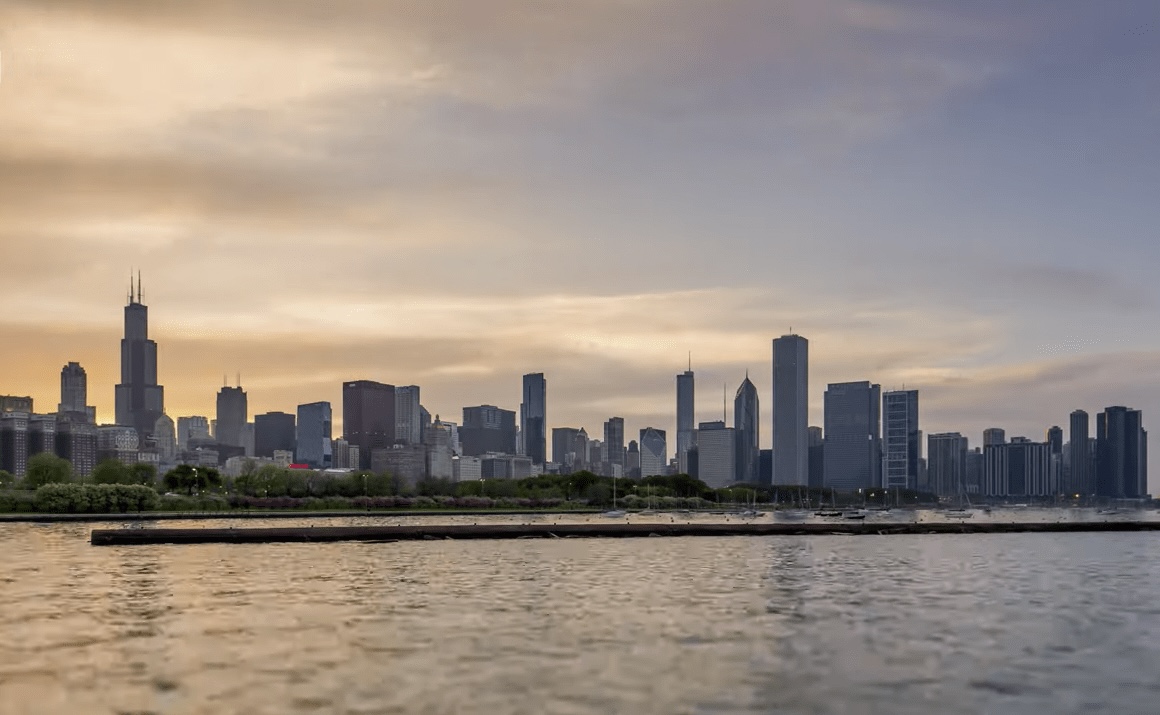
Chicago is actively implementing its Climate Action Plan—an ambitious strategy to reduce greenhouse gas emissions by 62% by 2040 compared to 2017 levels. The plan adopts a comprehensive approach: transitioning to renewable energy sources, developing public transportation, promoting electric vehicle use, increasing building energy efficiency, and reducing waste. The city pays special attention to adapting to climate change by modernizing infrastructure to withstand heavy rainfall, heatwaves, and other extreme weather events. Chicago aims to set an example for other U.S. cities, demonstrating that urbanization can be environmentally conscious and sustainable.
Developing green infrastructure is a key direction in Chicago’s fight against climate change. The city is actively creating new parks, developing public squares, planting trees along streets, and installing green roofs on public and commercial buildings. Green spaces not only improve the microclimate but also help combat heat, reducing the “urban heat island” effect. Additionally, trees and plants absorb carbon dioxide and clean the air of pollutants, while also reducing flood risks by retaining some rainwater during heavy precipitation. Through these initiatives, Chicago is becoming greener, more comfortable, and resilient to climate challenges.
A large portion of Chicago’s greenhouse gas emissions come from buildings, which is why the city is actively investing in their modernization. Energy efficiency programs include installing modern lighting systems, insulating facades, replacing windows, and installing energy-saving equipment for heating, air conditioning, and ventilation. Such measures reduce energy consumption, lower utility bills for residents, and cut carbon dioxide emissions. Chicago also encourages developers to adhere to green building standards, such as LEED, and implement innovative technologies like solar panels and rainwater harvesting systems.
Educational Programs and Community Engagement
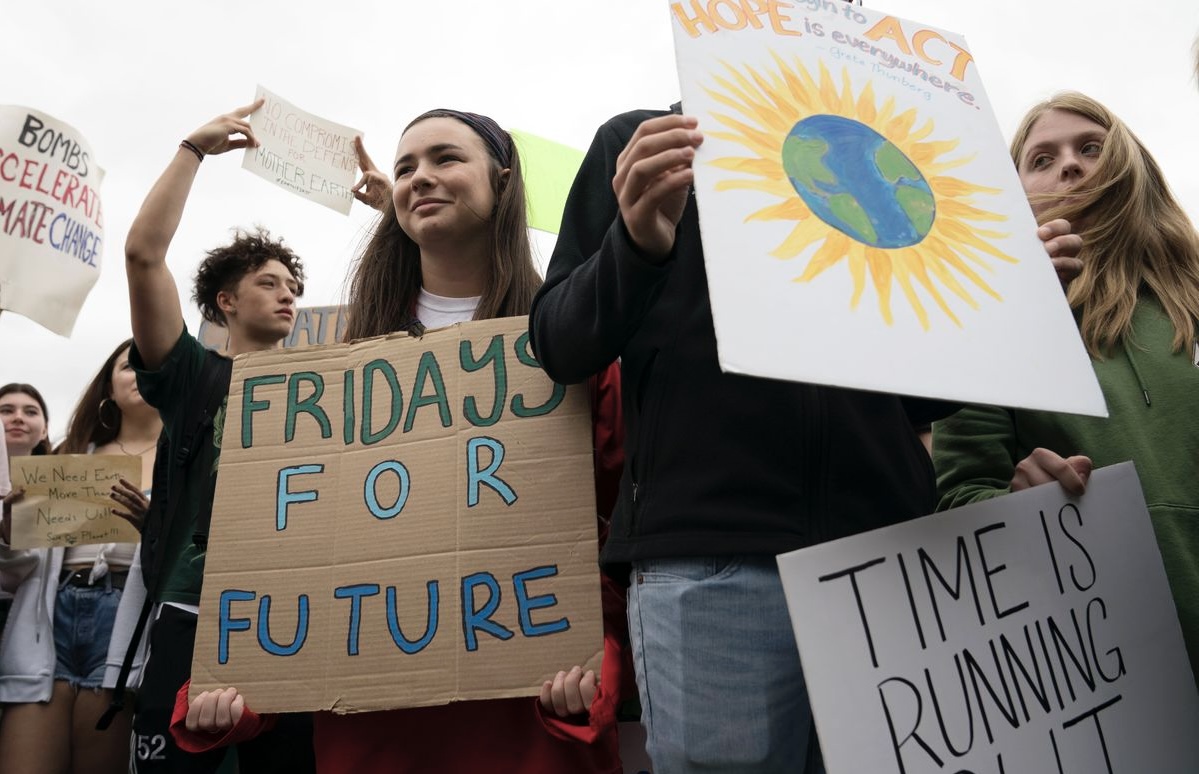
Chicago understands that success in combating climate change depends on active resident participation. The city conducts information campaigns, seminars, workshops, public discussions, and environmental events where people can learn more about climate change, its consequences, and ways to reduce their ecological footprint. Educational initiatives target all age groups—from school programs to adult courses. Special attention is given to engaging communities in air quality monitoring, participation in green projects, greening yards, and fostering an environmentally responsible culture. This allows Chicago residents to feel like part of an important mission: protecting the planet.
Chicago recognizes that global problems require global solutions, which is why the city actively collaborates with international organizations such as C40 Cities, which unites megacities worldwide striving for carbon neutrality. Chicago exchanges experiences, technologies, and successful practices with other cities, jointly working to develop strategies for climate change adaptation and greenhouse gas reduction. Such international coordination helps the city be part of a global movement for a clean future and leave a positive legacy for future generations.
Results of the Work
Chicago serves as an example of a city that doesn’t ignore climate threats but actively seeks ways to overcome them. Despite serious challenges—from extreme heat and floods to air pollution—the city is confidently moving forward, employing a comprehensive approach to the problem. Investments in green spaces and energy-efficient buildings, a shift to eco-friendly transportation, the implementation of innovative technologies, and community engagement through educational programs and volunteer initiatives—all of this allows Chicago not only to combat the consequences of climate change but also to build a model of a sustainable, comfortable, and healthy city of the future.
It’s particularly important that Chicago is actively working to ensure environmental benefits are accessible to all residents, regardless of social or economic status. The city strives for environmental justice, where everyone has the opportunity to live in a safe environment, breathe clean air, and not suffer from the consequences of global warming. Although the path to full carbon neutrality is still long, Chicago is already laying the groundwork for a future where sustainability and environmental stewardship are an integral part of urban life. This example deserves attention and emulation by other cities, as combating climate change is a challenge we can only overcome together, through joint efforts and persistent work.