

Chicago’s soil has taken a significant hit from industrialization, leaving it contaminated with heavy metals and other toxic substances. This poses serious environmental and social challenges for residents, impacting public health, food safety, urban gardening, and overall environmental quality. Want to learn more about Chicago’s natural and architectural gem? Check out Grant Park. Stay tuned for more on chicagoname.
Soil Contamination
Studies reveal that lead levels in the soil across many Chicago neighborhoods significantly exceed safe limits. The Heart of Chicago area, for instance, saw lead concentrations hit 3,700 ppm, more than nine times the previous federal standard of 400 ppm. In 2024, the U.S. Environmental Protection Agency (EPA) revised its safety threshold down to 200 ppm, acknowledging the heightened health risks, especially for children. Lead is a neurotoxin that can severely impair nervous system development and cognitive functions. Elevated lead levels are also common near old industrial sites, highways, railway hubs, and in areas with heavy traffic, where lead was historically used in fuel and paints.
Beyond lead, Chicago’s soil also shows elevated levels of mercury, arsenic, cadmium, zinc, polychlorinated biphenyls (PCBs), and polycyclic aromatic hydrocarbons (PAHs). For example, Brighton Park has reported mercury contamination, along with other compounds from industrial operations and material processing linked to electronics, chemical, and metal manufacturing. PAHs and PCBs are particularly dangerous as persistent pollutants that can accumulate in food chains, increasing the risk of cancer, hormonal disruptions, and reproductive issues.
Historical Pollution
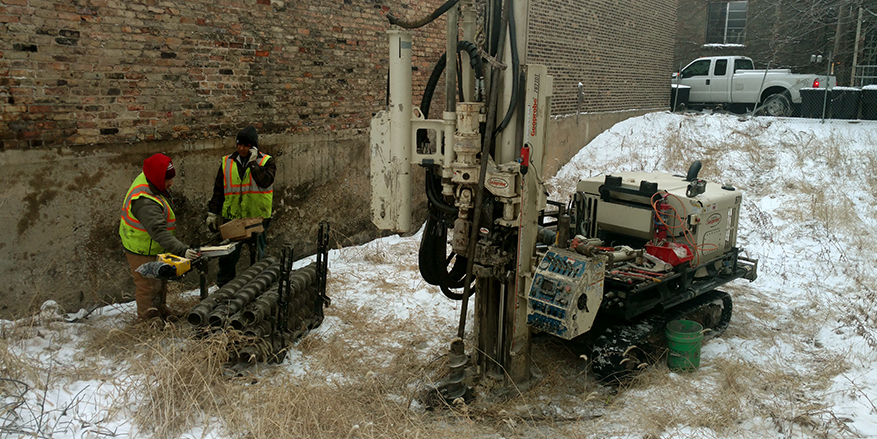
Some areas of Chicago remain contaminated from industrial activity dating back to the first half of the 20th century. DuSable Park, for example, still has radioactive residues like thorium, which was used in gas mantles and other industrial products. This type of contamination has long-term environmental impacts, as thorium and similar elements can persist in the soil for thousands of years. Many neighborhoods, including Little Village, Pilsen, and Pullman, were historically home to factories and landfills, leaving behind high levels of soil pollution.
Health Consequences
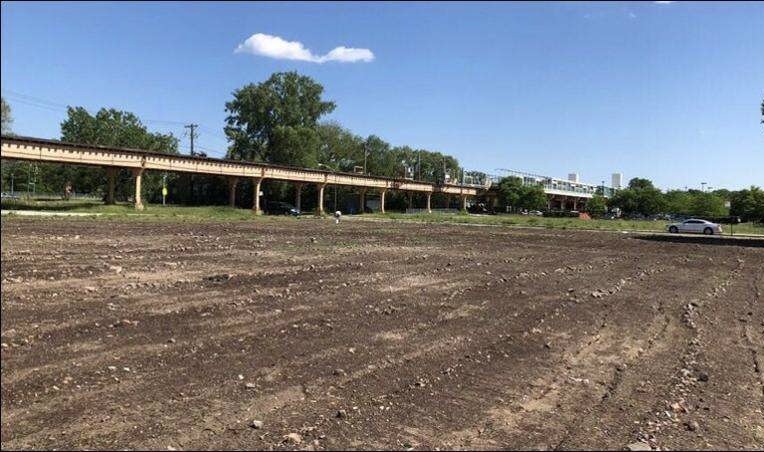
The impact of contaminated soil on the health of Chicago residents is significant and multifaceted. Soil contamination rarely involves just one toxic substance; it’s usually a complex mix of hazardous elements that interact to create even greater threats. Children are especially vulnerable to lead and other heavy metal poisoning. Their immune and nervous systems are still developing, so even minor chronic exposure to lead or arsenic can lead to developmental delays, speech impairments, reduced IQ, aggressive or impulsive behavior, hyperactivity, and learning difficulties. There’s also an increased risk of chronic illnesses, including anemia, vision and hearing problems, and cardiovascular diseases in later life. In many cases, the effects of lead poisoning are irreversible.
Soil contamination directly affects the city’s water quality. Toxic substances like lead, mercury, cadmium, arsenic, and PAHs can leach from the soil during rain or snowmelt, entering groundwater and surface water. This pollutes rivers and lakes, including the Chicago River, and impacts the drinking water supply. These chemicals can accumulate in aquatic plants, fish, and other aquatic organisms, posing an additional health threat to humans who consume these products.
Highly contaminated soil limits the growth of urban gardening, a vital component of urban food security. Many Chicago residents grow vegetables and fruits in their backyards, community gardens, or on rooftops. However, soil contamination raises serious concerns about the safety of this produce. Toxins can enter grown vegetables, especially root crops (carrots, beets), leafy greens (spinach, lettuce), and even fruits like tomatoes or cucumbers. This creates a risk of chronic poisoning for families consuming such produce, especially if the soil isn’t tested or protective measures like raised beds or barrier materials aren’t used.
Polluted soil also negatively impacts the city’s biodiversity. Plants struggle to grow or accumulate toxins, hindering the development of green spaces. Contaminated soil becomes uninhabitable for microorganisms, insects, and other creatures essential for natural ecosystem functioning. This worsens soil erosion, reduces fertility, and diminishes its ability to absorb carbon, which is crucial for combating climate change.
Urban Gardening
In neighborhoods like Pilsen, residents are actively involved in urban gardening. However, high lead levels in the soil pose a serious threat to the safety of homegrown produce. Children playing in such gardens are at risk of lead poisoning through contact with contaminated soil. Residents in highly polluted areas like Englewood and Roseland often experience anxiety and stress due to environmental concerns. This can lead to social isolation, decreased property values, and limited investment in these areas.
Soil contamination also negatively affects the city’s biodiversity. Areas with high levels of pollution see a decline in beneficial microorganisms, insects, and other creatures vital for natural ecosystem functioning. This exacerbates soil erosion and reduces soil fertility.
Solutions
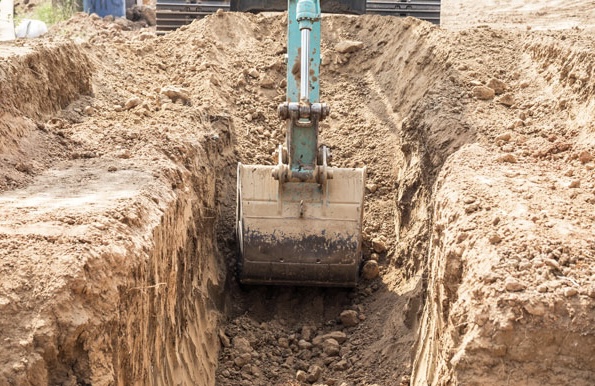
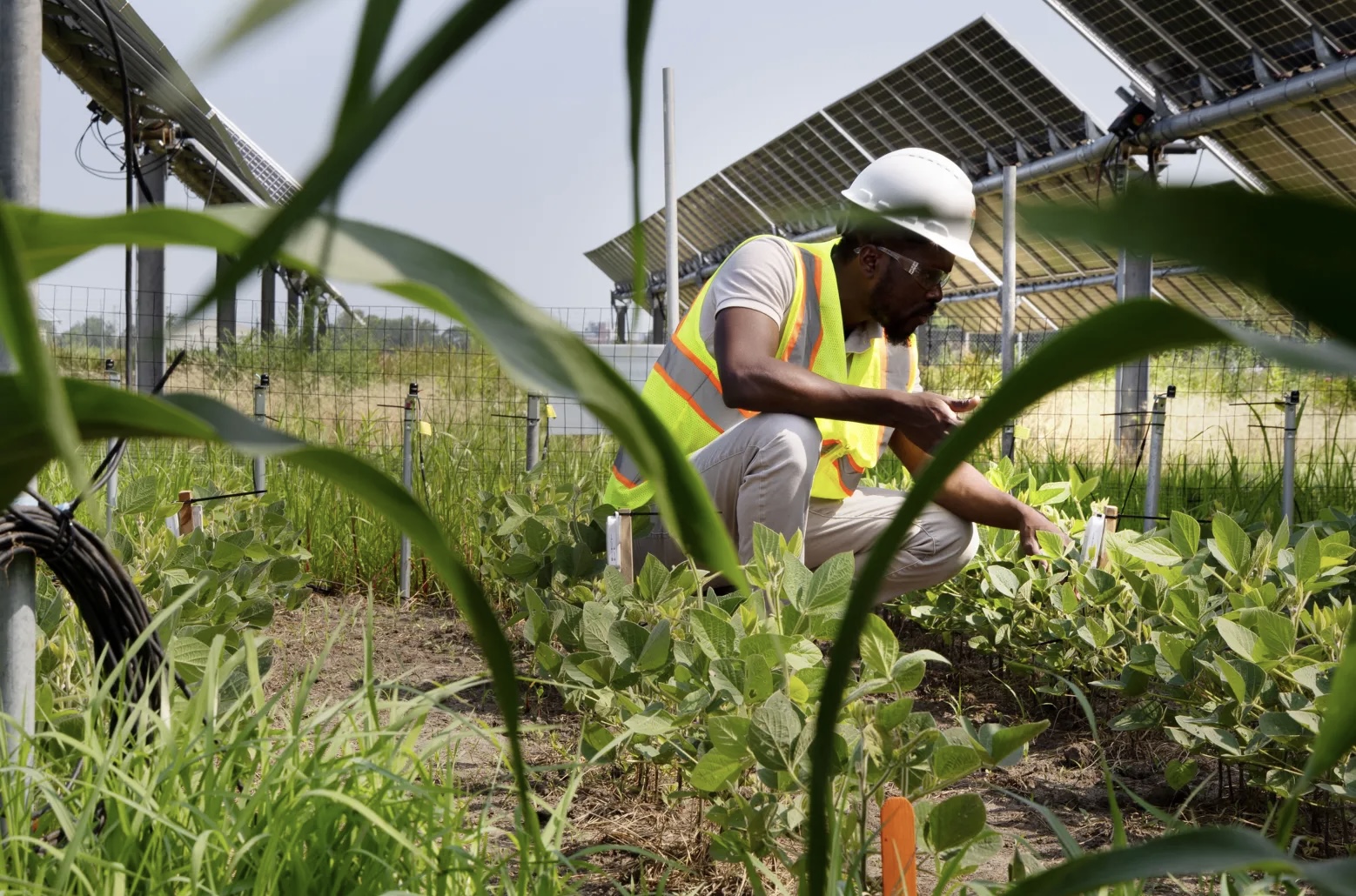
Soil remediation is crucial. This involves cleaning up contaminated areas using physical, chemical, or biological methods, including removing polluted soil, applying sorbents, and phytoremediation (using plants like willows or sunflowers to clean the soil). Soil testing is also important: local organizations and municipal services encourage residents to test their garden soil for toxic substances to identify problems early. Training for residents on safe urban gardening practices, including the use of raised beds and adding clean soil or compost, is essential. Furthermore, robust government programs and funding are needed for large-scale cleanup efforts, especially in high-risk contamination zones.
The state of Chicago’s soil is a complex environmental issue that demands a systemic approach and collaboration among government, community organizations, scientists, and residents. Only comprehensive measures like soil cleanup, public awareness campaigns, regulatory development, and support for urban gardening will ensure Chicago’s soil is safe for living and sustainable development.