

Despite its urban landscape, Chicago is home to a significant number of poisonous plants that can pose a threat to city residents, especially children and pets. These plants can be found in natural areas, urban parks, gardens, and even residential properties. Discover Millennium Park – a natural oasis in the heart of the city. Read more on chicagoname.
Poison Ivy
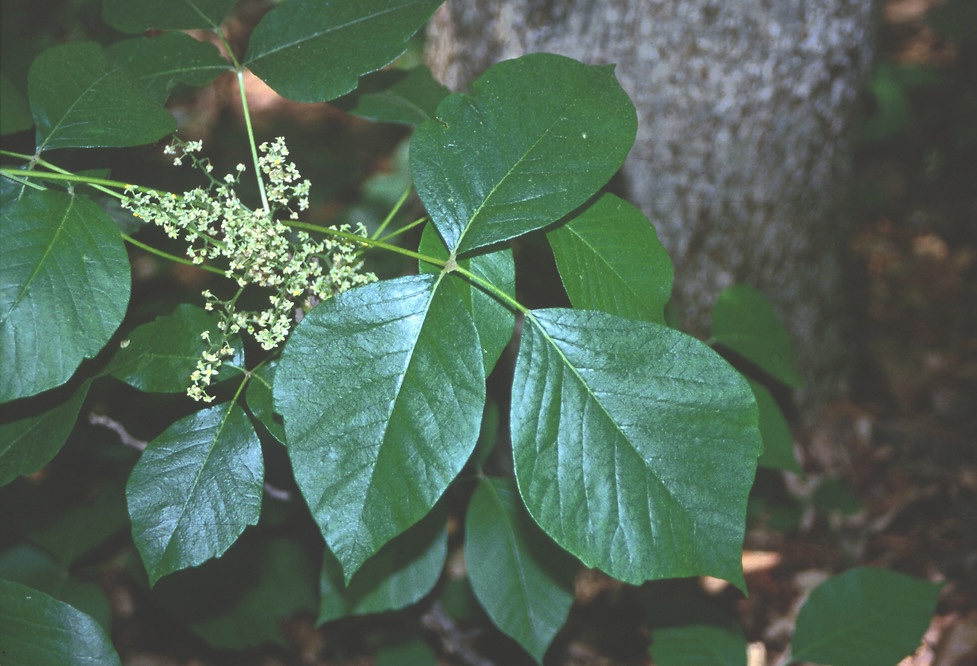
Poison ivy (Toxicodendron radicans) is one of the most common and dangerous poisonous plants in Chicago and North America. This plant, known by the folk rule “leaves of three, let it be,” can cause serious health problems even with minor contact.
Poison ivy is a perennial shrub or vine that often grows along trails, in parks, along riverbanks, and even in urban areas. Its distinctive feature is its leaves, which can have a shiny surface, especially in summer. In autumn, the leaves often change color to red or orange. The main danger lies in a substance called urushiol — an oil found in the plant’s leaves, stems, and roots. Even brief contact with urushiol can cause itchy rashes, swelling, redness, blisters, and sometimes a severe allergic reaction.
About 85% of people are allergic to urushiol. It’s particularly dangerous when plant particles get on clothing, tools, or animal fur, as urushiol remains active for years.
Poison Hemlock
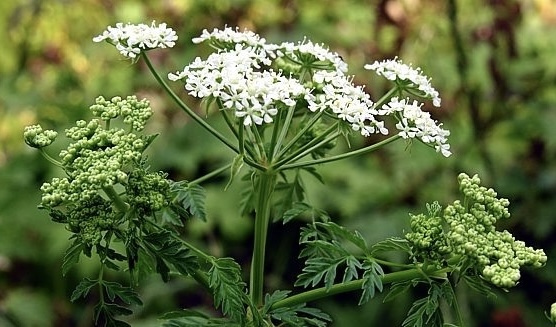
This is one of the most dangerous poisonous plants growing in and around Chicago. This plant is historically infamous as “Socrates’ herb,” as a hemlock concoction was used for the ancient Greek philosopher’s execution.
Poison hemlock is a tall (up to 6-10 feet) biennial herbaceous plant. It has a hollow stem with purple or reddish-purple spots — a key identification marker. Hemlock is easily confused with edible plants like carrots, parsnips, and parsley.
All parts of the plant, especially the seeds and roots, contain the deadly toxin coniine. Even a small amount of this substance can lead to nausea, vomiting, salivation, dizziness, muscle weakness, paralysis (including respiratory muscles), or death due to respiratory arrest.
Where does poison hemlock grow in Chicago?
- Along roads, railroads, and fences;
- In vacant lots and neglected areas;
- In urban parks, such as Humboldt Park and Jackson Park;
- Near bodies of water like the Chicago River and Des Plaines River.
Pokeweed
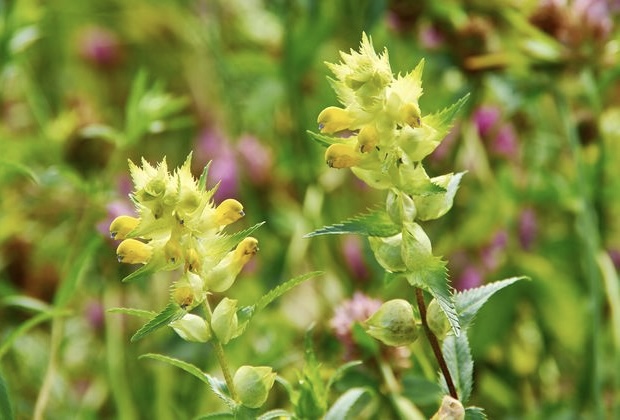
This perennial plant easily catches the eye with its exotic appearance: bright green leaves, reddish-purple stems, and shiny dark purple berries. But this beauty is deceptive, as all parts of pokeweed contain toxins dangerous to humans and animals.
Pokeweed is a tall plant that can reach 5-10 feet in height. Key characteristics include:
- Large oval leaves up to 12 inches long;
- Reddish or purple stems, especially noticeable in mature plants;
- Clusters of shiny black or dark purple berries that appear in late summer and autumn.
The plant contains toxins — phytolaccine and other saponins — that affect the gastrointestinal tract, heart, and nervous system. Even 1-2 berries can cause poisoning in a child.
Buttercup
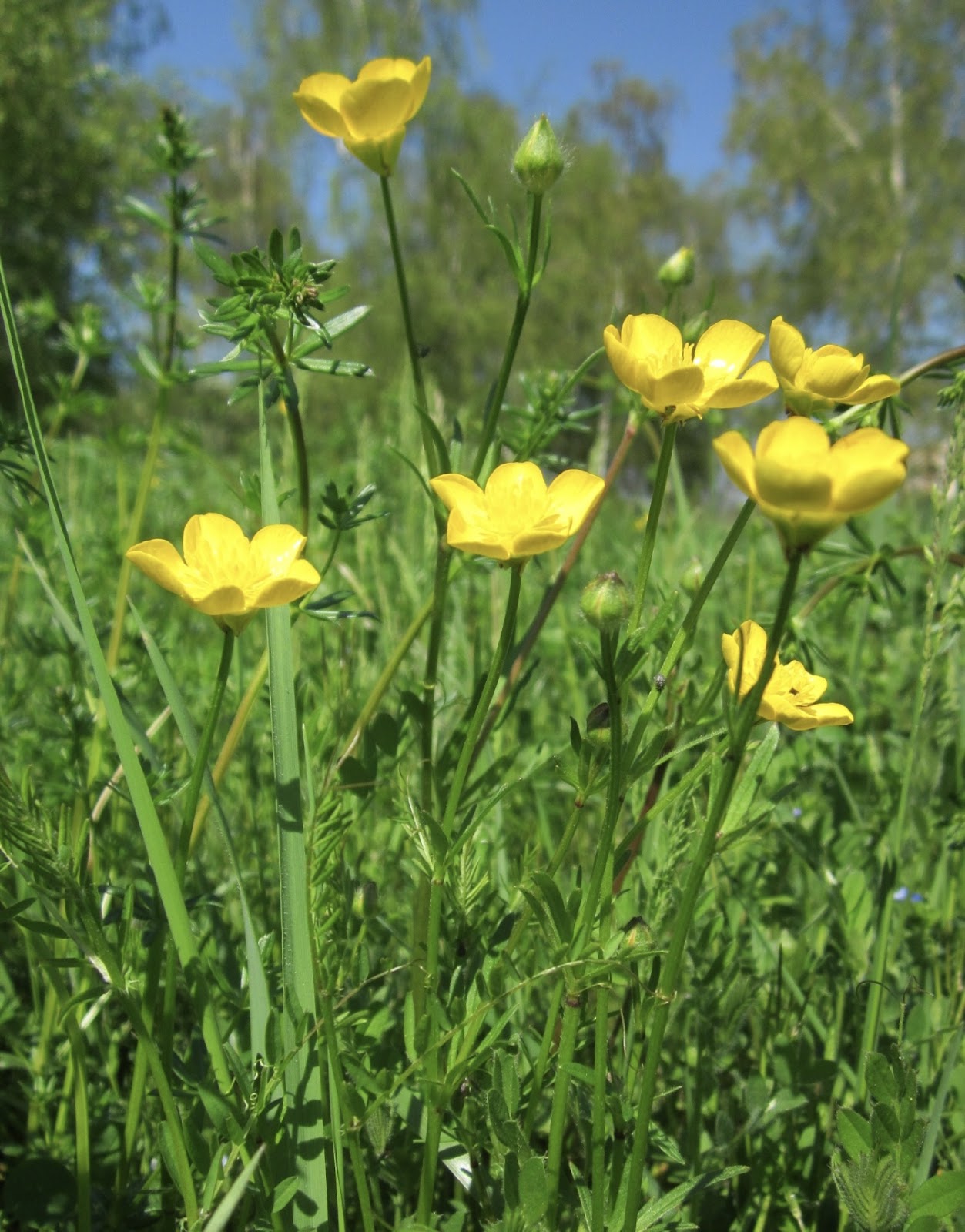
This bright yellow flower is often found in Chicago’s urban parks, meadows, and fields. But beneath its beauty lies danger: the plant contains toxic substances that can harm both people and animals.
Buttercup is a perennial herbaceous plant, reaching heights of up to 20-28 inches. Key characteristics include:
- Bright yellow flowers up to 1 inch in diameter with five petals that shimmer in the sun;
- Deeply lobed leaves with a distinctive shape (resembling “paws”);
- Stems that can feel somewhat rigid to the touch.
The plant often forms entire carpets in meadows, along roadsides, and in urban parks. Buttercup contains the toxic substance protoanemonin, which is released when the plant is damaged (e.g., by picking or crushing).
Common poisoning symptoms include:
- Skin redness and irritation upon contact;
- Pain, burning, and blisters on the skin (especially with prolonged contact);
- If sap gets on mucous membranes or into the stomach — nausea, vomiting, diarrhea, stomach cramps;
- Poisoning cases are usually mild, but large amounts of the toxin can lead to serious consequences, including nervous system disorders.
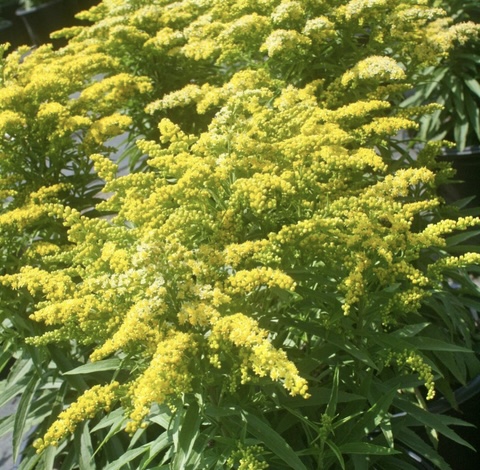
Goldenrod
This popular plant in Chicago and many parts of North America is known for its bright yellow blooms that transform autumn landscapes into golden carpets. However, few realize that some goldenrod species can be dangerous, especially for people with sensitive skin or allergies.
What does goldenrod look like?
- A tall plant (3-6 feet high) with numerous narrow leaves;
- Its flower clusters are lush plumes of small, bright yellow flowers that appear in late summer and autumn;
- Often grows in dense thickets along roads, in meadows, parks, and near water bodies.
Goldenrod isn’t as highly poisonous as poison ivy or hemlock, but it contains substances that can cause allergic reactions and breathing problems in highly sensitive individuals. Ingesting large quantities (raw leaves or flowers) can also lead to nausea, diarrhea, vomiting, and stomach irritation.
Goldenrod is often mistakenly blamed for allergies, when in fact, most allergic reactions are caused by ragweed, which blooms at the same time.
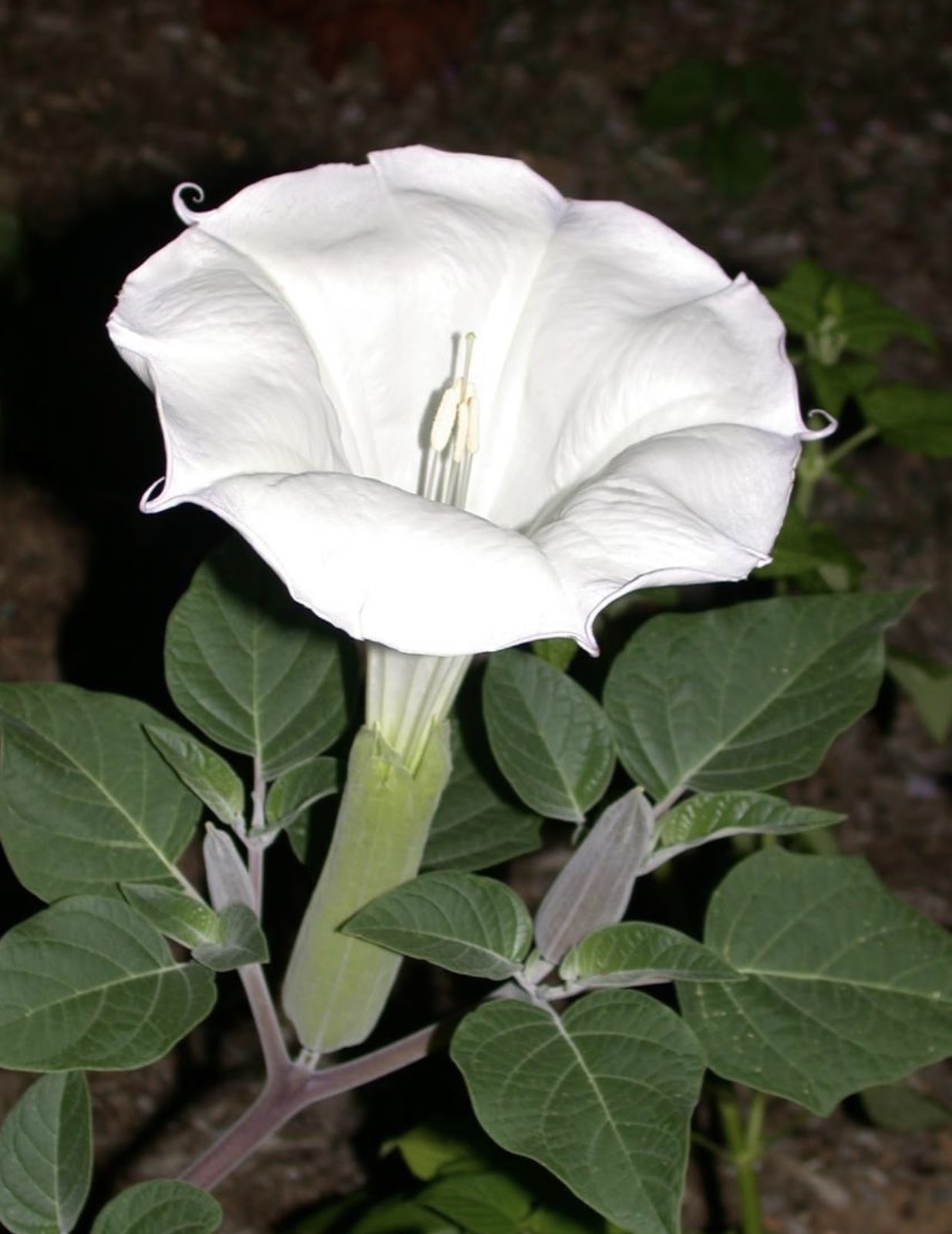
Jimsonweed
This is one of the most dangerous plants found in Chicago and other regions of the United States. Its large flowers and striking fruit are attractive, but behind this beauty lies a serious danger: all parts of jimsonweed contain toxins.
What does jimsonweed look like?
- A tall plant (up to 5 feet high);
- Its flowers are large, trumpet-shaped, white or purple, resembling bells that open at night or in the evening;
- The fruit are spiky capsules, resembling “hedgehogs,” containing a large number of black seeds;
- The leaves are large, dark green, with uneven edges, and have an unpleasant smell when crushed.
All parts of the plant (especially the seeds) contain alkaloids: atropine, scopolamine, and hyoscyamine. Even a small dose of these substances can cause severe poisoning or death.
Symptoms of poisoning include:
- Severe pupil dilation, blurred vision;
- Dry mouth, difficulty swallowing;
- Hallucinations, delirium, confusion;
- Increased heart rate, elevated temperature;
- Seizures, loss of consciousness, and respiratory arrest in severe cases.
White Snakeroot
This innocent-looking plant with delicate white flowers often grows in forests, meadows, along roads, and even in abandoned areas. However, behind its gentle appearance hides a danger that everyone should be aware of.
The main danger of white snakeroot lies in the presence of tremetol — an organic compound that is a potent toxin. Tremetol accumulates in all parts of the plant, especially in the leaves and stems. Its danger is that poisoning can occur not only from direct ingestion by humans but also indirectly — through the consumption of animal products.
When consuming contaminated products or parts of the plant itself, people may experience symptoms such as:
- Headaches, weakness, dizziness;
- Nausea, vomiting, stomach pain;
- Body tremors, convulsions;
- Irregular heartbeat;
- In severe cases, death.
White snakeroot is an example of how nature can hide danger beneath delicate beauty. Knowing its properties, poisoning symptoms, and prevention methods will help protect yourself and your loved ones from a serious health threat.