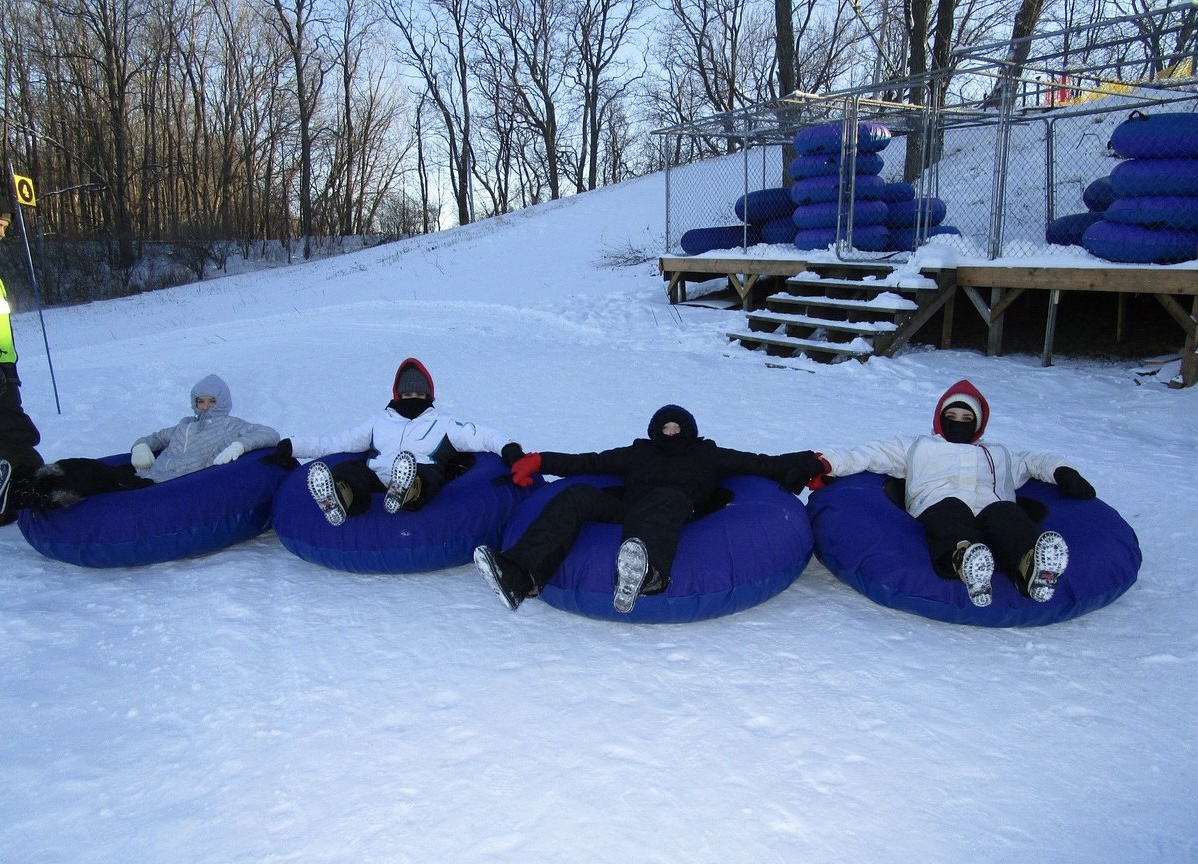
Raging Buffalo Snowboard & Ski Park, a unique winter sports destination, was located in Algonquin, Illinois. It became famous for its artificial hill and its focus on snowboarding. Raging Buffalo Snowboard Park truly became a legend among snowboarding enthusiasts in the United States. Its story began in 1993, when it opened as the world’s first specialized snowboard park, created exclusively for snowboarders. Learn about river pollution in Chicago and its impact on the city’s environment. More at chicagoname.
History of the Hill and the Park
Raging Buffalo Snowboard Park holds a unique place in snowboarding history as the world’s first specialized park exclusively for snowboarders. Founded in 1993, the park quickly gained popularity among local athletes and extreme sports enthusiasts. At that time, snowboarding was just taking off, and most traditional ski resorts still didn’t allow snowboarders on their slopes. The park’s name, Raging Buffalo, was inspired by the American rock band “The Raging Buffalo” and their song of the same name. The owners wanted the name to symbolize the energy, drive, and spirit of freedom inherent in snowboarding.
The park’s infrastructure was designed with snowboarders’ needs in mind and remained unique for its time. It featured two surface lifts—a reliable and cost-effective solution for a compact slope—as well as a “magic carpet,” a special conveyor belt for children and beginners, offering a safe and convenient way to get to the top.
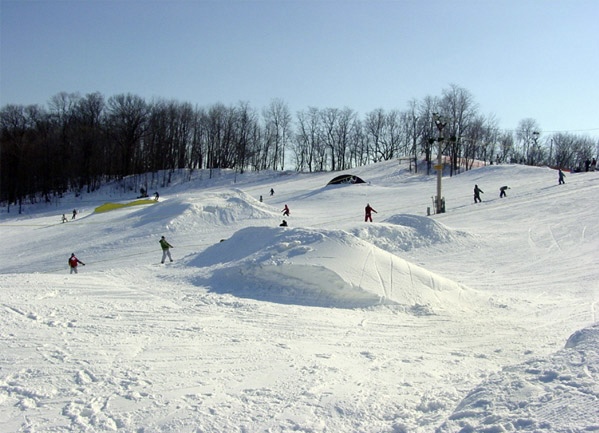
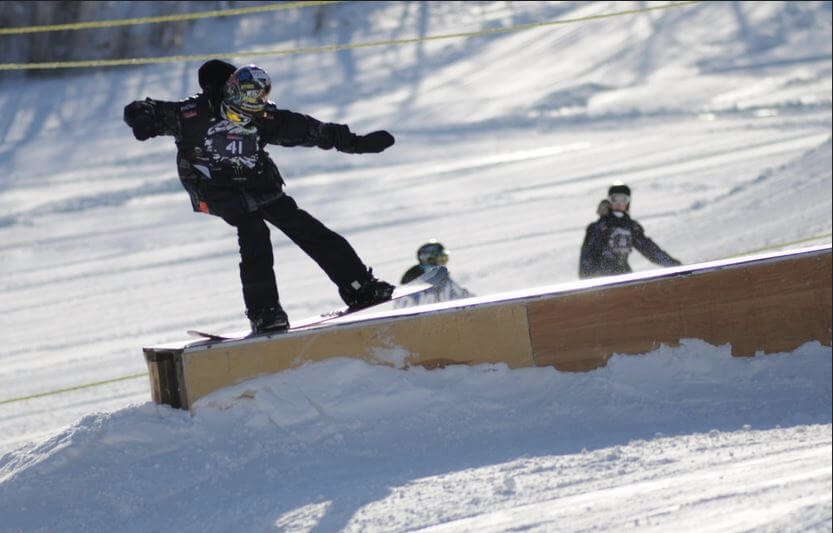
Raging Buffalo boasted several trails of varying difficulty, accommodating both beginners and experienced riders. Beyond typical runs, a standout feature was its two halfpipes, which met international standards of the era. The park also continuously updated and rebuilt its jumps and rails, ensuring a diverse offering for freestyle and jibbing. More than just a place to ride, the park was a true hub for the local snowboarding community. It regularly hosted regional competitions, qualifying rounds for national US championships, as well as snowboarding festivals, night rides, and themed parties.
An Engineering Marvel
Given the predominantly flat terrain around Chicago, creating conditions for winter sports demanded unconventional solutions. This led to the ingenious idea of building an artificial mountain—an engineering project that compensated for the lack of natural elevation.
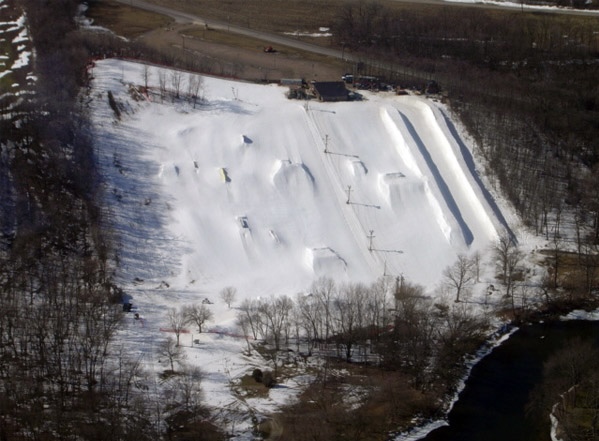
Raging Buffalo Snowboard Park stands as a prime example of this vision brought to life. It was one of the first snowboard parks in the US specifically designed for snowboarders and skiers. To provide the necessary vertical drop for its trails, an artificial hill was constructed on flat land. Engineers moved thousands of tons of soil, creating a slope with a sufficient incline for safe and exciting riding. This approach made it possible to establish a full-fledged winter resort where it seemed impossible.
In 2018, as part of the park’s expansion, approximately 30 feet of height were added using soil from the construction of Longmeadow Parkway, a major road project. This not only provided a way to repurpose excess soil but also enhanced the park’s capabilities, allowing for more challenging and extended runs. Beyond the technical aspect, the expansion included upgrading the park’s infrastructure. A new lodge was built, serving as a central hub for visitors with cozy lounge areas, a cafe, and equipment rental. This made Raging Buffalo even more appealing for family outings and athlete training.
The artificial mountain is a testament to how engineering solutions can overcome natural limitations and create opportunities for active recreation even where the landscape doesn’t naturally support it. Such projects are becoming crucial elements in developing recreational infrastructure in regions lacking natural conditions for mountain sports.
Innovative Learning Programs
One of the park’s most interesting and progressive features was its learning program. Snowboarding lessons were offered even for children as young as 3, which was groundbreaking in the 1990s. This established Raging Buffalo as a family-friendly destination, where young parents could instill a love for winter sports in their children from a very early age. The park’s instructors were experienced in working with young athletes, ensuring safe and effective lessons.
Beyond the sports aspect, the park actively fostered its community, hosting local competitions, themed parties, and snowboarding festivals that drew hundreds of participants and spectators. This way, Raging Buffalo became more than just a place to ride; it was a true center of snowboarding culture in the region. Raging Buffalo Snowboard Park’s story is about how an idea to create a specialized space for snowboarders evolved into an iconic venue that left its mark on the development of extreme sports in the US.
Park Closure
In 2019, after 26 successful years, Raging Buffalo Snowboard Park announced its closure. This decision shocked the local community, as the park was not just a sports facility but also a significant part of the region’s cultural life. For many years, it served as a place for training, competitions, gatherings of like-minded individuals, and family recreation.
Among the main reasons cited for the closure were climate changes—winters became warmer and shorter, significantly impacting the ability to maintain sufficient snow cover. Even with snow guns, the cost of producing artificial snow dramatically increased, and natural weather conditions became less favorable for the park’s stable operation. Another factor was declining attendance, linked to shifts in consumer behavior. Young people were increasingly interested in other activities, including different extreme sports and online entertainment. Furthermore, rising maintenance costs and competition from larger resorts created financial pressure on Raging Buffalo’s business model. A crucial circumstance was also the expiration of the land lease where the park was located. Despite numerous attempts to secure a new agreement, negotiations with the property owners failed, putting a final end to the park’s history.
Interestingly, before its closure, the park had ambitious plans for expansion and modernization. These included increasing slope area, upgrading lifts, expanding educational programs, and even the potential creation of a summer mountain bike park. However, these projects remained unrealized due to financial and legal complexities.
After its closure, Raging Buffalo left behind a vibrant legacy. For many riders, it was the place where they first tried snowboarding, learned tricks, made friends, and created unforgettable memories. The community still remembers the park fondly and with nostalgia, and its closure symbolizes how climate change and market conditions can impact the fate of even such iconic places.