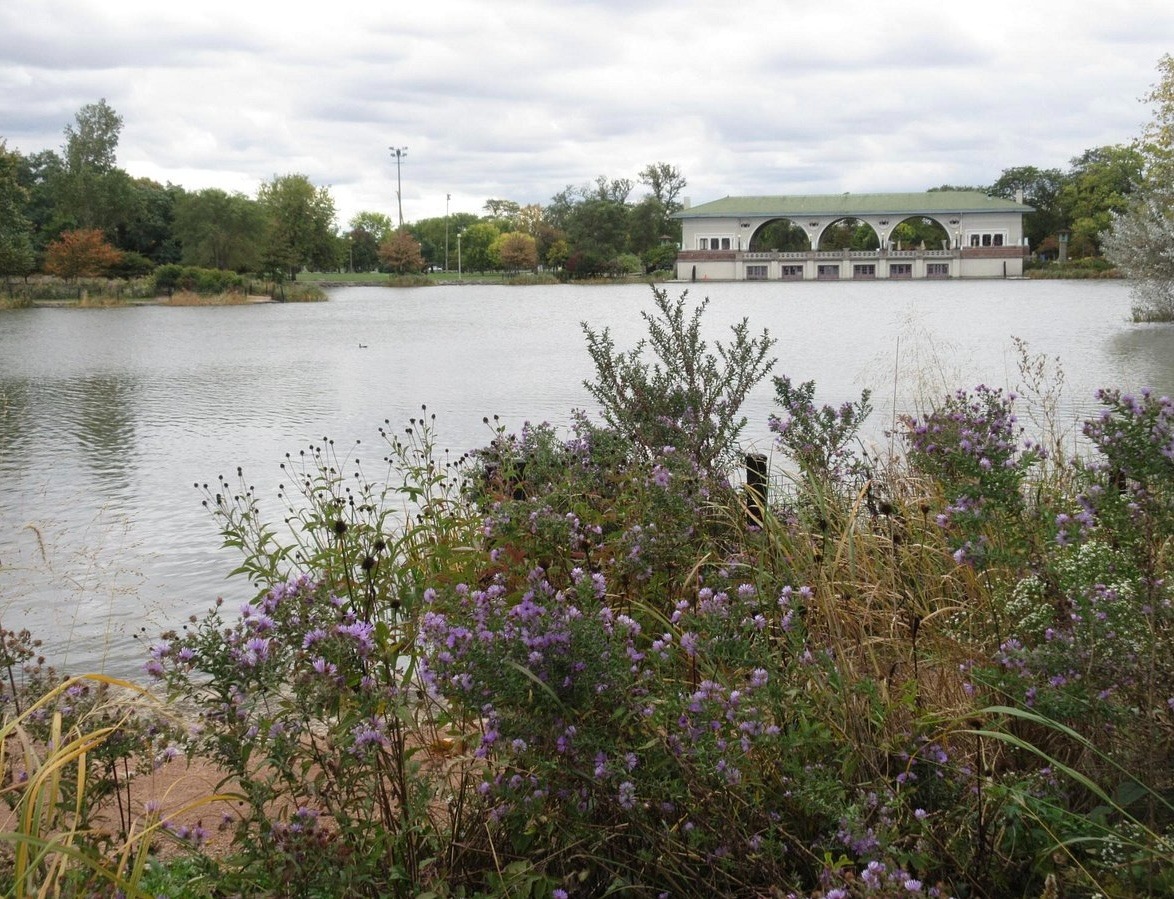
One of Chicago’s most famous and beautiful parks, it has become not just a model of landscape architecture but also a place where the history, culture, and art of various communities intertwine. From its 19th-century origins to its 21st-century renovations, the park preserves a spirit of openness, creativity, and mutual respect. More at chicagoname.
The Park’s Origins
Humboldt Park’s story began in the 1870s when architect William Le Baron Jenney set out to transform flat prairies into a picturesque park with horse trails and lagoons. It was originally named “North Park” and officially opened in 1877.
After the area was annexed by Chicago in 1869, it began to develop rapidly. Scandinavians, Jews, Germans, Italians, and Poles settled here, followed later by Puerto Ricans, Cubans, Mexicans, and African Americans. This ethnic mosaic created the neighborhood’s unique character, which evolved from one decade to the next. Humboldt Park received its name in honor of Alexander von Humboldt, a German naturalist considered one of the first researchers of climate change and the “father of ecology.” His statue was installed in the park in 1892.
In the early 20th century, the renowned landscape architect Jens Jensen radically updated the space: he connected the two lagoons to the river and created a rose garden, a music pavilion, and a boathouse. It was Jensen who gave the park its unique style—a harmonious blend of nature and architecture.
In 2018, the park underwent a massive renovation. The Chicago Park District, in partnership with the Chicago Parks Foundation and the Garden Conservancy, restored Jens Jensen’s garden, updated the infrastructure, and revived the natural landscape. For this work, the park received the 2018 Jens Jensen Award from the American Society of Landscape Architects.
In the past, Humboldt Park was an important cultural center for the Polish community. The Polish Constitution Day parade ended here, and a statue of Tadeusz Kościuszko stood in the park’s center until it was moved in 1981 to Solidarity Promenade near the museums on the lakefront. Ignacy Paderewski, the famous Polish pianist and statesman, also spoke here, appealing to the Chicago community to support Polish independence.
Events and Highlights
In the 21st century, Humboldt Park became the home of Riot Fest, a punk rock festival held here from 2012 to 2014. The event transformed the park into a carnival with concerts, rides, food zones, and hundreds of musicians on three stages. Performers included Iggy Pop and The Stooges, Elvis Costello, Rise Against, The Offspring, The Cure, Wu-Tang Clan, Patti Smith, Slayer, and many other legends. By 2014, Riot Fest drew over 160,000 attendees. That same year, the first “Riot Fest Speaks” panel was held, where prominent artists discussed art, free speech, and activism. However, not all neighborhood residents were thrilled with the festival. After complaints about damage to the grounds, the event was moved to Douglas Park in 2015, where disputes between organizers and the community continue.
In 2019, the park found itself in the global media spotlight when an alligator appeared in its lagoon—a rare occurrence for Chicago that became a true sensation.
Thanks to its history and architectural value, Humboldt Park was listed on the National Register of Historic Places in 1992. The Boathouse was designated a Chicago Landmark in 1996, followed by the Stables and Receptory in 2008. These structures combine features of the half-timbered style, Queen Anne Victorian architecture, and Neo-Romanesque elements. The Receptory once housed Jens Jensen’s office, with stables for sixteen horses located next to it.
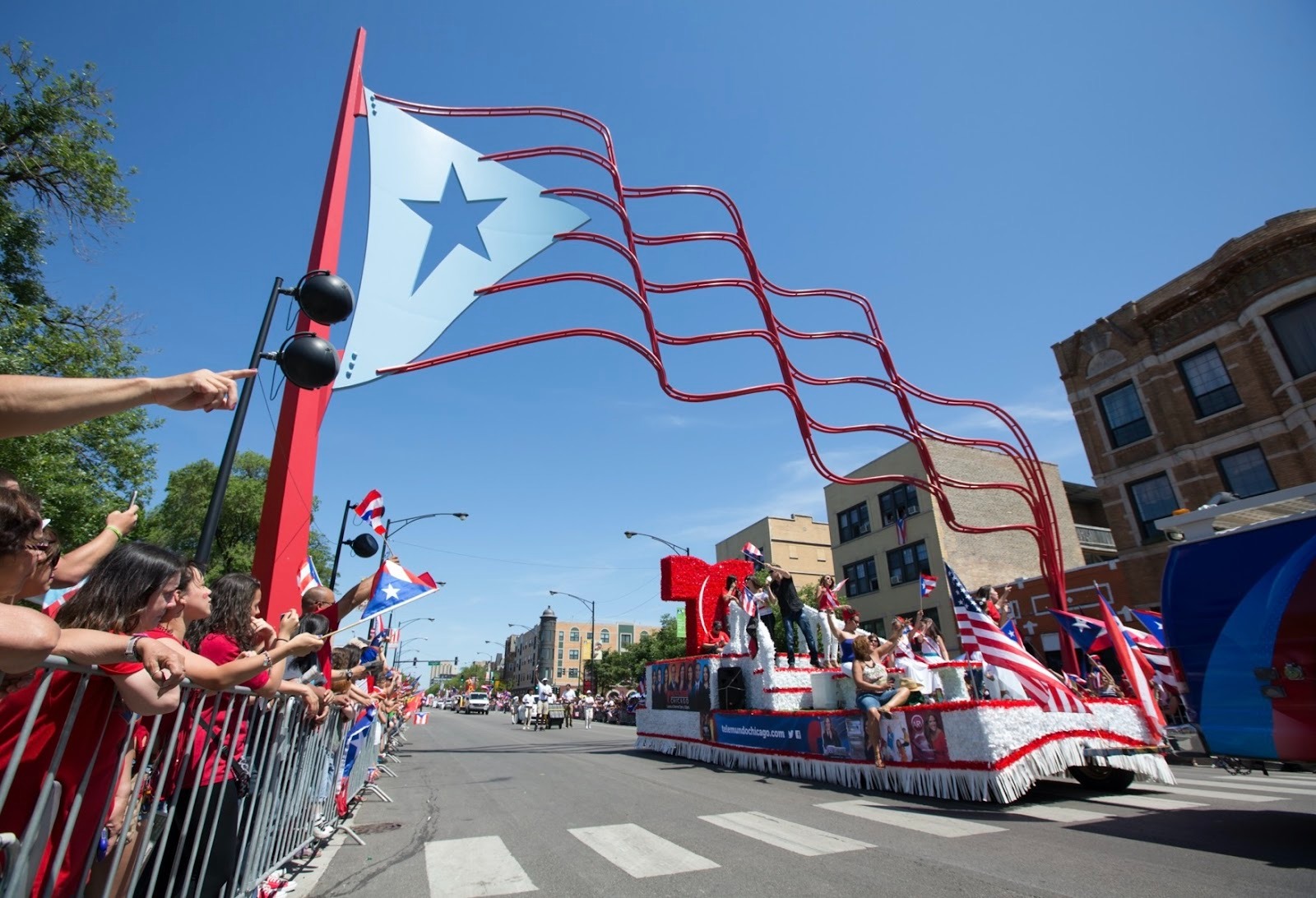
In 2009, the National Museum of Puerto Rican Arts and Culture opened in the former stables building. This initiative, supported by the local community, symbolizes the cultural diversity of the neighborhood, where many Puerto Ricans have settled since the early 20th century.
Sculptures and Monuments
Humboldt Park is adorned with numerous works of art that reflect the city’s history and multicultural heritage:
- The statue of Alexander von Humboldt—a ten-foot bronze sculpture by Felix Görling, symbolizing his scientific journeys.
- Bronze bison at the east entrance, created by sculptor Edward Kemeys for the 1893 World’s Columbian Exposition.
- The monument to Fritz Reuter, a German writer, installed by the German-Americans of Chicago.
- The statue of Leif Erikson, commemorating the first Europeans to reach the shores of America.
- The park was once home to the monument of Tadeusz Kościuszko, which now adorns Chicago’s Museum Campus.
Humboldt Park is not just a green space on the Chicago map. It is a historic center of cultural exchange, an open-air architectural museum, and a symbol of coexistence between nations and generations. From 19th-century events to modern city festivals, the park continues to be a place where nature, art, and community come together to write a harmonious story.