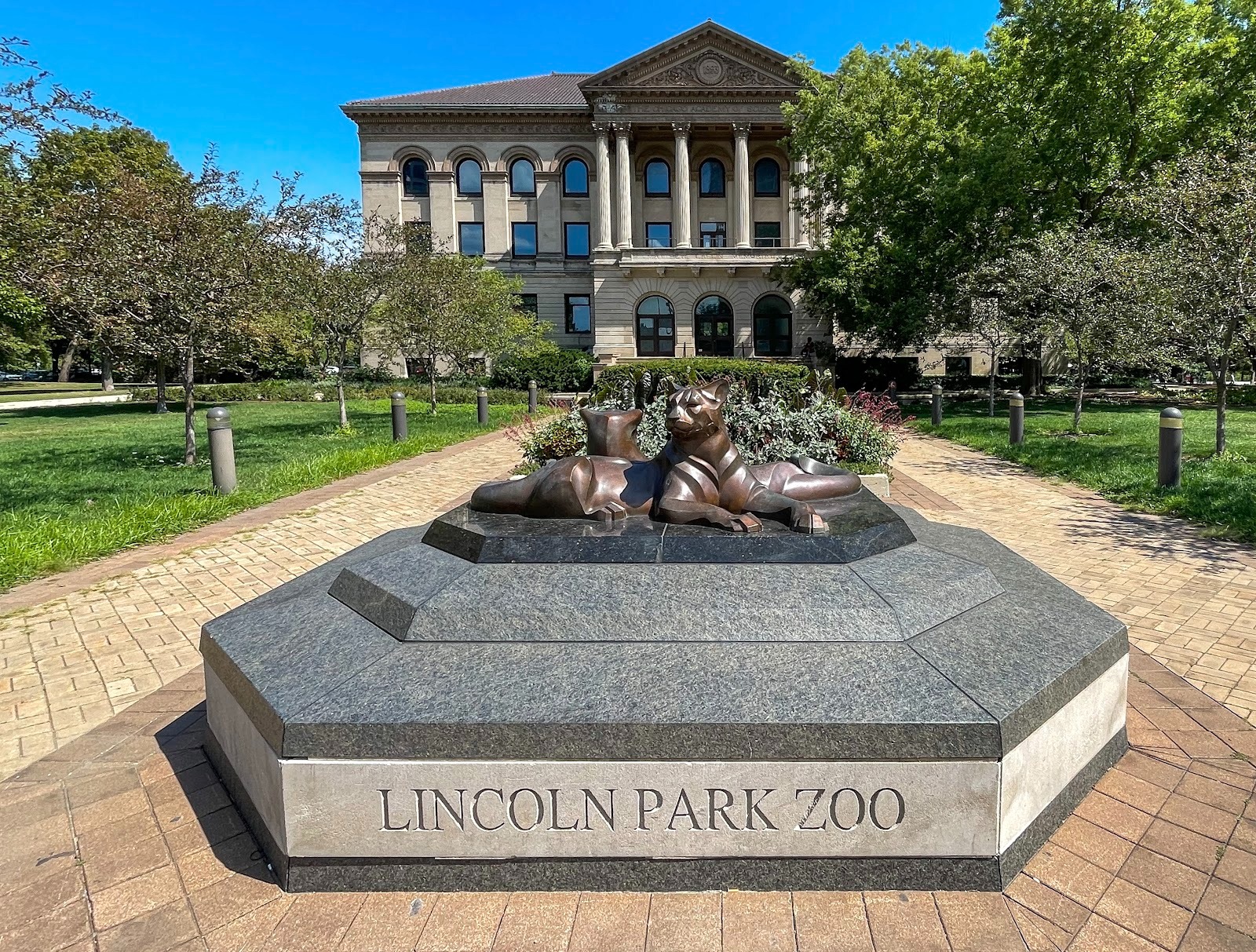
This isn’t just a park; it’s the true heart of Chicago’s North Side, where nature, history, and architecture intertwine in a harmonious blend. Its scenic pathways, quiet lagoons, historic pavilions, and museums have made it a beloved destination for millions of residents and tourists alike. This park embodies Chicago’s love for nature, openness, and beauty. It is the second most-visited park in the United States—a true centerpiece of the “City by the Lake.” Read more on chicagoname.
The Park’s Founding
Lincoln Park’s story begins in 1824, when the U.S. Army built a small military post near the intersection of Clybourn and Armitage Avenues. Native American settlements existed nearby. In 1828, the federal lands of the future park were transferred to the state of Illinois. In 1837, the same year Chicago was incorporated as a city, the territory north of North Avenue was designated as a cemetery. Following a cholera epidemic, a portion of the land was purchased for a hospital and quarantine zone.
As Chicago began to grow rapidly, doctors and residents complained about the unsanitary conditions near the cemetery. People feared that water from the graves could seep into Lake Michigan. Because of this, bodies began to be moved in large numbers to other cemeteries, such as Graceland and Oak Woods. However, according to some researchers, a portion of the burials remained, and even a century later, human remains are still occasionally found during construction work in the park.
In 1860, residents petitioned the city council to transform the area into a public park. Within a few years, the sale of burial plots ceased, and the first work to develop the space began. After the Civil War ended in 1865, the park was renamed Lincoln Park in honor of the assassinated president. The name eventually extended to the surrounding neighborhoods, which were gradually incorporated into the city.
Over the decades, the park faced serious challenges. The Great Chicago Fire of 1871 destroyed most of its structures, and powerful winter storms in 1885 forced the city to build barriers and undertake massive landfill projects, which expanded the park’s territory. However, each crisis became a catalyst for development. Thanks to the city’s decision to create separate park commissions in 1869, and later the unified Chicago Park District in 1934, Lincoln Park became part of the city’s vast network of green spaces.
An Entertainment Destination
In the late 19th century, the area became a center for recreation. From 1896 to 1903, an amusement park operated near Clark Street and Wrightwood Avenue, featuring the original Ferris Wheel—one of the marvels of the World’s Columbian Exposition.
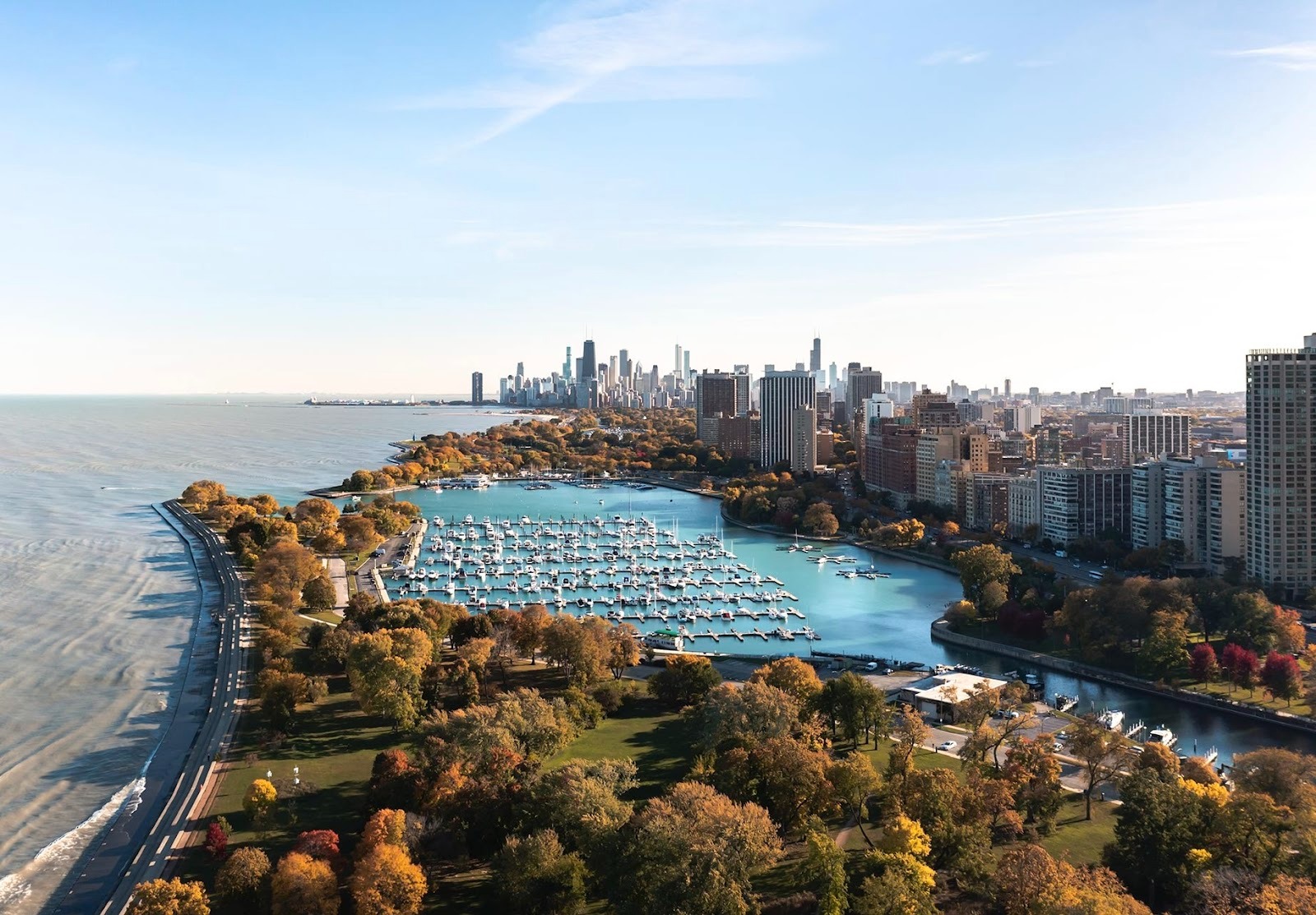
As Chicago grew, the park changed with it. Today, it covers over 1,200 acres and welcomes more than 20 million visitors annually. With its natural lakes, pathways, sports areas, and museums, Lincoln Park has evolved into a true blend of nature, history, and urban life.
The park owes its design to a series of notable landscape architects. Swain Nelson created the first pathways, and in the early 20th century, Ossian Cole Simonds doubled the park’s territory and filled in parts of the shoreline. His goal was to create the tranquil, wooded environment that city dwellers deeply needed.
One of the park’s most striking features is the Alfred Caldwell Lily Pool, built in the Prairie style. Its stonework and native plants create a harmonious composition that was designated a National Historic Landmark in 2006. Another gem is Café Brauer, a 1908 structure designed by architect Dwight Perkins, a leader of the “Prairie School” movement. In 2008, the architectural firm Studio Gang revitalized the South Pond, transforming it into an urban wildlife habitat. The centerpiece of this space is a pavilion made of curved fir planks, which has become a symbol of modern Chicago.
Cultural Centers
The tradition of placing museums in city parks is well-established in Chicago. In 1894, the Chicago Academy of Arts and Sciences moved to Lincoln Park and later became the Peggy Notebaert Nature Museum. The museum traces its history to the Chicago Academy of Arts and Sciences, which founded it in 1894. It offers interactive exhibits dedicated to nature, ecology, and living organisms. The main focus is on regional ecosystems and the conservation of local flora and fauna. Visitors can observe butterflies in a special pavilion, study birds and insects, and learn about the lakes, rivers, and forests of Illinois.
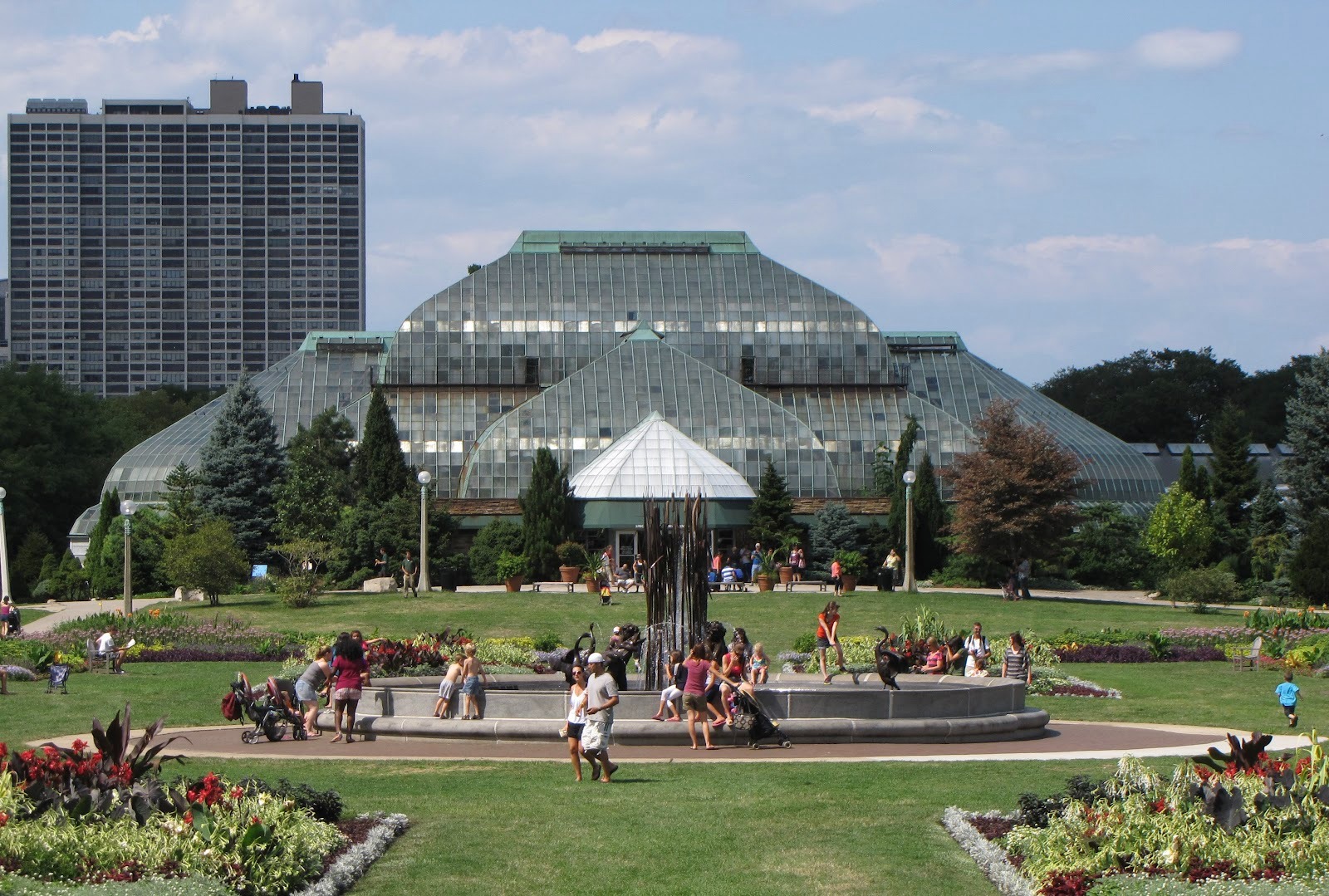
In 1895, the Lincoln Park Conservatory opened, nicknamed “a paradise under glass.” Even in the harshest winters, it offered city dwellers a feeling of tropical warmth. The conservatory features palms, orchids, fig trees, and rare exotic plants from around the world. It is a place not only for relaxation but also for educational programs, lectures, and exhibitions. Together with the nature museum and the conservatory, Lincoln Park creates an integrated educational space where visitors can simultaneously study animals, plants, and natural phenomena, while also gaining an understanding of the importance of environmental conservation. These facilities underscore the park’s concept as a place for recreation, education, and interaction with nature—a key feature that makes Lincoln Park unique among U.S. city parks.
The park features over 12 kilometers (about 7.5 miles) of walking and biking trails, venues for sports, festivals, concerts, and family recreation. The Lincoln Park Conservancy, founded in 1984, manages the park’s care and restoration, develops volunteer programs, and preserves its historical authenticity.

The Zoo
The park’s most famous institution is undoubtedly the Lincoln Park Zoo. Its story began with two swans gifted by New York, and its first purchase was a bear cub for $10 in 1874.
The zoo covers over 35 acres and is home to more than 1,100 animals, including rare species. Here, you can see lemurs, lions, tigers, bears, elephants, sea lions, birds, and reptiles. It is one of the few zoos in the U.S. that has maintained its free admission status, making it accessible to everyone.
A particular point of pride for the zoo is its system of naturalistic habitats, which simulate wild conditions for the animals. The zoo is actively involved in conservation and education, offering tours, educational programs for children and adults, volunteer projects, and special events to raise awareness about nature conservation.
One of the zoo’s most famous residents was Bushman, a gorilla who was one of the largest in captivity. His death in 1951 drew hundreds of visitors and became a community-wide event. Stories like these shape not only the zoo’s cultural value but also its role in society as a space for learning, entertainment, and connecting with nature.
Lincoln Park is more than just a city park. It is a living, open-air museum where the past meets the future. Its history is a testament to how a community can transform a place of death into a space for life, beauty, and inspiration. Thanks to its scale, cultural significance, and architectural excellence, Lincoln Park remains the true heart of Chicago’s North Side—a place where nature and the city breathe in unison.