

Grant Park is a unique place where you can enjoy silence and picturesque views of the shore of Lake Michigan, even though it is located in the very center of Chicago.
Grant Park is considered the largest and oldest park complex in the city. Millennium Park, the Museum Campus, Buckingham Fountain and various entertainment venues are located on its territory according to chicagoname.com.
Brief history
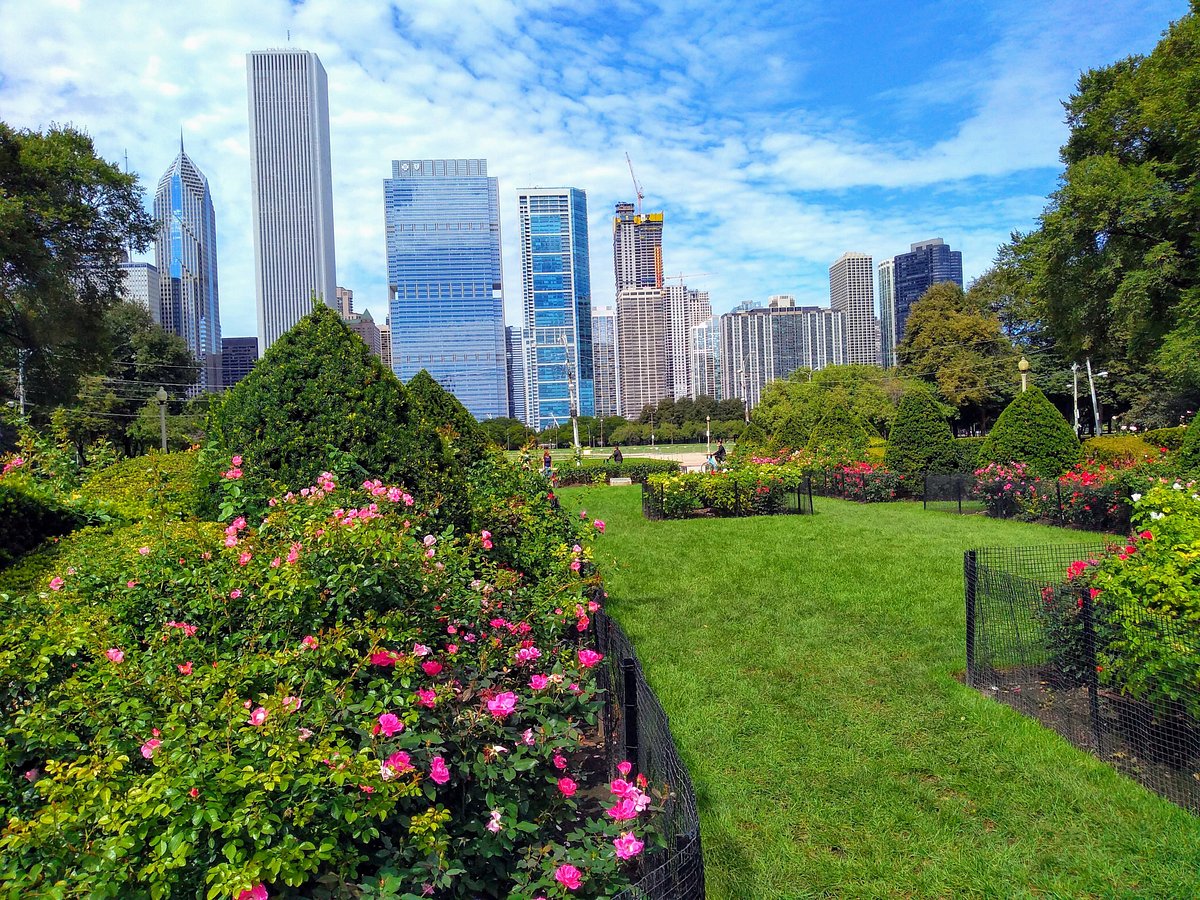
It is hard to imagine that not so long ago there was a parking lot on the site of the park. This land belonged to a railway company that was going to develop it. In 1844, Lake Park (the old name) was opened. The city began to actively expand and develop it in 1896. In 1901, Lake Park was renamed Grant Park. Soon, several laws were issued that prohibited the construction of any buildings on its territory.
In 1904, the Olmsted brothers presented their plan. They proposed to place the Field Museum in the central part of the park. However, the project was rejected by the authorities, but not for long.
At the beginning of the 20th century, the territory of Grant Park was expanded by the addition of a landfill. From 1910 to 1920, it housed the Adler Planetarium, Field Museum of Natural History and Shedd Aquarium. In 2004, Millennium Park joined Grant Park. Grant Park soon became a cultural center where important public events were held.
The funeral procession of former 16th US President Abraham Lincoln took place here in 1856. In 1911, the main Chicago International Aviation Meet was held in the park. The USA Outdoor Track and Field Championships were organized here in 1913. Over the years, the traditions have remained unchanged. The modern Grant Park is the site of many festivals and concerts that gather millions of people.
Features of Grant Park
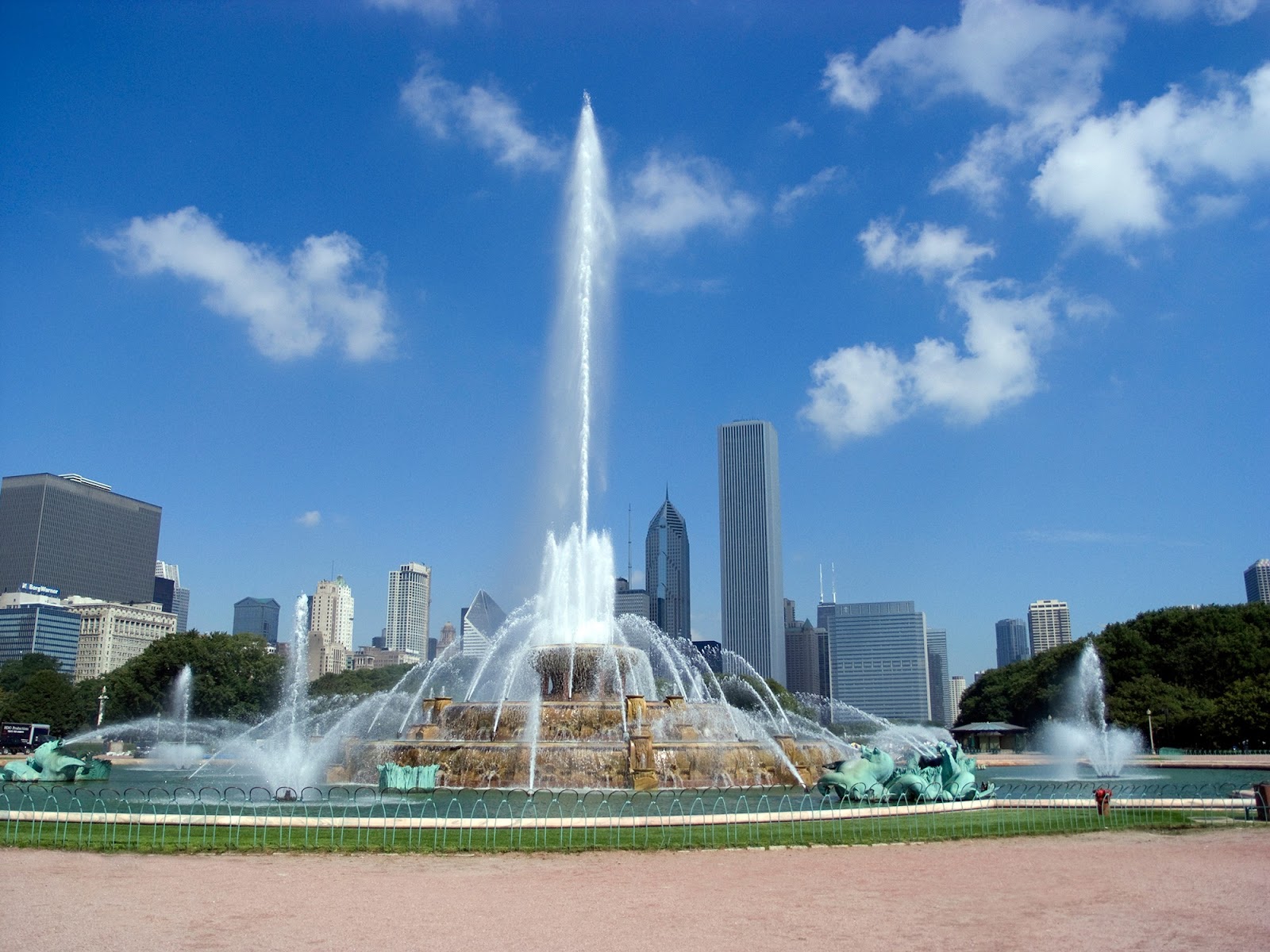
Grant Park is a beautiful green space that covers more than 300 acres of land. A large number of historical monuments are located on its territory. Grant Park is crossed by large boulevards and even sunken railway tracks.
At the beginning of the 20th century, the park began to be arranged in a formal beaux arts and Art Deco style. Tall American elms were planted in the form of avenues using a rectangular planting pattern. Hundreds of these trees exist now and reach 20 meters in height. In 1970, many elms were devastated by Dutch elm disease. The loss was filled by planting hybrid elms. The terrain around the park is flat. The highest point in the vicinity reaches 186 meters. Grant Park is famous for its incredible sights, including Millennium Park, Buckingham Fountain, the Art Institute of Chicago and the Museum Campus.
Tiffany & Co. Celebration Garden is a unique place where trees rustle and birds sing constantly. Tiffany & Co. is actively engaged in supporting the environment. It invested $1.25 million to create a garden landscape design. The special layout of the garden attracts a large number of people to the park and is a good place for leisure.
The visiting card of Grant Park is Millennium Park, which covers 100 square meters. It was opened in 2004. This natural oasis is frequented by both city dwellers and tourists as it is the perfect place to retreat and enjoy the natural and architectural beauty. There are many fountains here, which are a symbol of the Great Lakes system.
The architecture of Grant Park blends very well with nature. In addition, the park became home to a large number of rare plants and animal populations.
Therefore, we can conclude that Grant Park is a natural and architectural heritage of the Windy City, where life is in full swing.
