

Modern Chicago is a huge metropolis with well-organized waste processing. However, this was not always the case. When the city was founded, there were no strict rules and laws for the sorting and disposal of garbage, which led to its huge accumulation throughout Chicago. Read more on chicagoname.com.
Critical situation in the 19th century
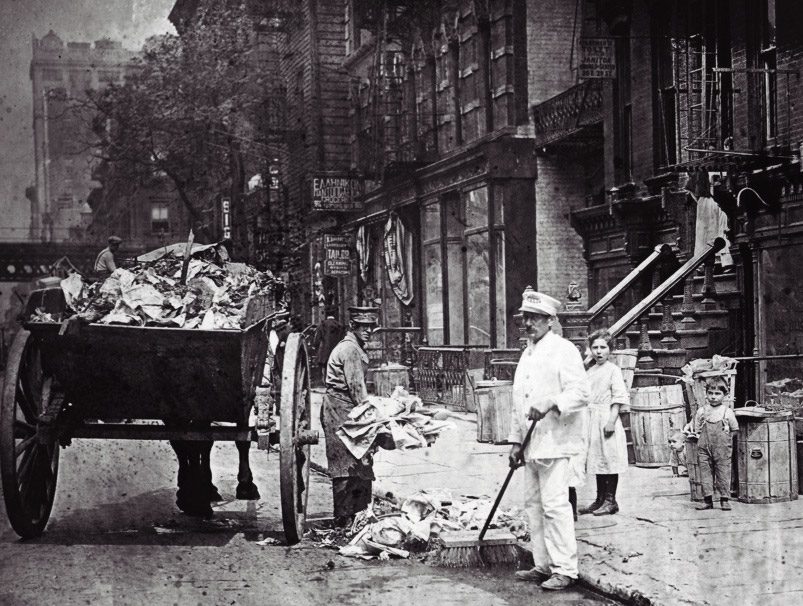
In the 19th century, urban waste contained mostly wood ash, horse manure, newspapers, and magazines. Most of it was easily decomposed.
In 1849, due to the increase in the amount of waste, the first garbage collectors appeared. They collected waste and most often dumped it in swampy areas located on the outskirts of Chicago. They did not realize the damage done to the environment.
As a result, the landfill caused an unpleasant smell that spread throughout the city. People began to protest and demanded action from the authorities. However, environmental regulation of the situation was limited. City services did not work well. It happened that they left wooden boxes full of garbage for several days or even weeks. The situation was especially deplorable in the immigrant quarters, where waste removal was carried out very rarely.
Resolutions regulating waste disposal
In 1890, the situation with disposal was improved. A few years earlier, the city government had issued a decree that limited the dumping of meat processing waste. Still, the packers continued to throw the waste into the rivers and pollute them. The government could not do anything because the industry was economically profitable.
The state of the city’s rivers was very bad. A tributary of the Chicago River was called Bubbly Creek due to the bubbles that rose to the surface. They were created from the slaughterhouse waste, which decomposed at the bottom of the reservoir.
Leather factories and distilleries dumped their waste into the northern part of the river.
At the beginning of the 20th century, the amount of industrial waste increased. Steel factories dumped slag on the lands with residential buildings. In addition, oil and chemical wastes were thrown into waterways. The course of the Chicago River was changed by digging channels, thus protecting Lake Michigan from the impact.
The problems that arose due to this situation started to be gradually solved. In 1922, wastewater treatment started. The remaining sediment was poured into the ground.
The advent of atomic energy deepened the danger. Thus, radioactive thorium waste was disposed of in conventional landfills or discharged into the DuPage River between 1945 and 1964.
Garbage disposal in the 20th century
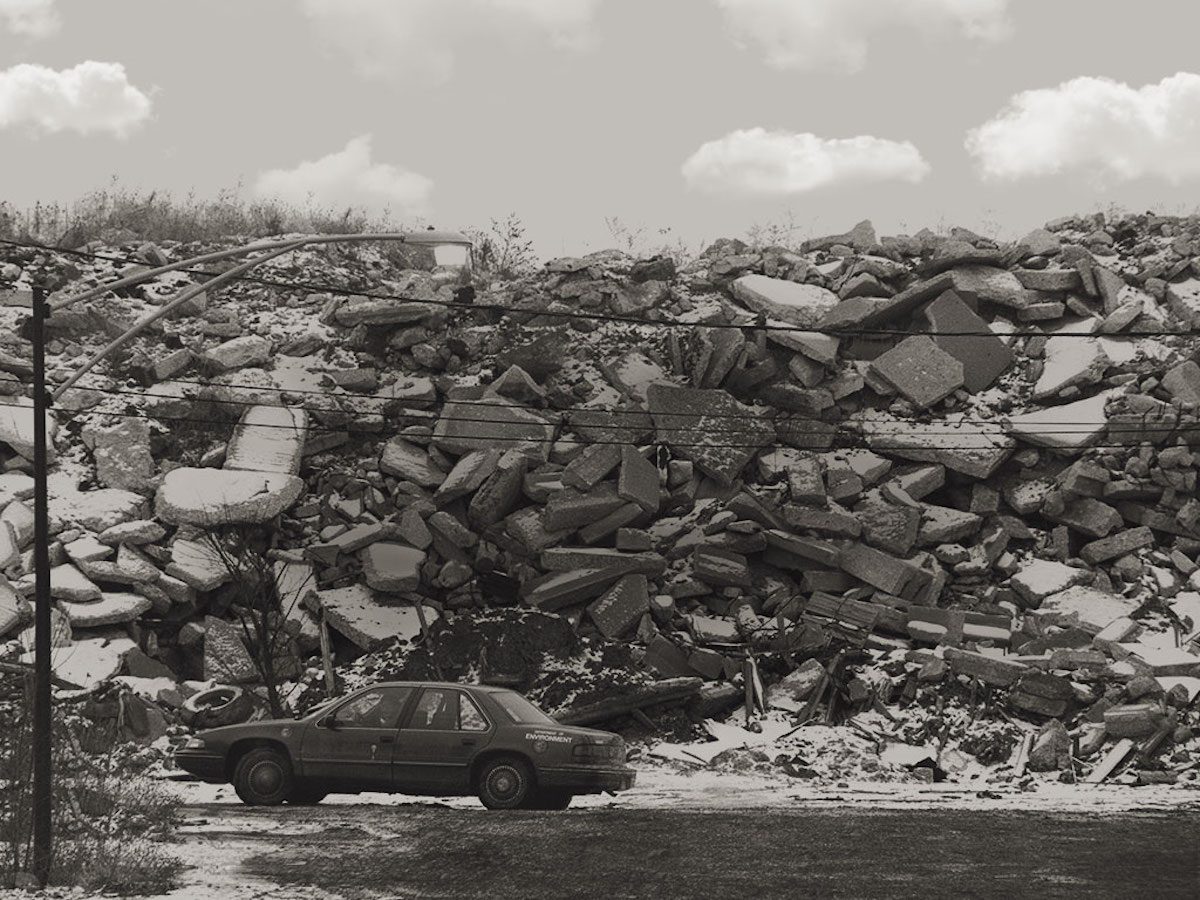
In 1905, the city threw 1,614 tons of garbage out every day. The clay and stone quarries in the vicinity quickly filled up. The authorities began experimenting with incineration and other techniques, but most waste was still dumped on the outskirts of the city.
In 1963, 3 million cubic yards of waste were removed from here to 72 landfills.
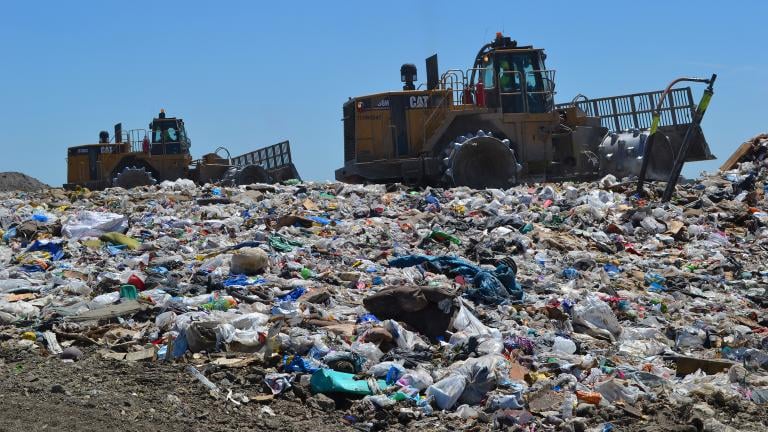
At the end of the 20th century, the household waste increased tremendously. This was due to the growth in the city’s population. Ash has disappeared from urban waste as coal has been replaced by other means. However, people have been throwing away ever-increasing amounts of non-biodegradable cans and bottles, as well as corrugated and plastic packaging.
To cope with this situation, the city started burning garbage again in the 1950s. From 1960 to 1980, most of the waste was burned. Investigators and the public have become concerned about emissions from smokestacks, especially plastics and similar materials. Moreover, the ash from the incinerators contained toxic compounds.
The city closed the last municipally owned incinerator due to the high costs of modern pollution controls in 1996. As a result, the demand for landfills for burying urban, suburban and industrial waste increased.
Enterprises, apartment owners and administrations have signed contracts with private carriers. These largest companies owned and ruled landfills and incinerators.
To encourage homeowners to limit waste production, a subscription fee has been introduced in several suburban settlements. However, this did not give any results. Subsequently, the high costs of waste disposal and the lack of suitable places for landfills led to a crisis.
In 1990, a law was passed that prohibited the storage of yard waste in landfills, obliging local authorities to process garbage.
In 1995, a unique blue bag garbage system was introduced. Recyclables were placed in them and put in the trucks. The program has been criticized for frequent bag breaks, resulting in mixed waste that could not be effectively recycled. Thus, recyclables were put in special containers and taken away by separate trucks.
The practice of dumping waste permanently stopped in the city only in 1967. Then, it was replaced by a landfill. Under strict regulation, specialized companies dispose of hazardous waste, which can be buried in designated sites or burned in modern incinerators.
