

Chicago in the 21st century is a lively city. It is known for its tall skyscrapers, culture, various attractions and even sports teams. Among the many famous objects and places, there is a very special one, Lincoln Park Zoo (LPZ). It’s the oldest zoo in Chicago with an incredibly rich and fascinating history. Find out more at chicagoname.
Founding of Lincoln Park Zoo
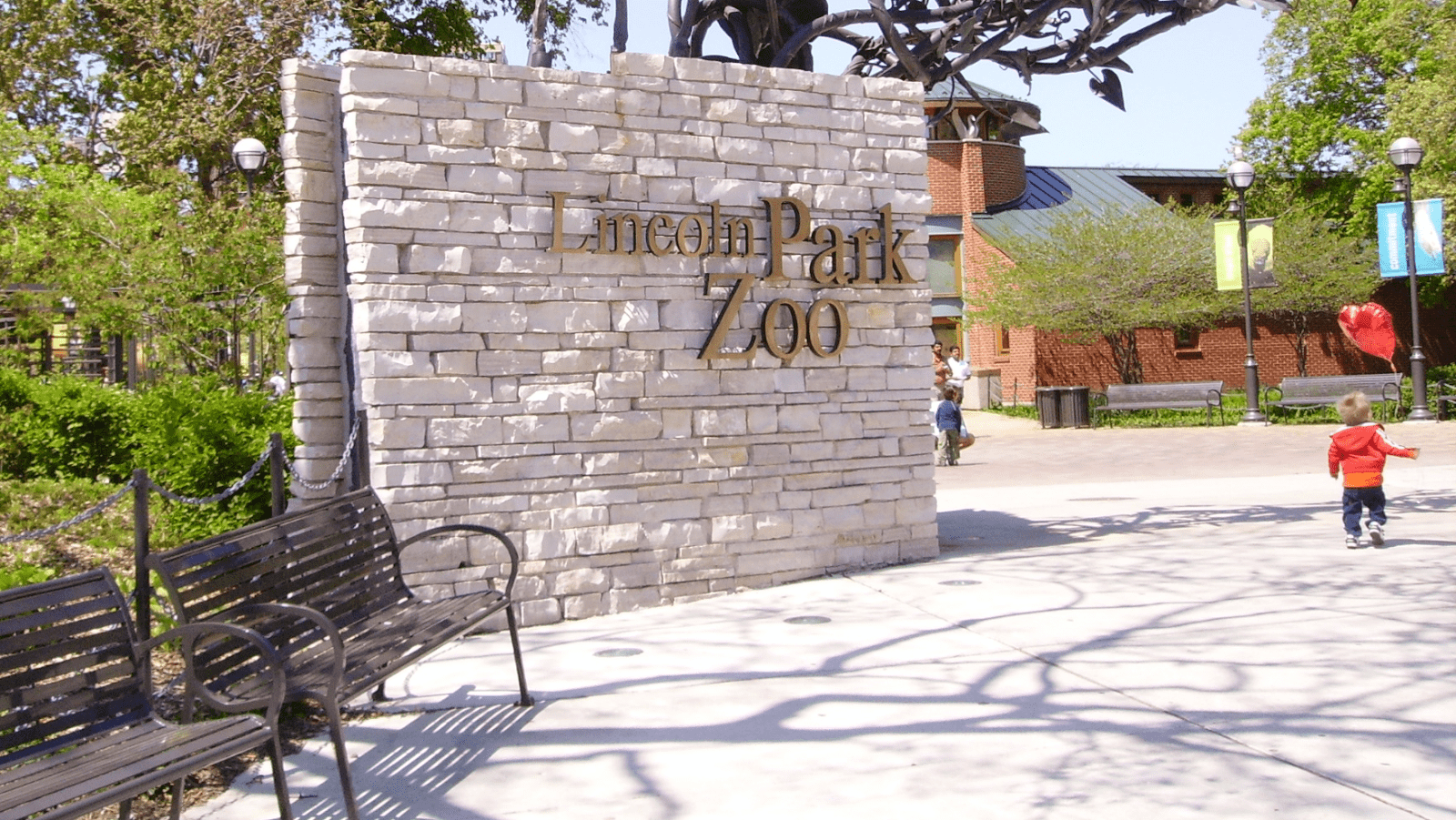
The Chicago Zoo is in the heart of the city. At present, it is a real green oasis among the noisy concrete jungle. The history of LPZ dates back to 1868. Then, Lincoln Park Commissioners thought about creating a zoological collection that would allow Chicagoans to learn about the diversity of the animal world. With the help of visionary leaders and generous benefactors, their dream became a reality.
Initially, the zoo started with a modest collection of animals. The first of which were:
- two swans
- a puma
- two moose
- three wolves
- four eagles
- eight peacocks.
As the years passed, the zoo’s popularity grew, attracting more visitors and expanding the species of animals. By the end of the 19th century, LPZ had become a favorite place and a vital part of the city’s cultural scene.
Development of the Chicago Zoo
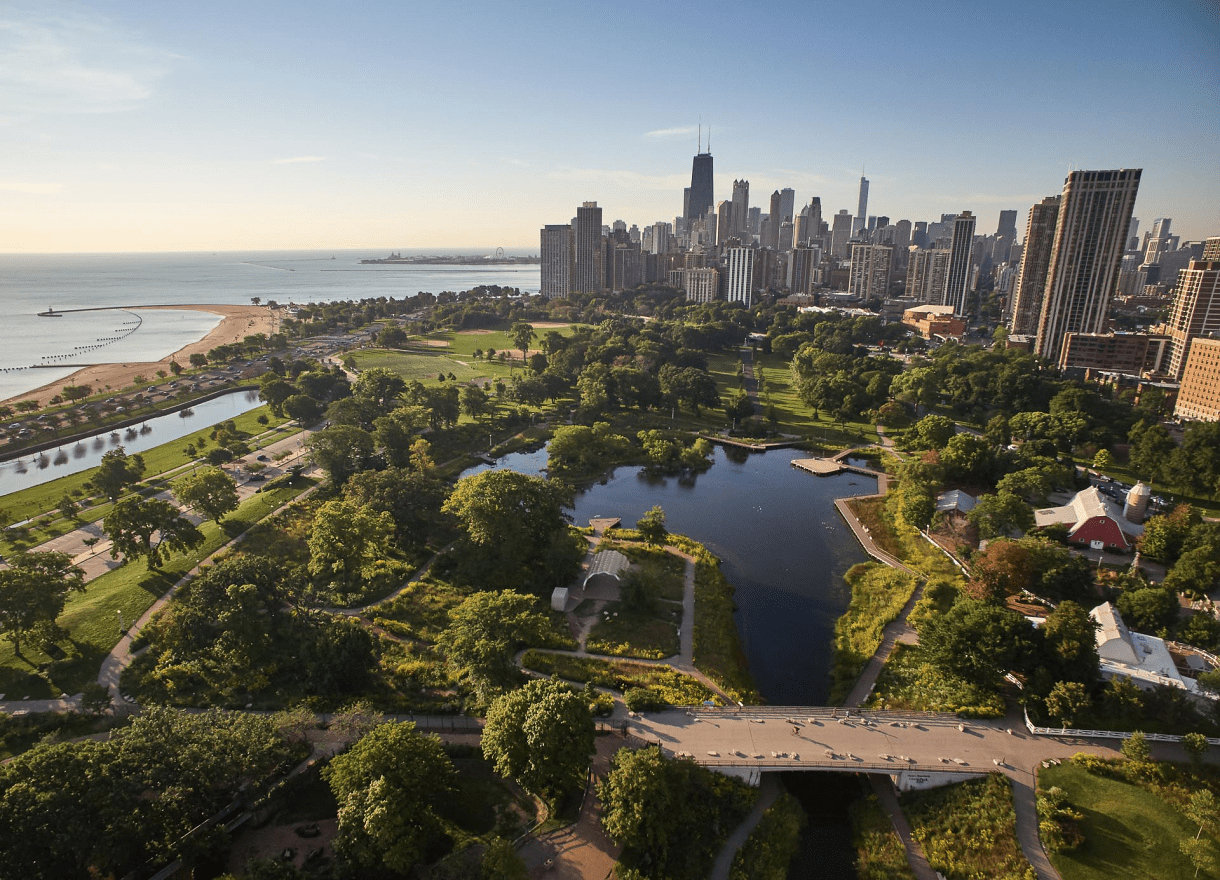
All the animals that have appeared in the zoo since its opening in the 19th century were donated by philanthropists and various charitable organizations. The first animal the zoo purchased at its own expense was a bear. It was bought for 10 dollars in 1874 from the Philadelphia Zoo. This bear became a real celebrity at the Chicago Zoo as he learned to escape from his enclosure. He could often be found in the alleys of Lincoln Park at night.
At the end of the 19th century, the Chicago Zoo also introduced a rare animal, the bison. In 1884, a grand event took place there, the birth of the first American bison in captivity.
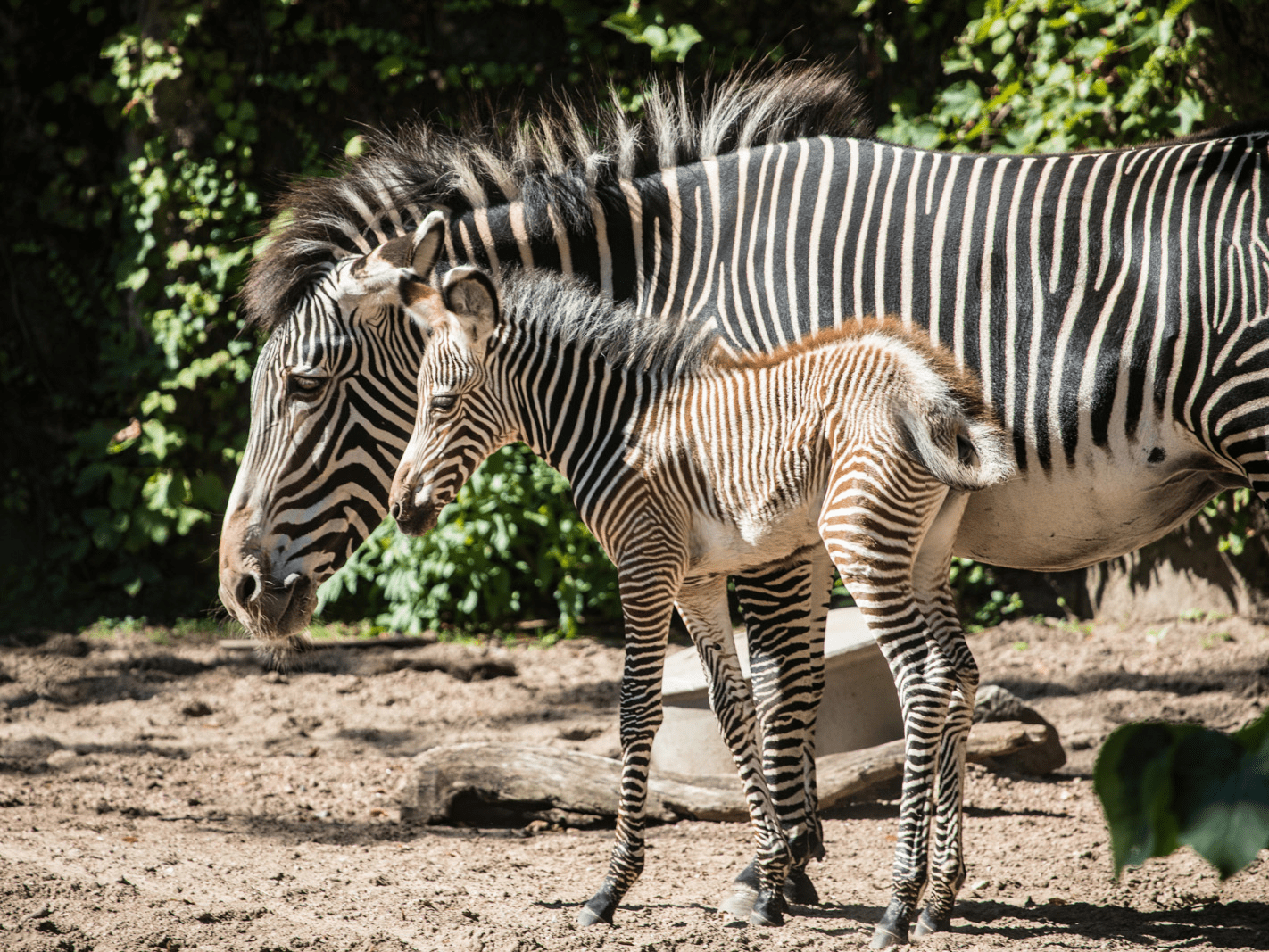
Also, in the late 19th century and early 20th century, the zoo was replenished with such animals as:
- elephants
- monkeys
- lions
- gorilla.
During the 20th century, LPZ experienced significant growth. The number of animals in the zoo increased significantly. Moreover, Lincoln Park expanded its research and conservation efforts in that period.
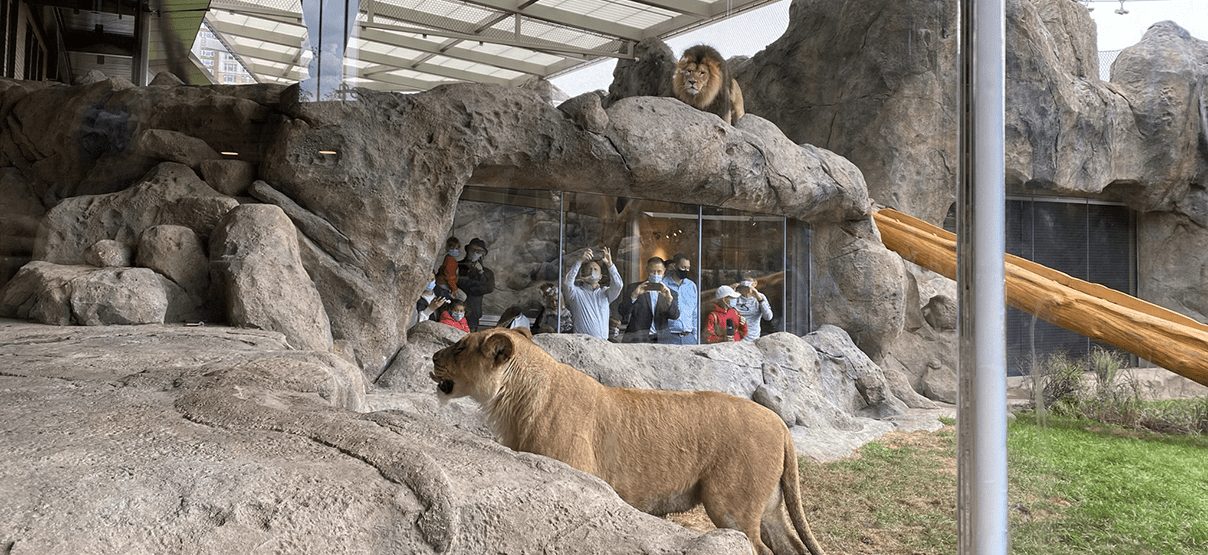
Over the years, the zoo has grown to an unprecedented scale. In the 21st century, it is a favorite spot in Chicago and across the country. Nowadays, Lincoln Park boasts an impressive variety of animals, including:
- Regenstein Center for African Apes
- Pritzker Family Children’s Zoo
- Kovler Seal Pool
- Helen Brach Primate House
- McCormick Bird House
- Camel & Zebra area
- and much more.
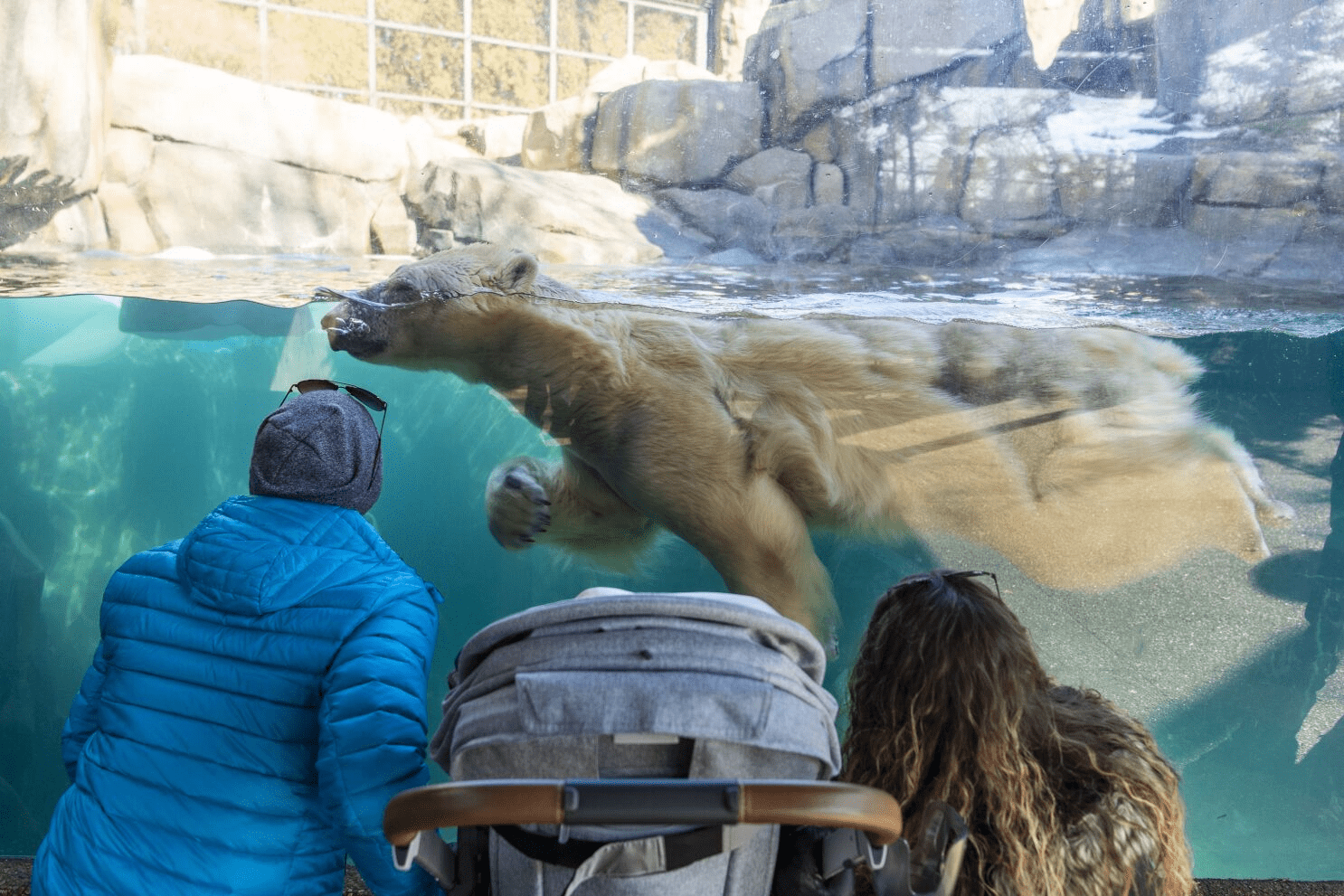
In addition to being one of Chicago’s most popular tourist destinations, LPZ is also an active participant in critical conservation efforts both locally and globally in the 21st century. Through partnerships with conservation organizations and participation in breeding programs, the zoo plays a vital role in protecting endangered species and preserving biodiversity.
As the oldest zoo in Chicago, LPZ remains a very important place that has stood the test of time. It has an incredibly rich history of development and formation, a diverse animal world and modern infrastructure. These days, the zoo has over a thousand animals (approximately two hundred species). By the way, an oak tree dating back to 1830 had been growing on the zoo’s territory for many decades. It was planted shortly before the founding of the city of Chicago. This tree was cut down in 2023 due to its poor condition.