

In the 21st century, cities around the world are facing unprecedented environmental challenges. But among many cities around the world, Chicago stands out as a symbol of sustainability and innovation. For years, it has been implementing initiatives to combat the pressing issues of pollution, climate change and sustainability. In an effort to create a greener future, Chicago is an example for smart urbanism. Today, the city is rightfully considered one of the greenest cities in the United States. Read more at chicagoname.
Towards sustainable development
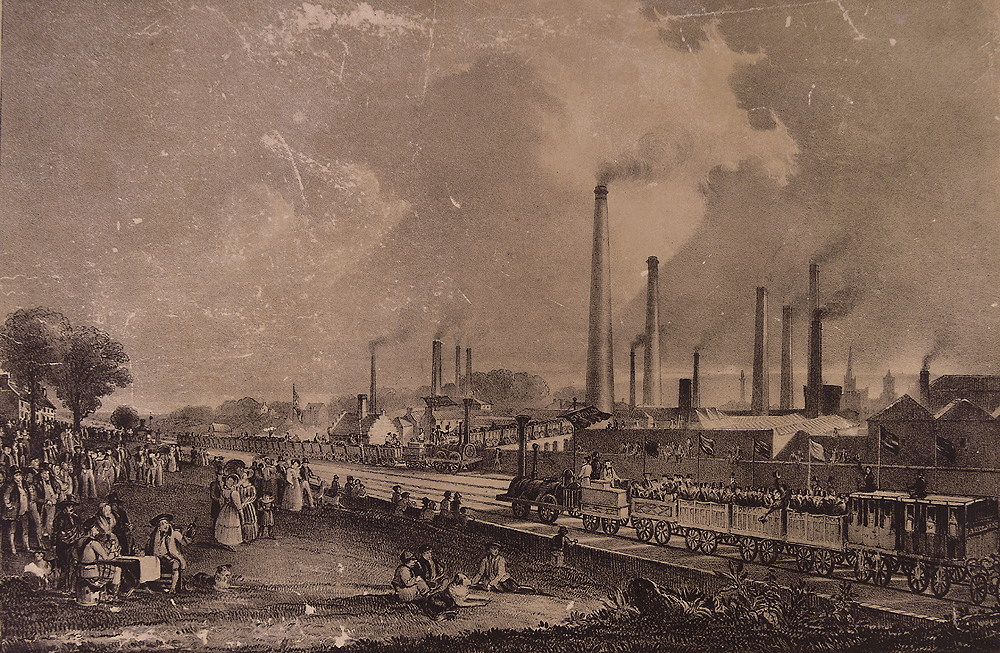
Chicago’s path to environmental sustainability goes back a long way. Chicago was once an industrial city that released tons of pollutants into the air. Then, due to industrialization and dependence on fuel, the city faced serious air pollution problems. As early as the 19th century, Chicago’s government understood industry’s enormous and harmful environmental impact. It began transforming the city into an environmentally friendly metropolis.
Air quality and renewable energy

Despite the fact that sustainability plans were developed in the 19th century, Chicago’s air quality did not improve significantly until the 21st century. Strict emission standards, increased investment in clean energy sources and the promotion of electric vehicles have significantly reduced the amount of pollutants in the city. The location of wind turbines along the shoreline of Lake Michigan has turned Chicago into a center for renewable energy.
Stricter emission standards for vehicles and industrial sources have helped reduce emissions of pollutants such as sulfur dioxide and nitrogen oxide. However, in the 21st century, the city still experiences air pollution incidents, especially during the hot summer months. This is due to a combination of factors such as high vehicle emissions, industrial activity and weather conditions.
Green spaces and biodiversity conservation

Over the years, Chicago’s government has reduced the amount of pollution entering the city’s atmosphere. The city’s natural heritage is preserved through parks, greenery and plantings. Chicago boasts an impressive network of public parks, including the world-famous Millennium Park. It provides recreational areas for residents and serves as an important habitat for numerous species of birds and other wildlife. In addition, urban gardens and rooftop farms have contributed to the local food movement since the 20th century. All this significantly reduces the carbon footprint associated with food production and transportation.
Water resources management

Chicago is on the shores of Lake Michigan. Throughout its history, the city has faced many challenges related to water management and protection. Lake Michigan is one of the largest sources of fresh water in the world. In the 21st century, efforts have been made to improve water quality through initiatives such as the Great Lakes Restoration Initiative. It aims to address issues such as invasive species, pollution and environmental degradation. The city has also taken steps to reduce stormwater runoff and protect the lake from pollution.
But achieving true environmental sustainability has always required the active participation and involvement of its residents. To this end, Chicago has implemented many programs in the 21st century to raise awareness and promote environmental education among its residents. Neighborhood cleanups, tree planting campaigns and youth mentoring programs have helped Chicagoans of all ages feel empowered to care for the environment.
In addition to all of the above, today’s Chicago government is actively addressing climate change. Extreme weather events have become more frequent in the city, including heat waves, heavy rains and severe storms. To mitigate the effects of climate change, Chicago developed a Climate Action Plan in the 21st century. It includes goals to reduce greenhouse gas emissions, improve energy efficiency and switch to renewable energy sources.
Chicago has also taken steps to promote sustainable transportation in the 21st century. The city has an extensive public transportation system, including buses and trains. Bike lanes and bike share programs have been expanded. Initiatives such as Divvy, a bike share system, have encouraged residents and visitors to choose environmentally friendly alternatives to conventional transportation.
The transformation of Chicago’s environment nowadays demonstrates the city’s unwavering commitment to building a sustainable future. Thanks to innovative policies and technological advances, Chicago has become a global leader in environmental protection among other cities. While other cities around the world are just beginning to take care of the environment and fight climate change, Chicago has achieved a lot in this area. The city of Chicago today is an example of how it is indeed possible to overcome environmental obstacles and pave the way for a greener and more sustainable future.