

In the 21st century, Chicago is renowned as one of the greenest cities in the United States. Not without reason, it has become a genuine embodiment of sustainable development in the 20th and 21st centuries. Back in the 20th century, the Chicago government started down the road of innovative landscaping. Chicago’s dedication to sustainability and environmental protection stands out greatly in the age of the concrete jungles. In the 20th century, city planners entirely rethought the design of urban space, resulting in a greener and more comfortable living environment for its citizens, including rooftop farms and gardens. Find out more at chicagoname.
Roof gardens
Green roofs are becoming more widespread in Chicago in the 21st century as a means of maximizing the utilization of space and improving energy efficiency. These roofs are vegetated, which serves to minimize storm runoff, control temperature and offer habitat for a variety of birds. Green roofs can also contain public gardens or recreational areas.
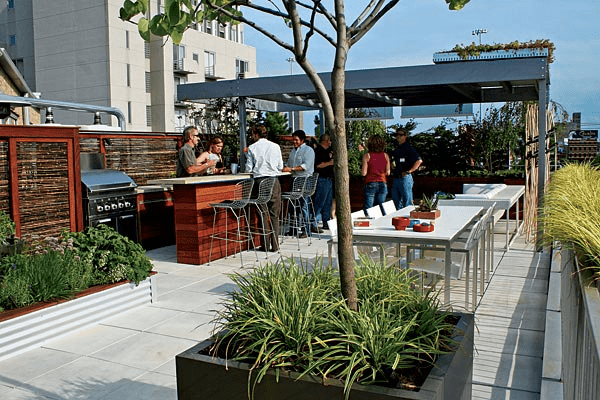
The spread of urban rooftop gardens is one of the distinctive features of Chicago’s green revolution. The city became the epicenter of a boom of rooftop gardens in the latter part of the 20th century, transforming concrete areas into lush green spaces. These rooftop sanctuaries not only give a place to escape the concrete jungle, but they also provide insulation, reduce energy consumption and alleviate the impact of urban heat.
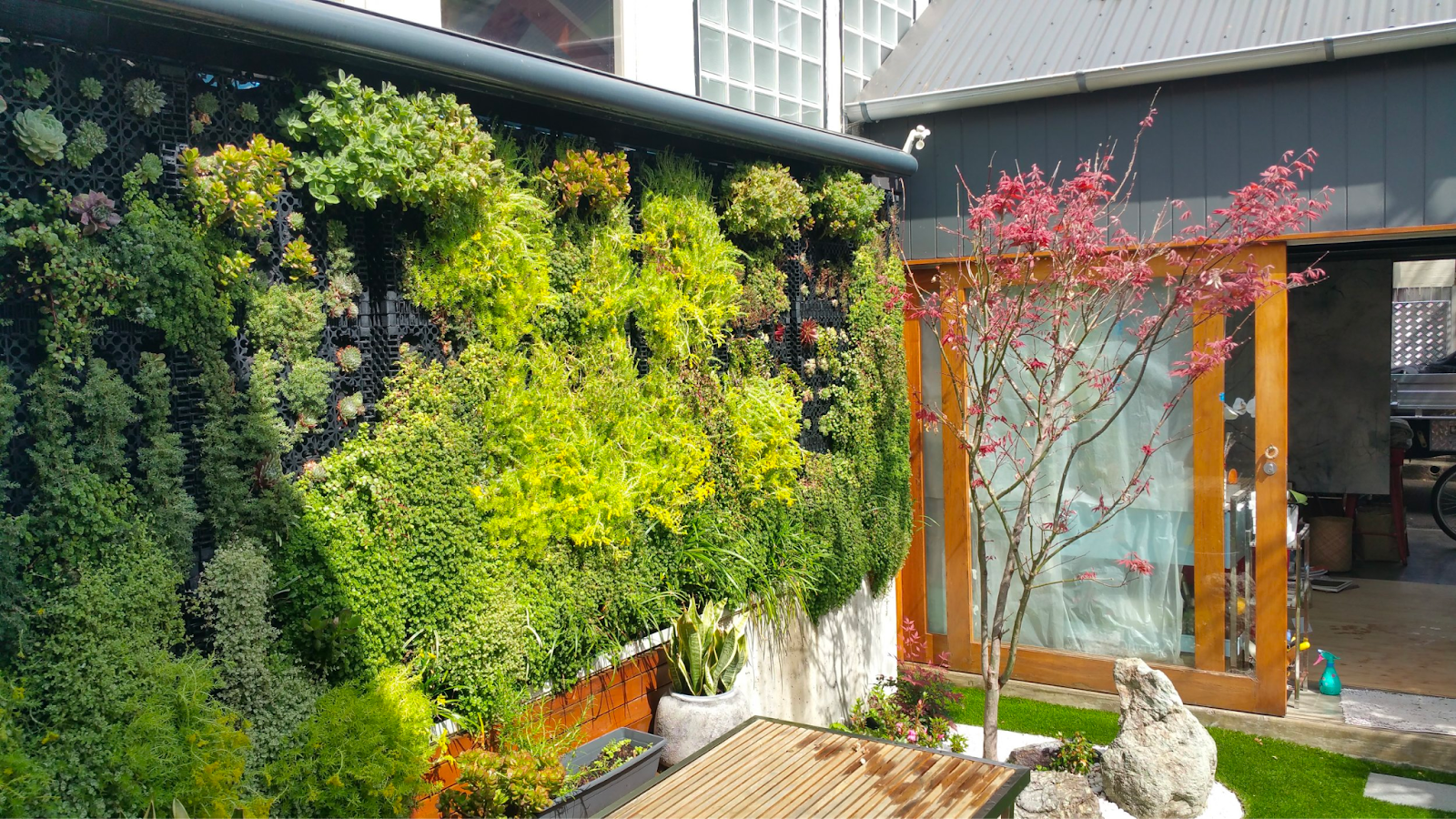
Vertical gardens eventually gained enormous popularity in Chicago as well. In densely populated urban areas, such gardens are an exceptionally inventive alternative for gardening in constrained spaces. In these gardens, plants are grown on vertical surfaces such as walls or fences. They are not only aesthetically pleasing but also assist in improving air quality, reduce the effects of urban heat radiating from concrete and provide insulation.
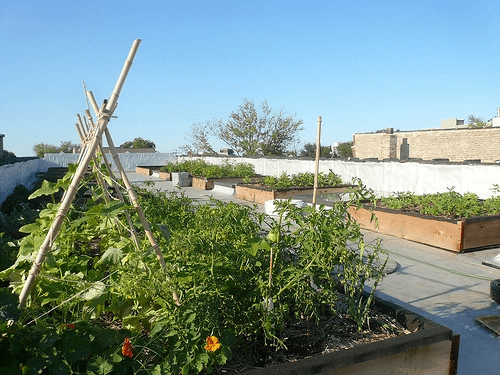
Rain gardens were another environmentally friendly invention in Chicago. They were created by locals in the early 2000s. Specifically, in 2011, a Chicago resident called Brian devised a novel technique for collecting rainwater directly on her roof. This system had seven rain tanks linked by a garland chain and a well pump that provided water to the roof garden. Since then, the utilization of rain gardens has substantially risen, as Chicago has a shifting climate. In the 2000s, rain gardens were only beginning to appear, but by the 2020s, they could be found on practically every roof. These landscaped areas are designed to collect rainwater from roofs, parking lots and other surfaces. Rain gardens usually grow plants that are appropriate to the local climate. Additionally, they aid in removing pollutants from water before it soaks into the ground.
Agricultural production on the rooftop in the heart of Chicago
In the late 20th century, as Chicago moved toward sustainability, farms began to sprout throughout the city. They appeared right on the roofs of the buildings. For Chicago, which is primarily made up of skyscrapers, this was one of the most effective strategies to encourage sustainable growth with the participation of the community. Innovative landscaping techniques have been utilized to convert vacant rooftops and other urban sites into profitable urban farms. In the 21st century, on the rooftops of Chicago buildings, you may discover actual plantations where fresh organic products are grown. These goods are frequently delivered to stores and restaurants on the first level of such a building.
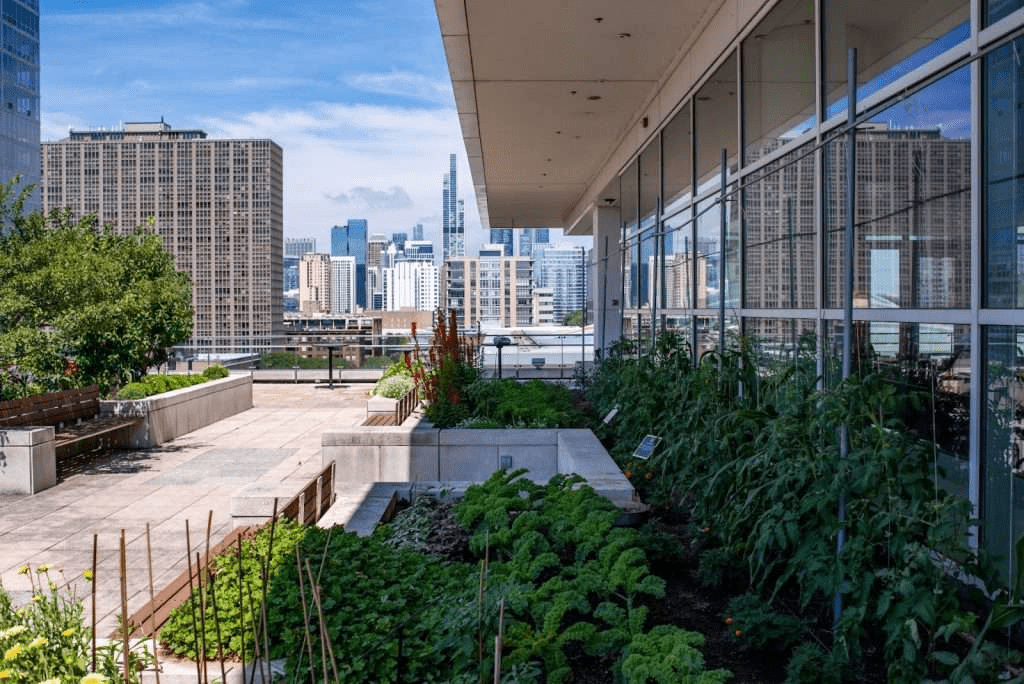
One of these vegetable gardens, in particular, is located on the top of the McCormick Place West Building and belongs to the Chicago Botanic Garden. Many of the vegetable gardens and farms on building rooftops are owned by Chicago residents.
Also in the 21st century in Chicago, there is a number of small parks and green spaces that can be found on the rooftops. People in Chicago want to develop more affordable vacation spots close to their homes and such creative urban landscape offers a place to unwind from the city’s hustle and bustle.
In the 20th and 21st centuries, Chicago’s inventive landscaping initiatives converted the city into a sustainable and comfortable urban environment. The city has demonstrated that even among skyscrapers, urban space can be altered to incorporate green areas by including rooftop gardens, vertical farms, green infrastructure and other initiatives. Chicago’s dedication to sustainable development serves as a model for many cities throughout the world, proving that it is possible to create a harmonious coexistence between urbanization and nature. It is not for nothing that in the 21st century Chicago is regarded as one of the greenest cities in the United States, striving for sustainable development.