

Hazel Johnson was an American environmental activist rightfully known as the “mother of the environmental justice movement.” Her pioneering work on Chicago’s South Side marked a major turning point in shaping a new approach to environmental policy—one that prioritizes not only nature but also human rights, social equality, and racial justice. Her life stands as a powerful testament to how a personal tragedy can spark a massive grassroots movement capable of changing national policy. Read more on chicagoname.
Early Life and Background
Hazel Johnson was born in New Orleans to Mary Dunmore and Clarence Washington. She faced severe hardships early on, losing three younger siblings in childhood and becoming an orphan at just 12 years old. Following this devastating loss, she moved to Los Angeles to live with her aunt and attended Jefferson High School, before eventually returning to New Orleans to live with her grandmother.
In 1955, Johnson relocated to Chicago with her husband, John, and their two children. The family eventually settled in Altgeld Gardens, a public housing project that would later become the epicenter of her activism. While raising her children, Johnson worked a variety of jobs, including roles in civil service and local community organizations.
The Altgeld Gardens Crisis
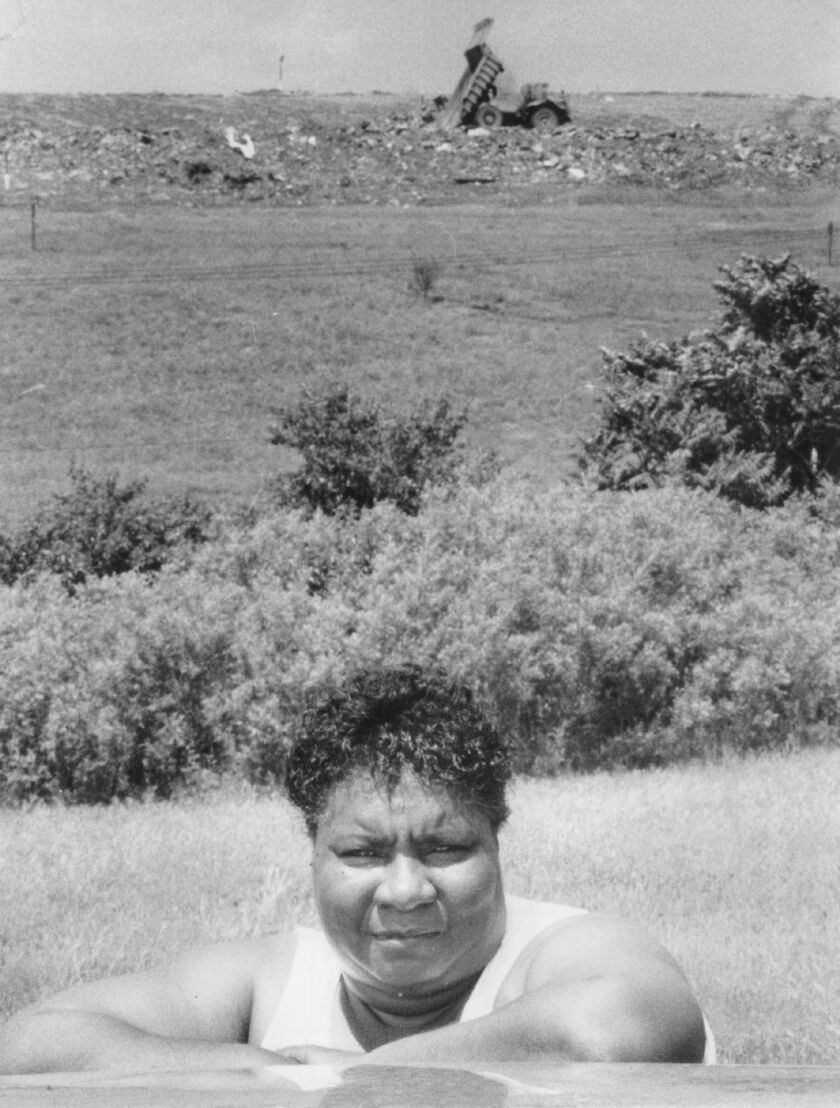
Originally built to house war veterans, Altgeld Gardens eventually became surrounded by industrial plants, landfills, and sewage treatment facilities. For decades, toxic waste piled up in the area, taking a severe toll on the residents’ health. After her husband died of lung cancer in 1969, Johnson noticed a harsh chemical smell in the air, a spike in respiratory illnesses, and a general decline in the community’s well-being. This prompted her to launch her own environmental investigation. She documented numerous cases of chronic illness among her neighbors and discovered that the neighborhood was trapped in the middle of a massive pollution crisis. She famously dubbed the area the “Toxic Doughnut”—a 14-square-mile zone ringed by hazardous emissions. Air, water, and soil pollution, combined with asbestos and high lead levels inside the buildings, created a perfect storm of health hazards.
In 1970, Johnson was elected to the Altgeld Gardens Local Advisory Council, where she served for nearly a decade. She tirelessly held the Chicago Housing Authority (CHA) accountable for the poor living conditions and its blatant disregard for environmental risks.
Founding People for Community Recovery
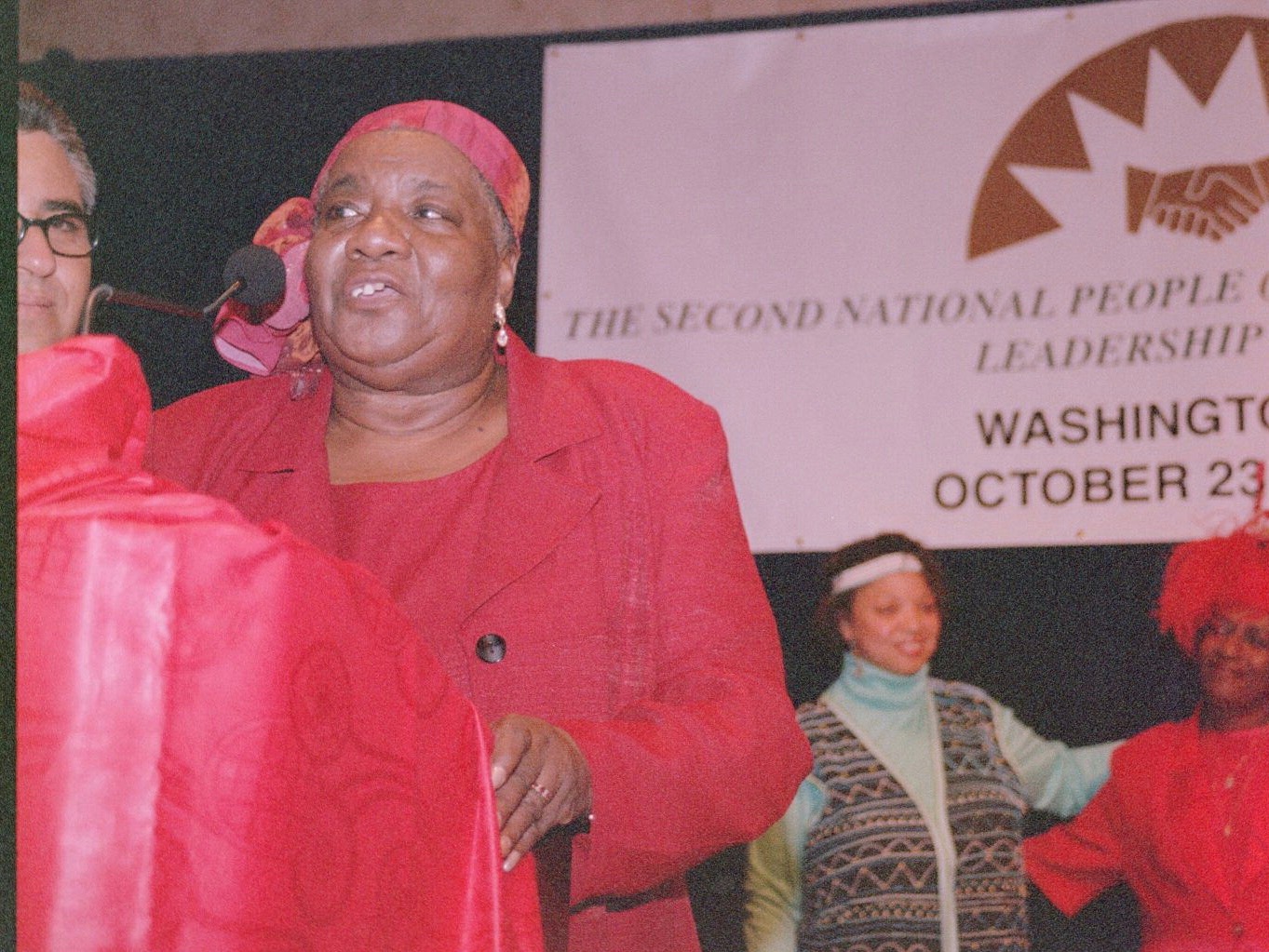
In 1979, Johnson founded People for Community Recovery (PCR), a grassroots organization that became a powerful tool in the fight for residents’ rights. PCR focused heavily on combating environmental racism—the systemic practice of placing hazardous waste and polluting industries near low-income or minority communities. One of their first major victories was securing drinking water tests in the Maryland Manor neighborhood. The results revealed toxic substances, including cyanide, which ultimately forced the city to install new water and sewer infrastructure.
The organization also ran extensive educational programs for Altgeld Gardens residents. Johnson explained the hidden dangers of toxic waste and taught people how to identify local pollution sources. A critical part of her work involved organizing workshops on detecting environmental lead and screening for lead poisoning. She paid special attention to the youth, fostering a sense of environmental responsibility in the younger generation. Furthermore, PCR activists surveyed residents about their health, gathering hard evidence of the disproportionate impact environmental hazards had on low-income families. Johnson even built her own databases tracking resident complaints. A natural educator, she frequently organized “toxic tours” for students—especially from Chicago universities—to show them the devastating, real-world effects of industrial pollution.
Through PCR, Johnson didn’t just fight to eliminate pollution sources; she pushed for higher construction and maintenance standards in public housing. She actively advised government officials on reforming urban planning approaches. She insisted that environmental risks must be evaluated during the early design phases of residential neighborhoods—a concept that was far from common practice at the time. Her work also helped forge vital partnerships between local communities and academic institutions. This gave residents access to independent air and water quality research, strengthening their leverage when negotiating with government agencies and corporate polluters. This approach laid the groundwork for modern models of cooperation between civil society and the state in shaping environmental policy.
Protests and National Recognition
In the mid-1980s, Johnson discovered that the Altgeld Gardens buildings contained asbestos and that hazardous waste, including PCBs, was being illegally dumped in the area. She fearlessly took on massive corporations, including Waste Management.
In 1987, hundreds of protesters blocked the entrance to a local landfill, preventing garbage trucks from dumping waste. Johnson firmly refused financial settlements from these corporations, demanding systemic changes and real, lasting solutions to the crisis instead.
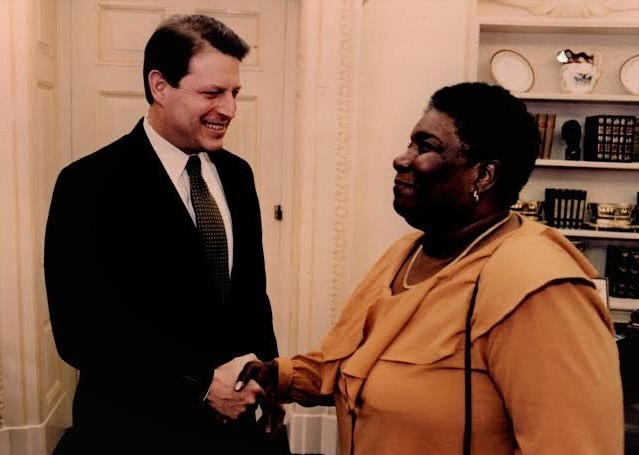
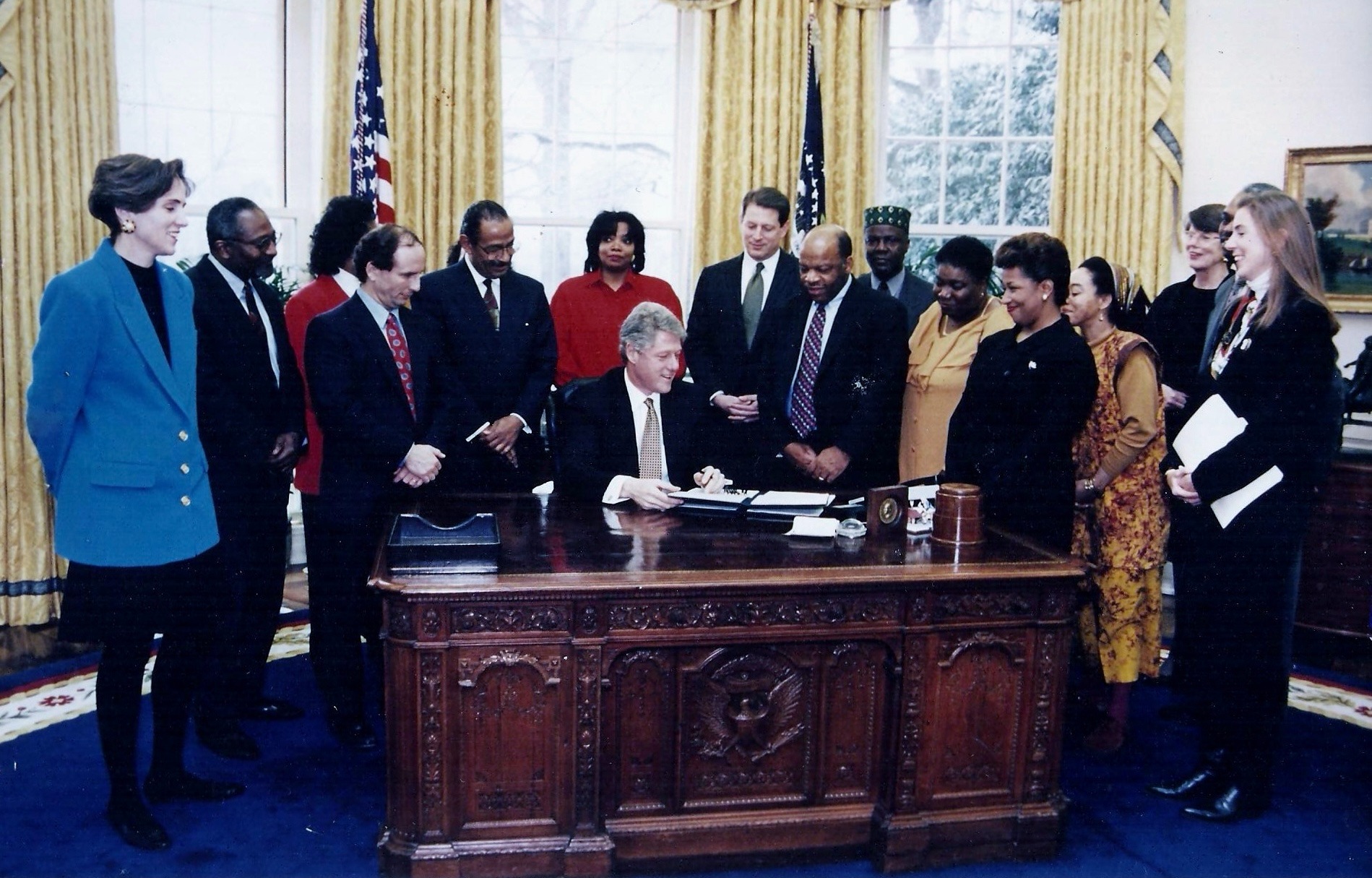
In 1991, Johnson attended the National People of Color Environmental Leadership Summit, where she was officially recognized as the “mother of the environmental justice movement.” It was at this historic summit that the 17 Principles of Environmental Justice were drafted, which still serve as the cornerstone for policy in this field today. By 1994, her influence reached the White House: President Bill Clinton invited her to witness the signing of Executive Order 12898. This mandate required federal agencies to address the environmental impacts of their actions on minority and low-income populations. Notably, one of her early mentees was Barack Obama, who worked as a community organizer in Chicago at the start of his career. Johnson received significant national recognition during her lifetime. In 1992, she was honored with the President’s Environment and Conservation Challenge Award. Additionally, People for Community Recovery was named one of the top 100 environmental groups in the United States.
Hazel Johnson passed away in 2011. Despite the hazardous conditions, she lived her entire life in Altgeld Gardens. Her legacy lives on through her daughter, Cheryl Johnson, who now leads People for Community Recovery. The organization continues to monitor the local environment, support communities, and shape public policy. In 2021, with the backing of local activists, key legislative initiatives promoting climate justice and minority job creation were passed. Johnson’s memory was also honored at the state level when a section of a Chicago street was officially renamed “Hazel Johnson EJ Way.”
Hazel Johnson fundamentally transformed how we understand the environmental movement. She proved that environmental issues are inextricably linked to human rights, social equality, and racial justice. Her tireless advocacy laid the foundation for modern environmental policy in the United States. Her belief that global environmental initiatives are meaningless without focusing on specific, vulnerable communities remains incredibly relevant today. She didn’t just fight the consequences of pollution—she changed the very system that allowed these issues to be ignored in the first place.