

The evolution of heating in Chicago has played a crucial role in shaping and developing the city, as well as improving the quality of life for its residents. The heating system in Chicago has undergone numerous changes, transformations and innovative implementations over the decades before it became what all Chicagoans know in the 21st century. Find more on chicagoname.
How did it all start?
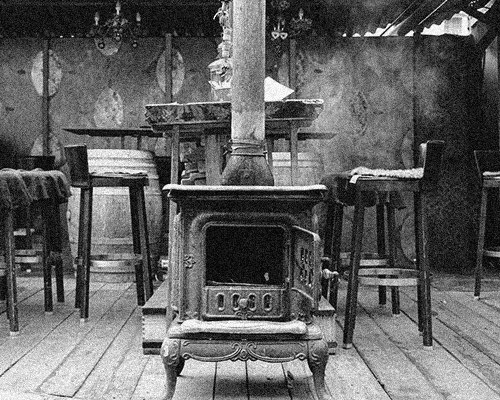
Chicago was founded in 1837, making it much younger than most other American cities. However, despite this, the city developed in parallel with the rest of the United States.
In the 19th century, Chicago was known for its harsh climatic conditions: intense heat in summer, severe frost and blizzards in winter. In addition, strong winds were constantly blowing. This made life challenging for the early settlers in Chicago, as they faced low temperatures without the modern heating conveniences enjoyed by 21st-century Chicagoans. During that time, residents of Chicago had only wood stoves and fireplaces to provide warmth in their homes.
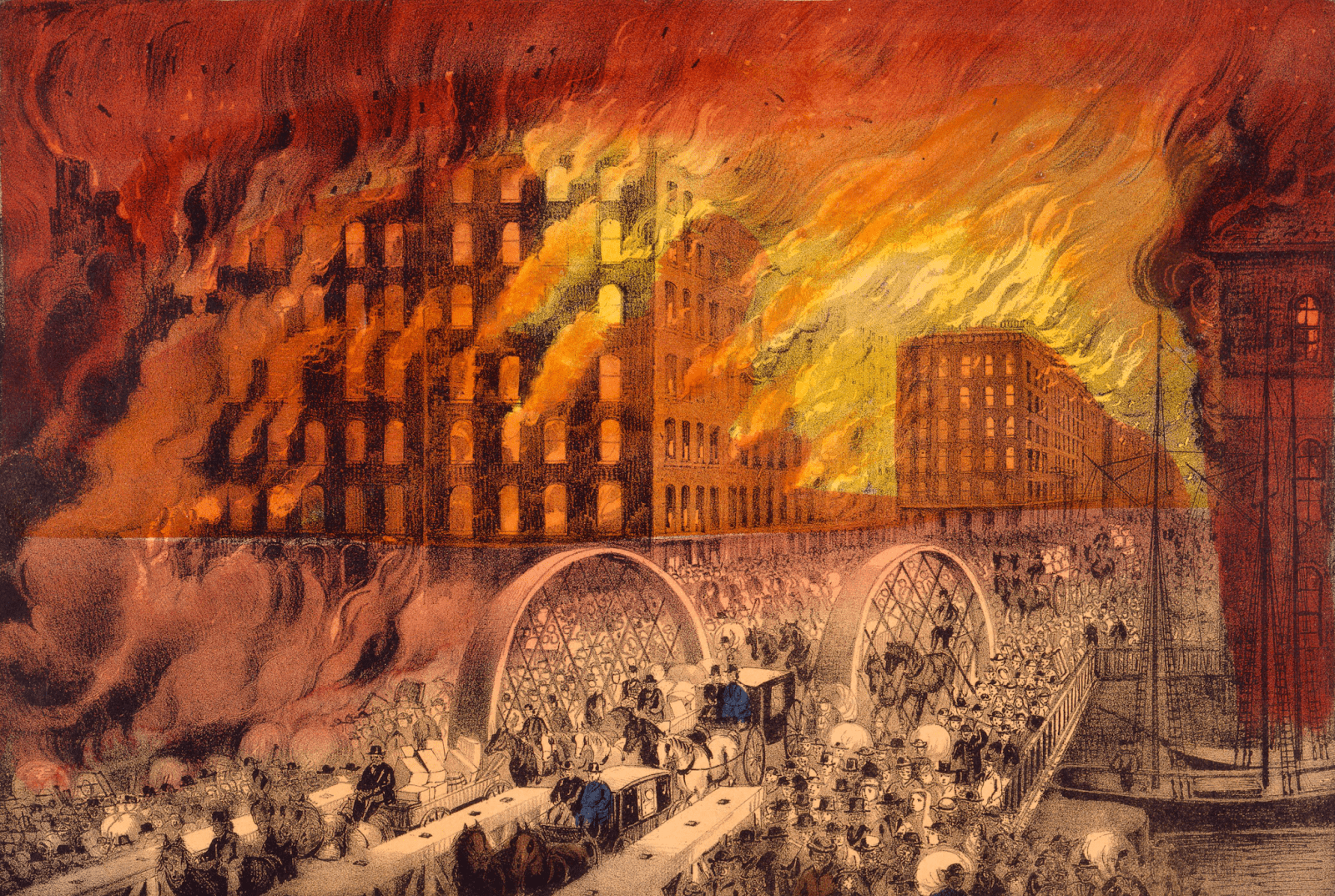
However, in those ancient times, the first buildings constructed in the Chicago area were not insulated enough, which led to significant heat loss. In addition, most structures were made primarily of wood, which caused frequent fires. As the city rapidly grew in the 19th century, there was a need for innovative solutions to meet the increasing demand for heat. That’s how the first centralized heating system in Chicago was born.
What was the first heating system in Chicago?
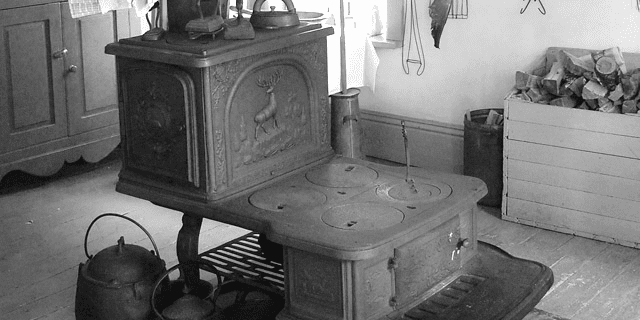
With the advent of the Industrial Revolution in the mid-19th century, Chicago experienced rapid industrialization and urbanization. This era saw a significant shift in heating methods as coal became a popular fuel source. Coal stoves, capable of producing intense heat, became widespread. Steam heating systems using coal boilers were also introduced, providing centralized heating for large buildings and institutions.
The history of radiator heating in Chicago
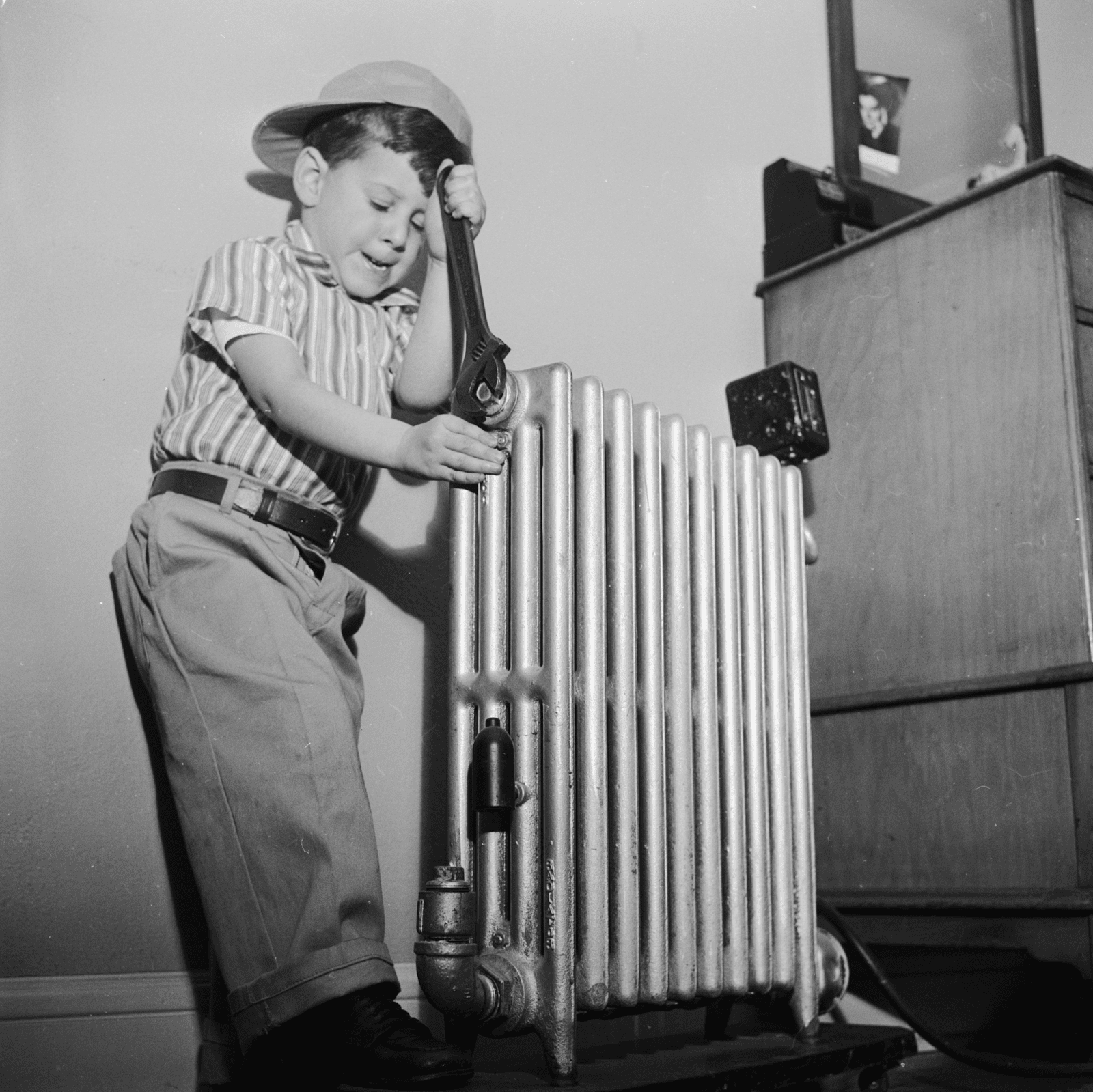
At the beginning of the 20th century, new technologies completely transformed the existing heating system in Chicago at that time. It was then that steam radiators first appeared in Chicago. These cast-iron devices revolutionized room heating by efficiently distributing heat throughout the building. Radiators provided a more comfortable and controlled heating experience, allowing residents to enjoy warmth without the need for constant monitoring of stoves or fireplaces. Many historic buildings in Chicago in the 21st century boast these iconic architectural elements. In particular, such a system can be found in large residential complexes, one of which is located along North Lake Shore Drive.
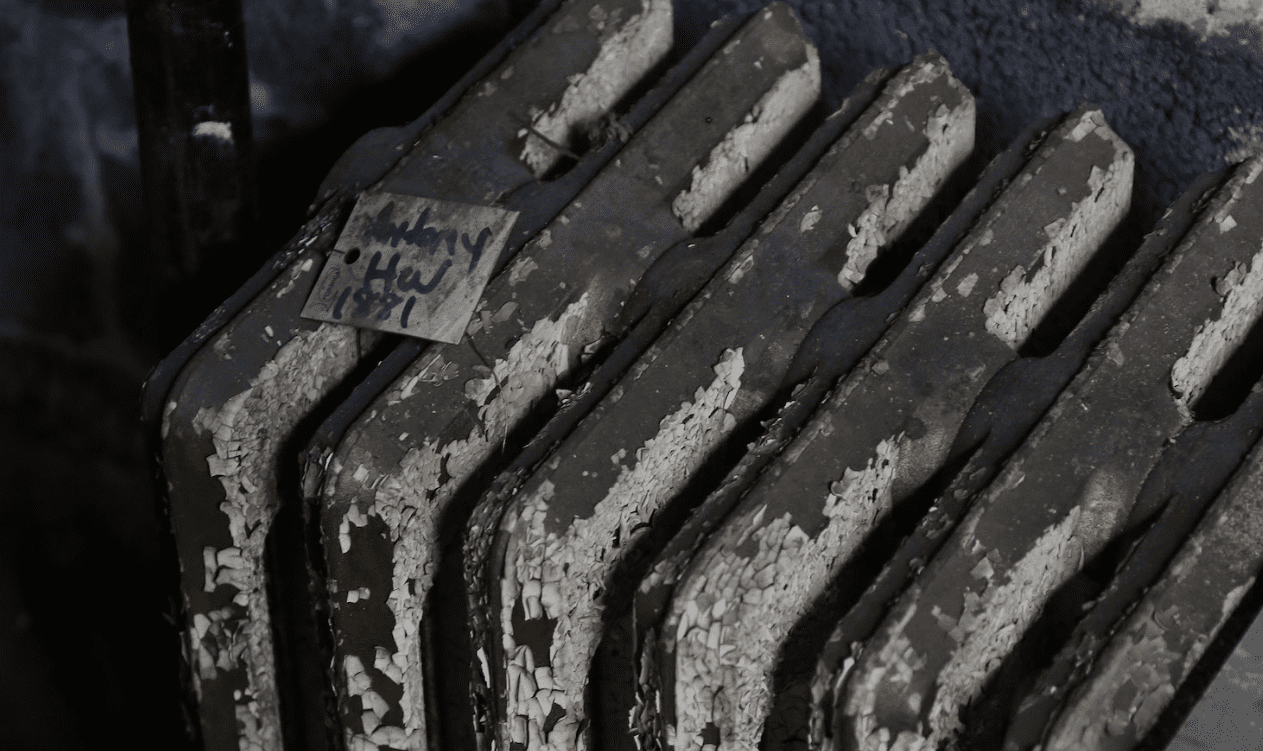
In the 21st century, Chicago still has a fairly high share of steam radiators. At the same time, this share is the highest in New York, as steam heating systems were still being installed there in the 1980s while other cities were switching to more energy-efficient systems.
As Chicago grew into a metropolis throughout the 20th century, technological advances in heating systems continued to progress. Oil and gas furnaces replaced coal-fired units, increasing efficiency and reducing environmental impact. Central heating systems expanded to serve entire neighborhoods and high-rise buildings. The advent of forced-air heating and electric heating systems further improved comfort and energy efficiency by allowing for precise control of home temperatures.
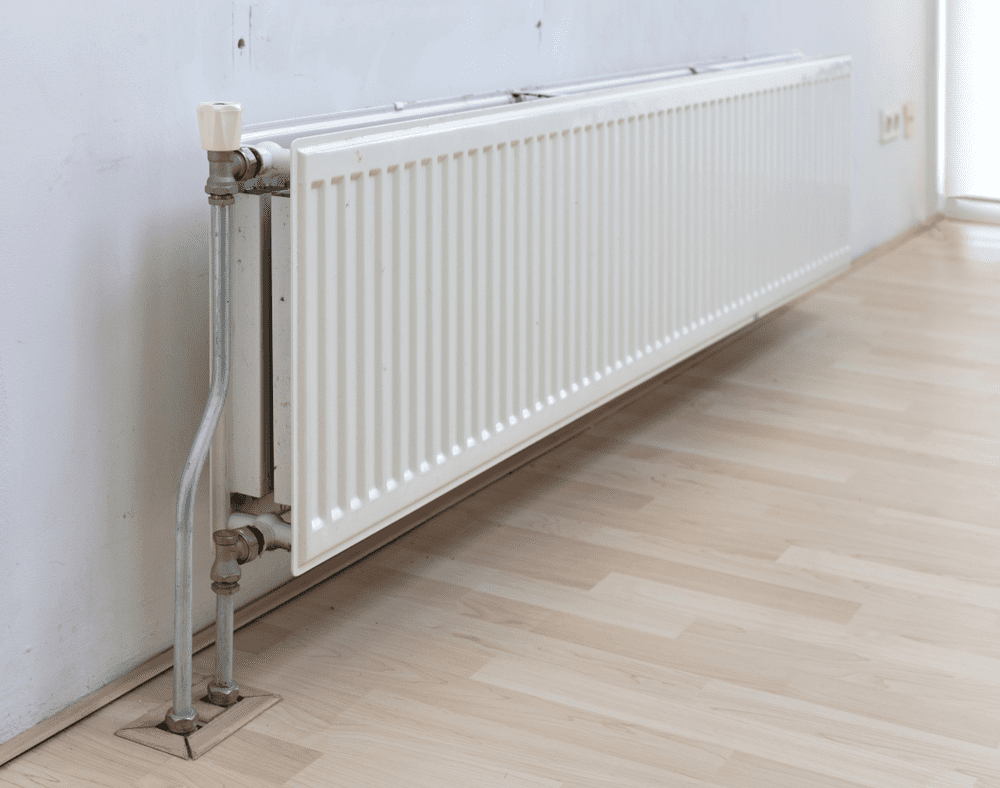
Since the beginning of the 21st century, Chicago, like many other cities in the United States, has started paying special attention to the sustainability of heating systems. Renewable energy sources, such as solar and geothermal, are particularly popular in Chicago in the 21st century. Radiant floor heating systems are becoming more widespread, providing efficient and comfortable heat distribution. Additionally, the city has implemented initiatives on energy efficiency, building codes and regulations to reduce heat loss and promote environmentally friendly methods.
From humble beginnings to cutting-edge technology, the history of heating in Chicago reflects the city’s remarkable growth and resilience. The transition from wood-burning stoves to advanced central heating systems brought immeasurable comfort to Chicagoans, keeping homes warm in the harshest winters.