Chicago is a city with a strong commitment to environmental preservation. According to chicagoname.com, the city has long been dedicated to sustainable development through a variety of special initiatives and programs, writes chicagoname.com.
The Rise of Environmentalism in Chicago
Environmentalism is both a movement to protect the environment and the philosophy behind it. Its roots trace back to the 19th century with conservation and anti-pollution efforts. However, environmentalism didn’t become a widespread, mainstream movement until after World War II. It was fueled largely by the middle class, which demanded clean air and water, as well as the protection of recreational areas.
Another key aspect of the movement was focused on preserving wilderness and protecting biodiversity. The movement gained significant momentum in 1962 with the publication of Rachel Carson’s novel, Silent Spring, which exposed the devastating ecological consequences of pesticide use. Chicago’s environmental movement truly took off with the first Earth Day in 1970, which included a rally at Civic Center Plaza and thousands of students cleaning up litter around educational institutions.
By the mid-1970s, the federal government had passed crucial environmental laws, including the Wildness Act of 1964 and the Clean Air Act of 1970.
Citizen Efforts to Improve the City’s Environment
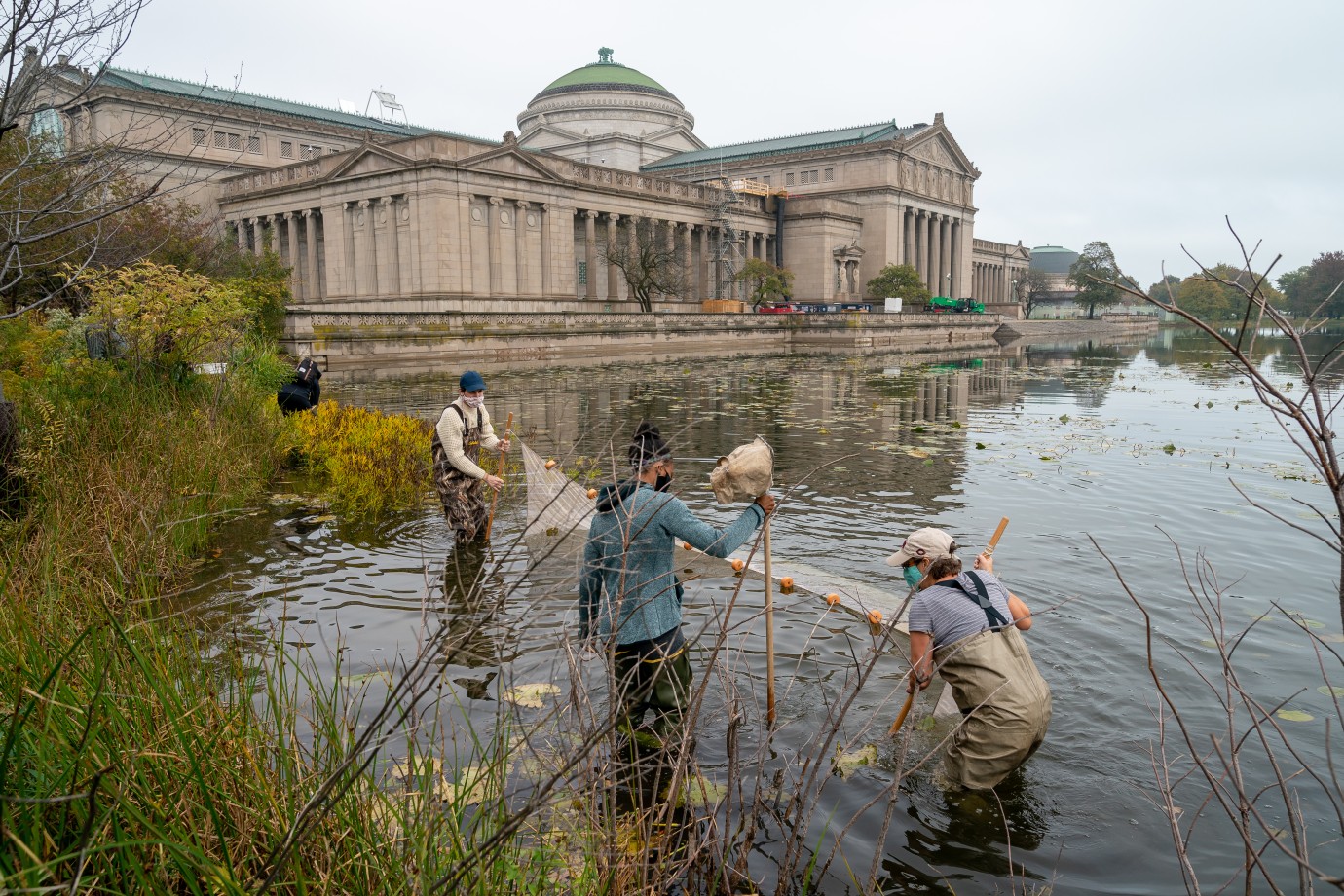
Chicago residents have a long history of taking action to improve their city’s environment. As far back as 1854, residents protested a cholera epidemic caused by a poor sewer system, demanding a cleaner city. Over the next two decades, this sanitation reform movement led to the construction of new sewer systems, the raising of street levels to prevent flooding, and even the reversal of the Chicago River’s flow to prevent sewage from contaminating Lake Michigan.
In the 1860s, local business leaders supported the creation of city parks, recognizing their value for public well-being. These efforts led to the establishment of landscaped parks like Jackson, Washington, and Lincoln Park.
In the early 20th century, industrial pollution became a major concern for activists. The Anti-Smoke League, for example, pressured railroads to reduce their smoke emissions. At the same time, workers complained about the foul stench from Bubbly Creek, a polluted river that ran through Packingtown.
Others approached environmental improvement from a different angle, advocating for urban planning. Daniel Burnham’s famous 1909 Plan of Chicago envisioned an orderly, beautiful city filled with parks and scenic landscapes.
Chicagoans also expressed concern for the environment outside the city limits. In 1922, Will Dilg helped establish the Izaak Walton League, a conservation organization for outdoor enthusiasts. Headquartered in Chicago, the league quickly became the first national environmental organization with a mass membership, drawing support primarily from the Midwest. As an avid fisherman, Dilg made the league a powerful voice for protecting wetlands. One of its first major achievements was lobbying Congress to create a large wildlife refuge to protect the upper Mississippi River.
Local activists also played a leading role in preserving the Indiana Dunes. As early as 1914, the Chicago Council on Conservation worked to save the unique dunes. Since then, Chicagoans have been instrumental in the creation and expansion of the Indiana Dunes State Park.
With rising incomes, longer vacations, and more cars in the 1950s, more city residents began traveling to nearby natural areas for recreation. The forests and waterways of Wisconsin became favorite destinations. One estimate from 1959 suggests that about a quarter of Chicago-area residents stayed overnight in Wisconsin vacation spots. The majority chose state parks, and this influx of visitors from the south pressured the state government to allocate funds for recreation and conservation, a trend that soon spread across the country.
Past Environmental Organizations and Projects
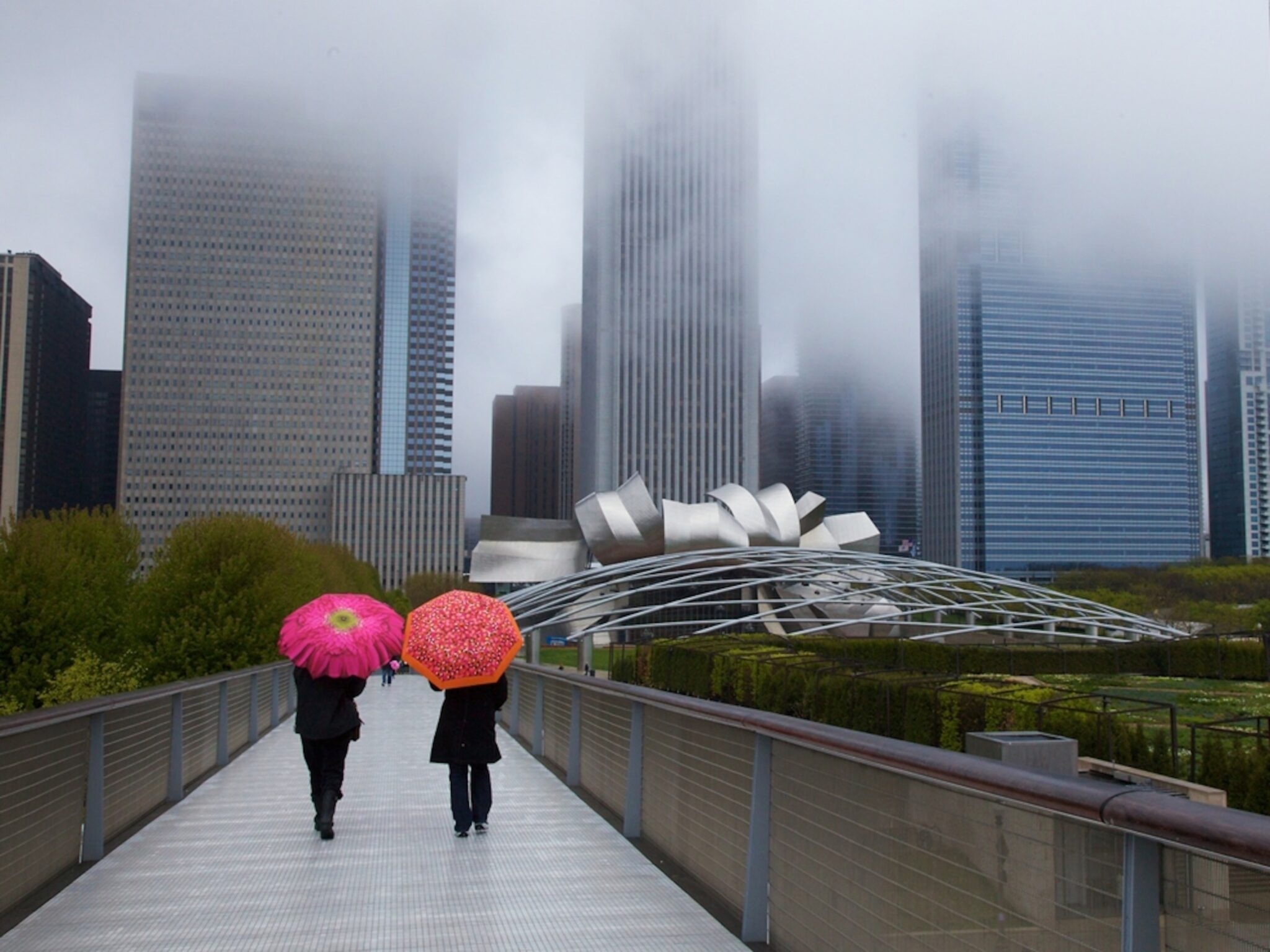
Protecting Lake Michigan has been a central focus for Chicago activists since the 1960s. Faced with the threat of industrial pollution to beaches, fisheries, and drinking water, activists demanded urgent government action. In 1967, the Chicago Tribune launched its “Save Our Lake” campaign, which not only garnered widespread support but also compelled authorities to develop specific plans to clean up pollution in the Calumet area.
Chicago’s environmentalists continued to work through a range of interest groups, some tackling global issues and others focusing on regional concerns. For example, the Citizens for a Better Environment community has been addressing pollution and public health issues since 1971. The Openlands Project is dedicated to preserving recreational areas. Some local environmental groups have focused on restoring natural ecosystems in the Cook County Forest Preserve.
Since the 1970s, Chicagoans have also been fighting for environmental justice, working to end the practice of placing toxic waste sites predominantly in minority neighborhoods.
Key Environmental Initiatives in Modern Chicago
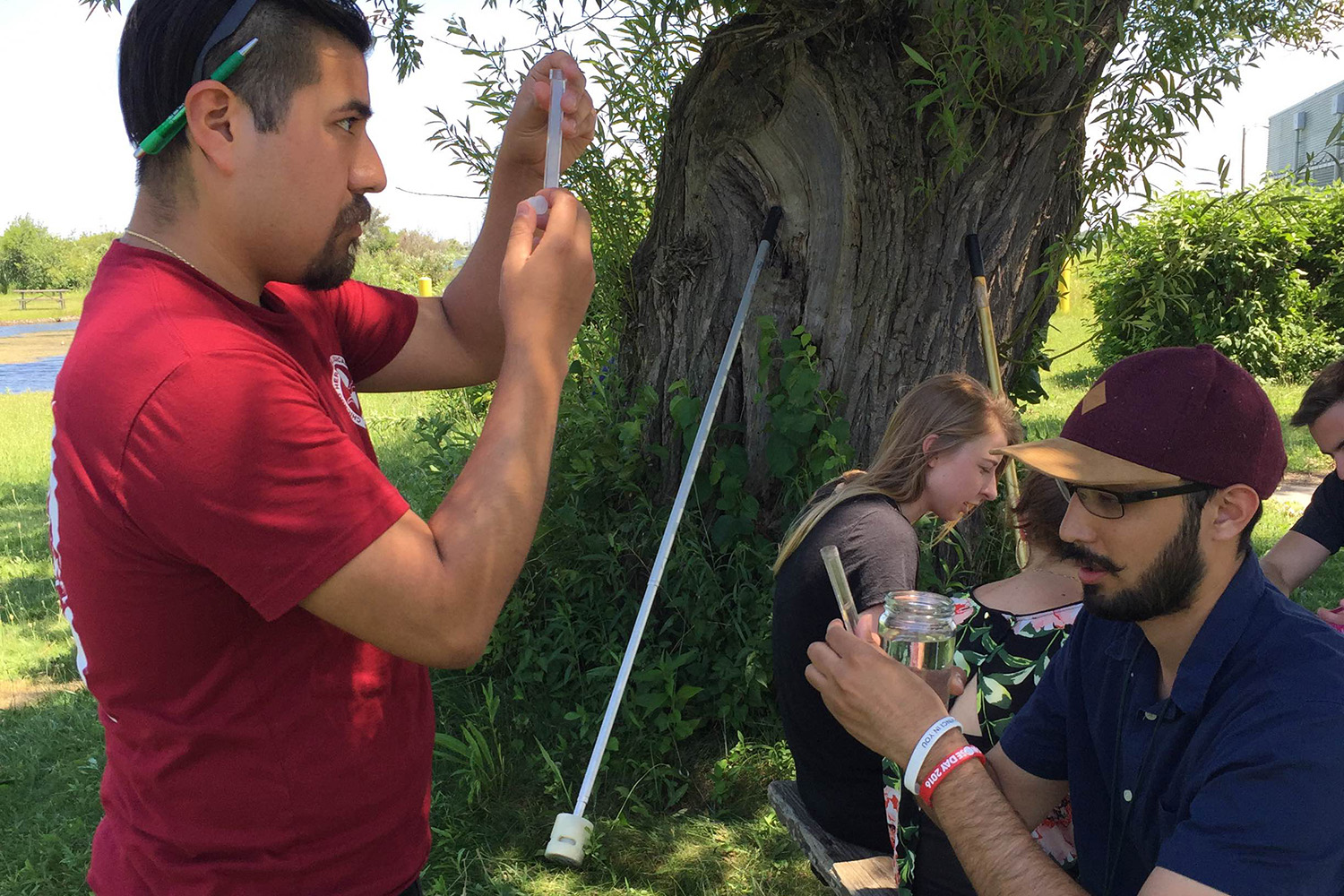
In 2008, Chicago became a pioneer in developing a Climate Action Plan. The plan has been updated multiple times to reflect the city’s evolving climate protection goals. It prioritizes reducing carbon emissions and also emphasizes environmental justice, household resilience, and public health. The goal is to reduce carbon emissions by 62% by 2040. The plan involves collaboration with various stakeholders, including community leaders and researchers.
Chicago is also actively implementing a Green Recovery Strategy to strengthen communities, help residents, and improve the quality of life in the city. Chicago is focused on several key strategies:
- A comprehensive Climate Action Plan.
- Building zero-carbon buildings.
- An electricity franchise agreement.
- A plan for the clean energy transition.
Additionally, the city is committed to ensuring that environmental initiatives benefit all residents equally. The Chicago Department of the Environment leads the charge in addressing climate and environmental priorities fairly. The city is working on initiatives like programs to replace lead service lines to eliminate environmental hazards in vulnerable communities.
Chicago is also actively expanding access to green spaces, promoting urban agriculture, and improving the environmental performance of new developments. The city has developed several plans to improve waterfront access and expand natural habitats for various animals and birds.
In conclusion, Chicago is committed to sustainable development through a multitude of initiatives, including implementing green building standards and promoting urban agriculture. All these efforts make the city cleaner and more livable.