Ernest Just, a pioneering American biologist and educator, made groundbreaking contributions to the fields of developmental physiology, including fertilization, experimental pathogenesis, hydration, and cell division. We’ll delve into his life and legendary work on chicagoname.com.
Early Life and Research
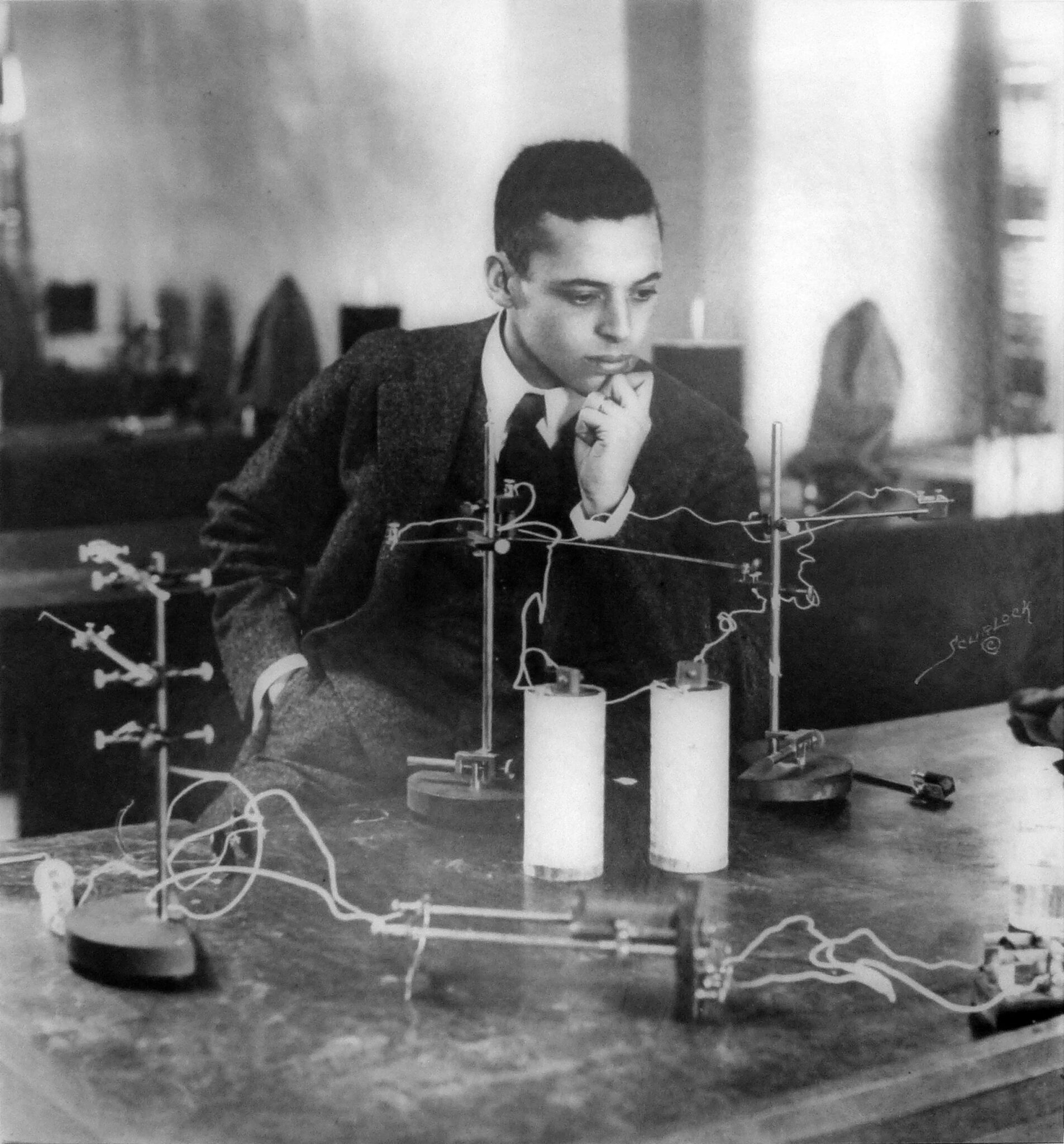
Born on August 14, 1883, in Charleston, South Carolina, Ernest Everett Just was the son of Charles and Mary Just. As a boy, he was intelligent and inquisitive, excelling in school. He attended the Kimball Union Academy in New Hampshire and later Dartmouth College.
It was during his college years that Ernest’s interest in biology blossomed after reading an article about fertilization and egg development. A gifted student, he earned high marks in Greek and was named a Rufus Choate Scholar for two consecutive years. He graduated with honors in 1907. In 1909, Just began working as a research assistant at the Marine Biological Laboratory (MBL). He was a trailblazer, becoming the first African American to study and work at the prestigious institution.
Under the mentorship of Frank Lillie, Just dove into his studies and research with great enthusiasm. Focusing on embryology and fertilization, he studied the eggs of sea urchins and marine worms, as well as the complexities of cell division. This work led to his first publication in 1912. The widely cited paper, which demonstrated that the point of sperm entry determines the first plane of cell division, became a foundational and authoritative text on cleavage in marine eggs. Just was soon promoted to research staff at the MBL, where he continued his work with eggs. Notably, he collected his own samples aboard the vessel Cayadetta and became a go-to expert on handling and caring for marine invertebrates and their eggs.
A Career Takes Flight
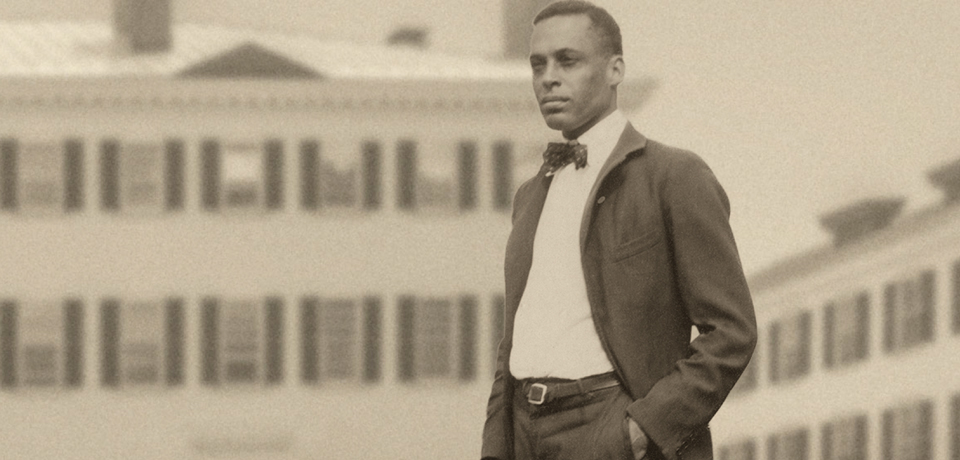
While serving as a professor at Howard University, Just was appointed head of the new Department of Zoology. He later took a sabbatical and enrolled in a Ph.D. program at the University of Chicago. Amidst racial and class unrest, Ernest completed his coursework and wrote his dissertation on the reproduction of Nereis limbata and Platynereis megalops, as well as the fertilization reaction in the sand dollar.
Recognizing Just as an innovative scientist, the National Association for the Advancement of Colored People (NAACP) awarded him the inaugural Spingarn Medal in 1915, making the scientist a role model for countless African American students.
In 1916, Just earned his Ph.D. in zoology and physiology from the University of Chicago and returned to the MBL as a research fellow. From that point on, he worked tirelessly on his research, even through the difficult aftermath of World War I. He focused his work on the structural changes and surface reactions of the egg cell during fertilization.
Despite becoming a globally recognized scientist, Just was unable to secure a position at a major institution in the United States due to his race. He sought opportunities to continue his research abroad, working at the Zoological Station in Italy, the Kaiser Wilhelm Institute in Berlin, and the Botanical Station in France. There, his perspective broadened, and he became more philosophical, weaving his scientific discoveries with his ideas about life.
Later Years and Achievements
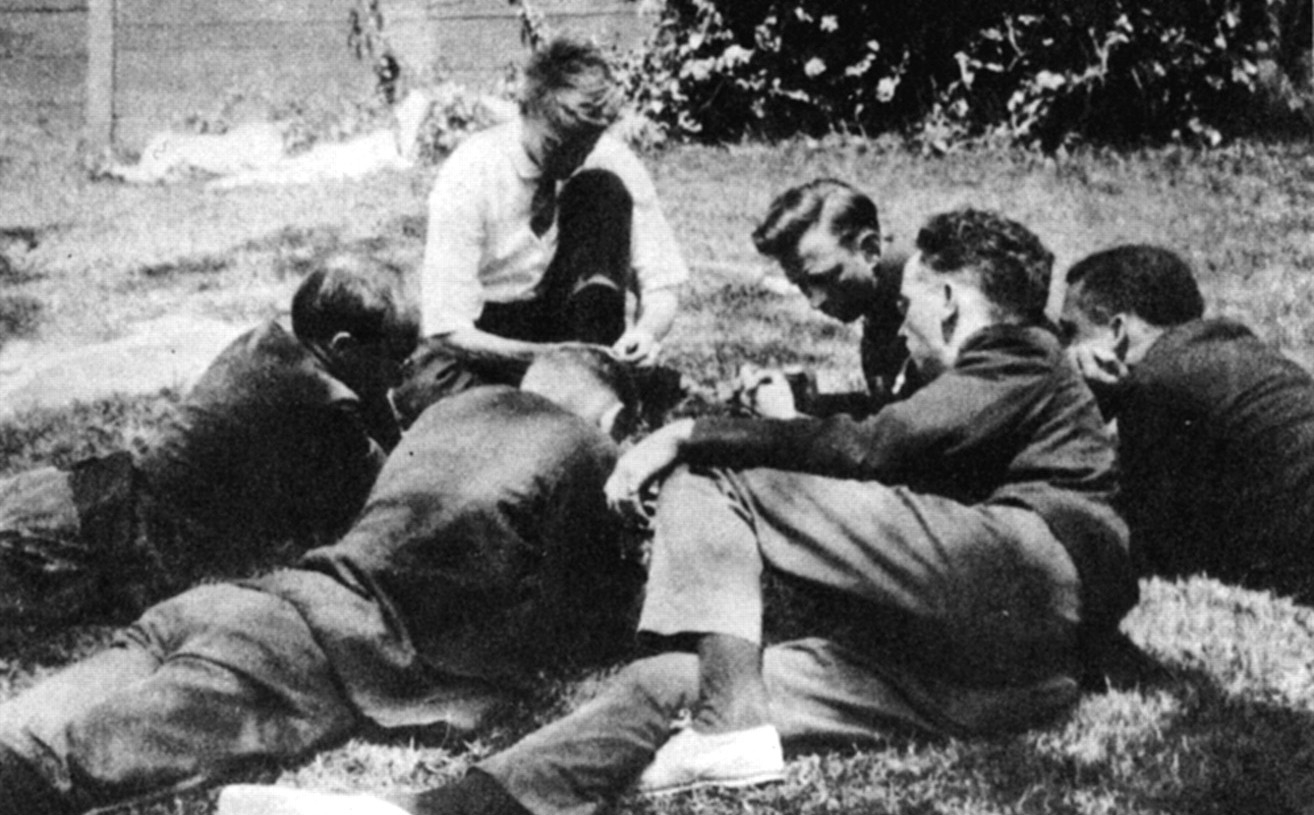
After experiencing the freedom to pursue research in Europe—an opportunity that was impossible in the segregated United States—Just publicly criticized the attitudes and limitations he faced at the Marine Biological Laboratory. He made the decision to stay in Europe. At the start of World War II, Ernest was briefly imprisoned in a prisoner-of-war camp before being rescued by the U.S. State Department in 1940.
During the more than 20 summer seasons he spent at the MBL, Ernest became known as a genius in designing and executing experiments. He published numerous methods for working with eggs and embryos in the journal The Biological Bulletin, later compiling them into a book. Among his most significant achievements were:
- Developing Lillie’s fertilization theory.
- Pioneering experimental pathogenesis.
- Exploring the reproduction of marine invertebrates.
Throughout his career, Ernest Just published more than 70 scientific papers and became an editor for the journal Physiological Zoology in 1929. In 1930, he joined the editorial board of The Biological Bulletin and was elected president of the American Society of Zoologists. In his 1939 book, The Biology of the Cell Surface, he summarized his findings, making complex scientific concepts accessible to a wider audience and influencing scientists worldwide.
Ernest Just died of pancreatic cancer in Washington, D.C., in 1941. Forty years after his death, his achievements began to receive the recognition they deserved. Numerous books have been written about the scientist, the U.S. Postal Service released a commemorative stamp in his honor, and many awards and symposia have been established in his name.