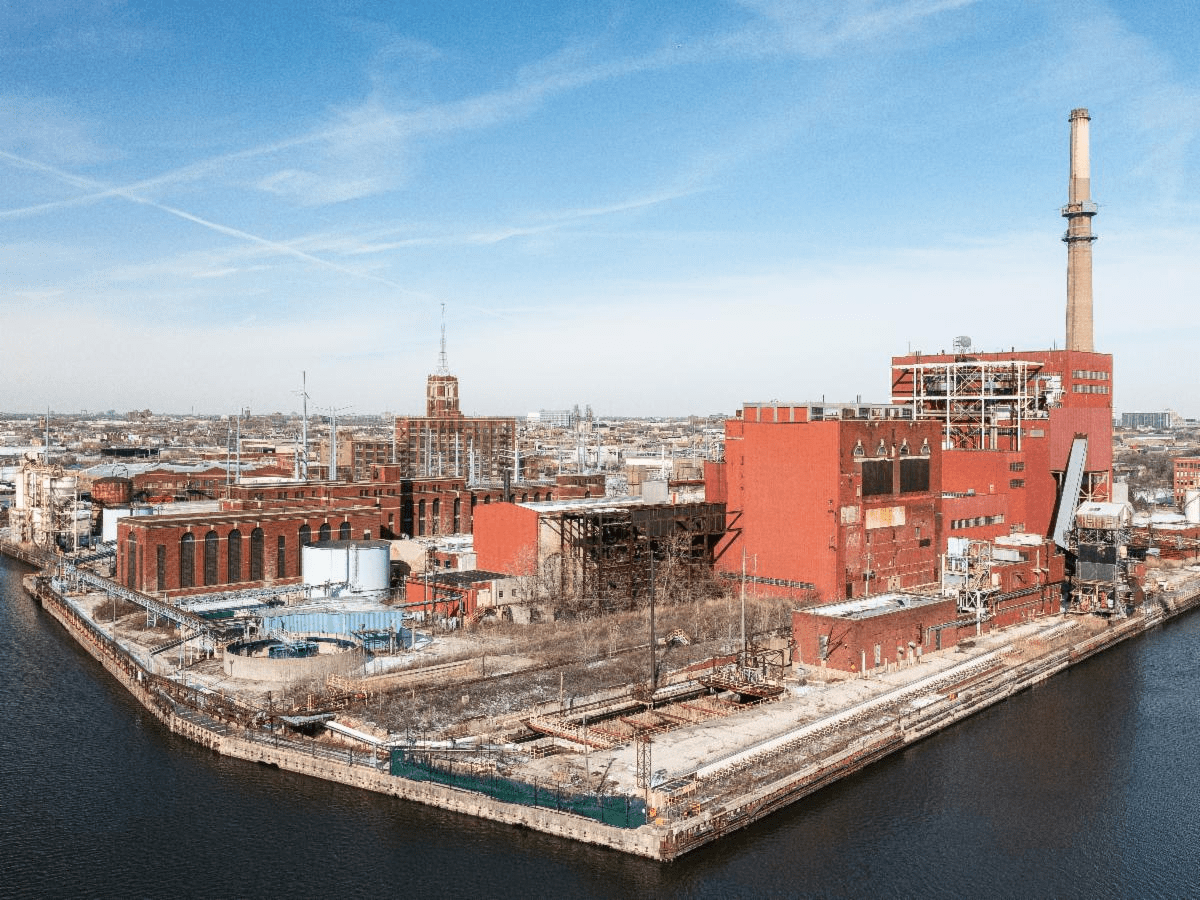
Fisk Station, a historical power plant that has withstood the test of time, is located in Chicago. As one of the city’s oldest power plants, Fisk Station played a crucial role in influencing the development of Chicago and supplying it with lighting. The station has a fascinating history, as do its operational features and the issues it encountered during its service. Find out more information at chicagoname.
History of the Chicago power plant
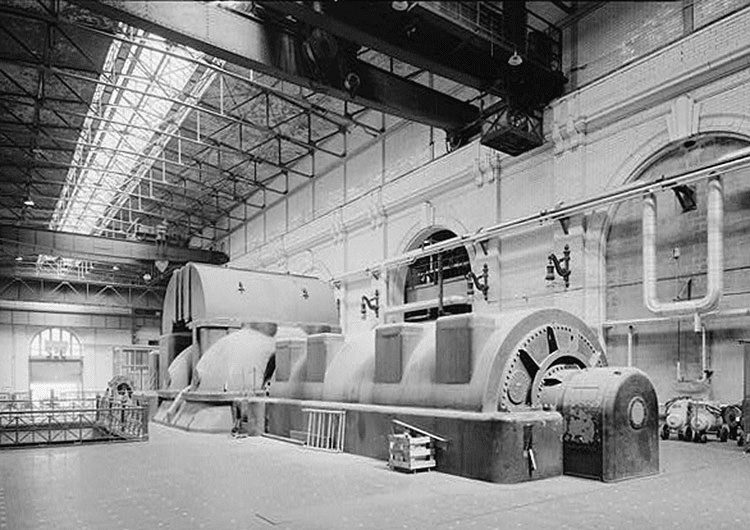
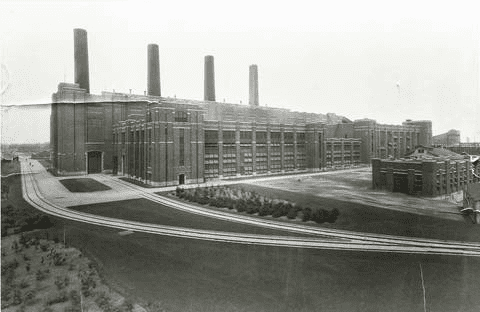
Fisk Station was established in 1903. It had a significant role in Chicago’s energy history. Initially, the station was operated by Commonwealth Edison. In the early 20th century, Fisk Station was a leader in supplying power to a rapidly expanding metropolis. The station was a symbol of growth in Chicago. It has provided lighting for streets, homes and businesses since the 20th century.
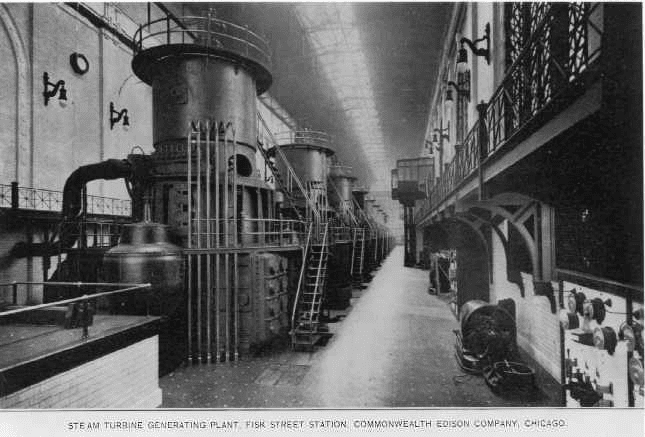
The success of Fisk Station was undeniable. The early 20th-century technology utilized at the factory produced twice as much energy as any steam engine ever constructed. Fisk station turbines were capable of reaching up to 80% energy efficiency. This was far superior to Commonwealth Edison’s piston system. Furthermore, because the engines turned 10 times quicker than piston units and weighed ten times less, the station required less maintenance, which was a big benefit at the time. The technologies utilized in Fisk Station were a true engineering miracle. Turbine blades were the first manmade devices to move at speeds faster than the speed of sound. Thanks to the innovative technologies used at the Fisk Station, electricity for the residents of Chicago became more affordable, reliable and cheaper.
Overcoming obstacles and adjusting to changing trends
During the 20th century, Fisk Station faced many challenges, including the need to upgrade its infrastructure and bring it in line with increasing environmental regulations. As the city developed and environmental awareness rose, the facility encountered issues with emissions and public health implications. At the time, Chicago established stricter rules and regulations that required a switch to clean energy production.
Implementation of environmentally friendly technologies
Fisk Station completed extensive remodeling initiatives to address environmental issues. To decrease its environmental effect, the power plant employed cutting-edge technology such as improved pollution control systems and cleaner fuel sources. These measures not only secured compliance with environmental requirements but also pointed out Fisk Station’s dedication to the concepts of sustainable development. Nonetheless, Chicago’s old power plant eventually lost its capacity to compete with new electrical providers that used natural gas and followed strict ecological regulations. As a result, Fisk Station ceased operations in August 2012. Furthermore, at the beginning of the 21st century, Fisk Station was on a list of American factories that had a negative impact on people’s health. For example, in 2002, the Harvard School of Public Health announced that their research discovered that regions near this ancient coal-fired power station provided significant health hazards, including higher mortality and asthma incidence.
After it was shut down, Fisk Station became a symbol of Chicago’s energy evolution. The station demonstrates the city’s expansion and evolution over the last century.