

In terms of the meat industry, Chicago has a long history. At the center of this story is the Yards, a renowned meat packaging and processing center. For many years, it symbolized Chicago’s industrial might and cultural impact. The Yards have played an important role in developing the city’s identity and transforming the meat processing industry for many decades. Find out more at chicagoname.
Chicago’s meat processing industry
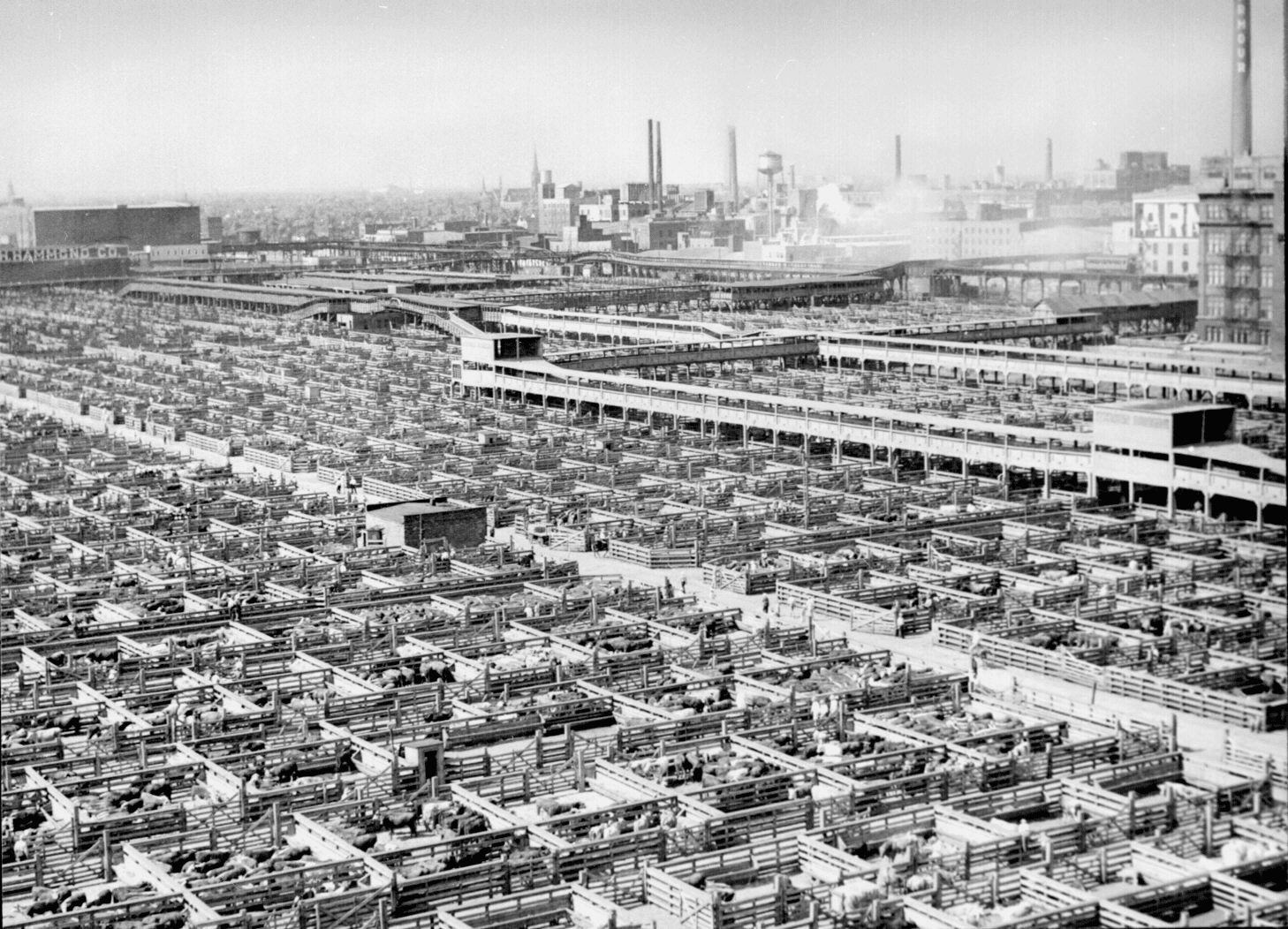
In the late 19th century, due to its strategic position between the ranches of the West and the markets of the East, Chicago developed into a thriving livestock trading hub. It was during this era of rapid growth that the Yards was founded. In 1865, the Union Stock Yard & Transit Co. opened its doors to the public. The company was founded in a swampy area south of Chicago. This massive facility spanned over 475 acres and had leading-edge facilities such as slaughterhouses, packing workshops and cold storage facilities. Thousands of people were working at the livestock factory. As a result of the Yards’ operations, it grew to become the world’s largest livestock market.
The growth of the Yards and the meat processing industry in Chicago
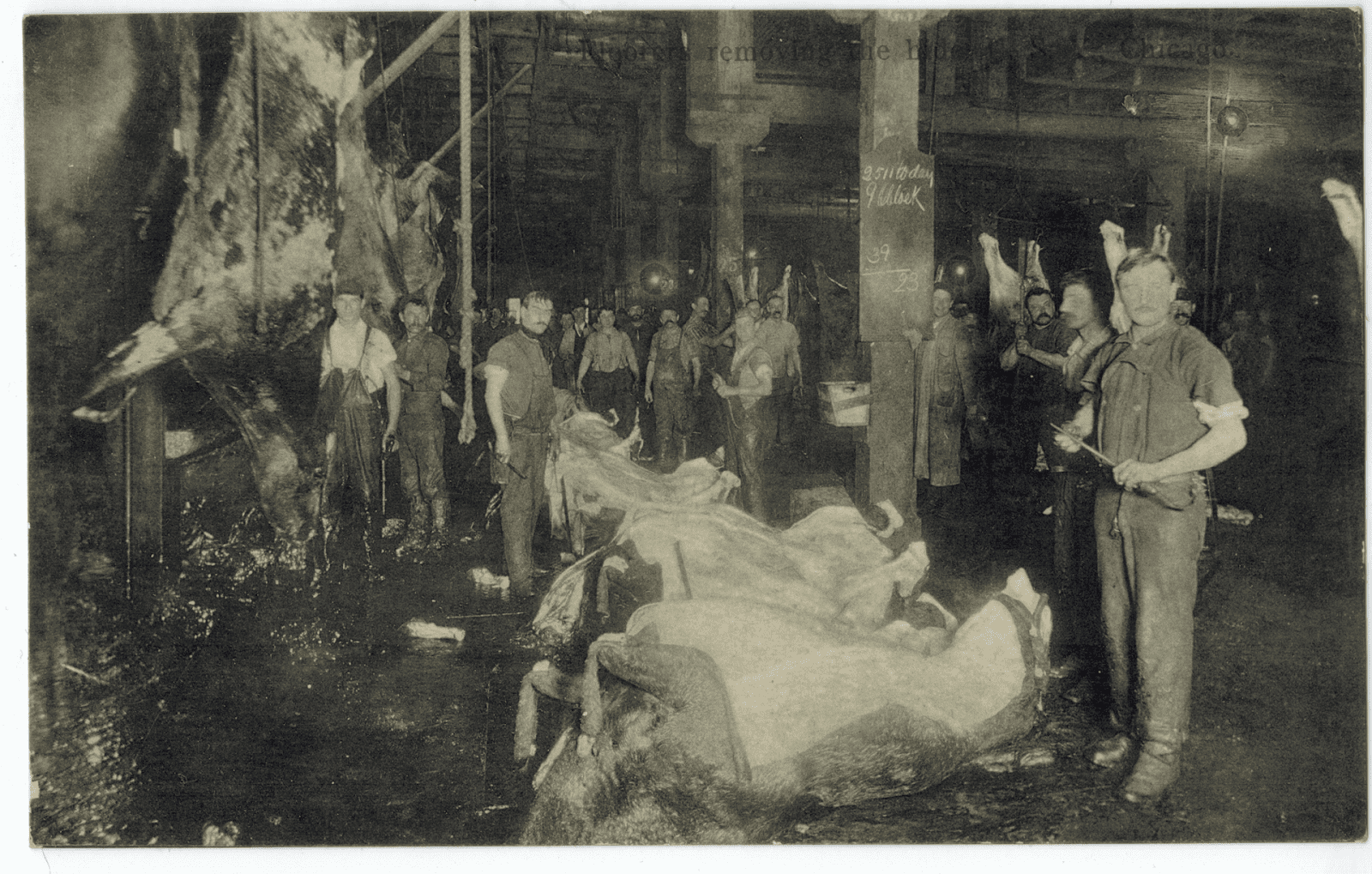
The Yards became the epicenter of exponential growth, transforming Chicago into a worldwide meat processing hub. The introduction of refrigerated wagons transformed the industry by allowing fresh meat to be delivered across large distances. In the late nineteenth century, the region also became an intersection of different cultures as immigrants arrived to work in slaughterhouses and meat processing factories. As the demand for meat increased, the Yards’ workforce expanded continuously until it peaked in the early twentieth century.
Slaughterhouses in Chicago became synonymous with technological advances and industrial growth of the 19th century. Gustav Franklin Swift, the meat processing industry’s leader at the time, introduced the assembly line, which revolutionized meat production and distribution. The implementation of strict sanitary regulations had also helped to improve the quality and safety of meat products. This was sparked in part by Upton Sinclair’s novel “The Jungle,” which depicted the brutal reality of the meat processing business, namely unsanitary conditions and labor exploitation. Following its publication, the public outrage resulted in dramatic changes to food safety standards and working conditions at the Yards. This was a watershed moment in the history of the meat processing industry.
Throughout the twentieth century, the Yards continued to evolve, offering technological breakthroughs in cooling, transportation and recycling. By the mid-twentieth century, conveyor technology and mechanization had transformed the sector, enhancing production and efficiency. However, owing to shifting market conditions, the Yards’ glory started to decline in the second part of the twentieth century.
The fall of the Yards was marked by shifting industrial dynamics, labor issues and the decentralization of meat-packing operations after the mid-twentieth century. Modern transportation and refrigeration techniques had decreased the necessity for centralized meat markets. The facility closed in 1971, marking the end of an era.
Despite the fact that the livestock factory was shut down, the Union Stock Yard became a symbol of Chicago’s meat industry. After all, this meat packaging and processing center in Chicago possesses significant historical value, signifying the emergence and evolution of America’s meat packing industry. It has had an immeasurable influence on Chicago’s growth and identity. In the 21st Century, the Yards’ main entry arch serves as a reminder of its rich history. The neighborhood surrounding the Yards has been renewed, with warehouses converted into residential lofts and art workshops, retaining the region’s architectural legacy. In the present day, the region west and south of the industrial park is known as Back of the Yards and is home to an expanding immigrant community.