

The city of Chicago is renowned for its rich culture, architectural and historical heritage, industry, and much more. Its history is also closely intertwined with the waters that surround it, particularly the fishing industry, which has gone through a fascinating journey of development and decline. Various factors, from industrialization to environmental issues, have influenced its rise and fall. Find more on chicagoname.
The historical origins of fishing in Chicago
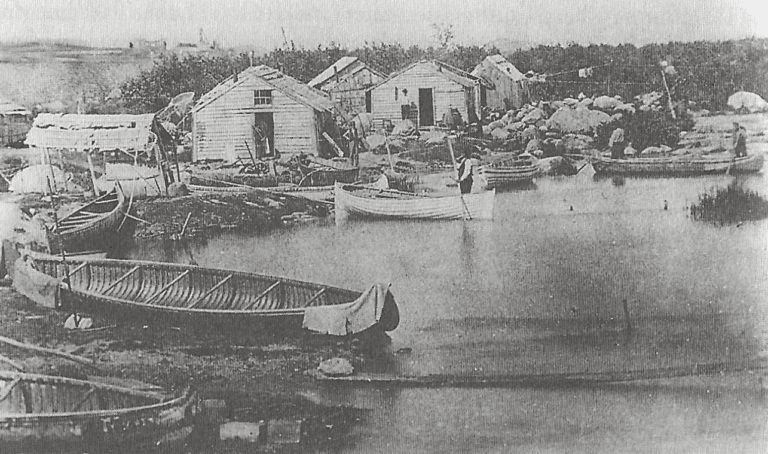
Chicago’s fishing industry has a long history that dates back to the indigenous peoples of the region. The region’s abundant water resources, including Lake Michigan and the Chicago River, served as fertile fishing grounds and supported a thriving fishing industry.
Indigenous American tribes such as the Potawatomi and Ojibwe were engaged in fishing in this area long before the arrival of European settlers. The tribes fished the Chicago River and Lake Michigan, relying on them as an important source of food.
Commercial fishing
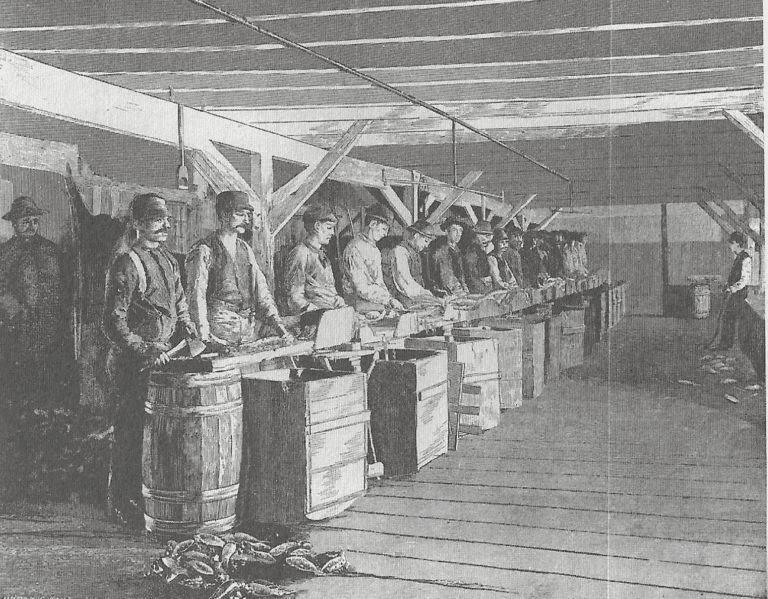
In the early 19th century, as Chicago began to grow as a settlement, commercial fishing organizations started to emerge. Immigrants from European countries with fishing traditions, such as Sweden, Norway and Germany, were instrumental in establishing industrial fishing. They employed fishing methods passed down from generation to generation to catch various species of fish, including lake trout, chub, whitefish, perch and salmon.
With its abundance of freshwater resources, Lake Michigan became a vital source of fish and the basis for early settlements. Small-scale industries flourished as immigrant fishermen from European countries brought their experience and traditional fishing methods to the city’s shores. The industry grew, meeting local demand and contributing to the economic growth of Chicago.
With the development of railroads and the opening of the Illinois and Michigan Canals in the mid-19th century, the fishing industry in Chicago expanded rapidly. Fishermen were able to transport their catch more efficiently, allowing for wider distribution to markets in and beyond Chicago. Ice harvesting also became an essential part of the industry, as ice was necessary for preserving fish during transportation.
At that time, fish markets and processing facilities began to flourish in Chicago to meet the increasing demand for fish. The South Water Market, founded in the 19th century, became a major center of fish trading. Processing facilities were also built along the waterfront, where fish were cleaned, filleted and packaged for shipment to various markets.
The decline of the fishing industry in Chicago and environmental problems
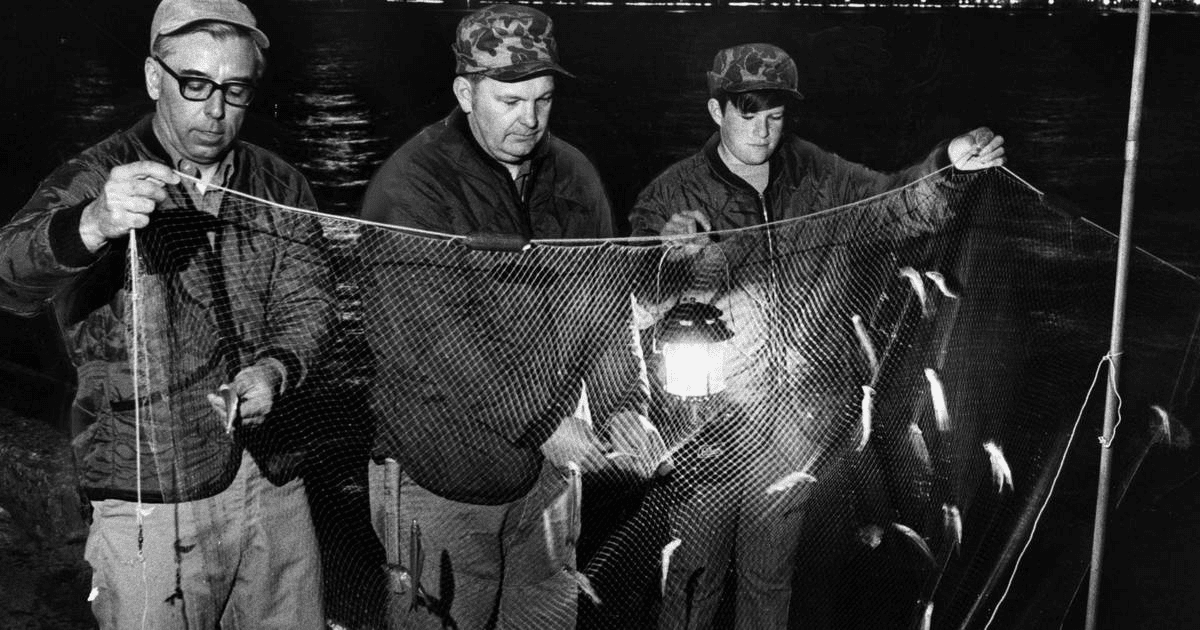
In the mid-20th century, Chicago’s fishing industry faced issues with water pollution and overfishing. The Chicago River, once a thriving fishing ground, became heavily polluted, affecting the fish population. Additionally, the introduction of non-native species, such as sea lamprey, negatively impacted local fish populations in Lake Michigan.
Therefore, regulatory measures were taken in Chicago as early as the 20th century to protect fish populations and improve water quality. The establishment of environmental regulations, such as the Clean Water Act in 1972, aimed to reduce pollution and restore the ecological balance of waterways. Efforts were also made regarding stocking and controlling invasive species to promote sustainable fishing practices.
While the commercial fishing industry declined in Chicago during that time, the popularity of recreational fishing soared. Many Chicagoans, as families, enjoy fishing as one of their recreational activities in the 21st century. Furthermore, in the 21st century, Chicago even offers charter services for fishing enthusiasts. These services provide guided fishing trips with all the necessary equipment. They have gained incredible popularity among both locals and tourists.
In the 21st century, commercial fishing in Chicago is not as developed as in previous centuries, but despite this, fishing remains a popular pastime for locals. Fishermen can be found along the shores of Lake Michigan, near the Chicago River and in nearby reservoirs. Fish such as salmon, trout and perch are caught in Chicago.