

The American industrial history of the 19th century is marked by an era of transformation, especially for the city of Chicago. At that time, the city was a true industry center and a global transportation hub. In addition to this, in the 19th century, Chicago had a lesser-known underground sphere of activity. It was a fascinating period of coal mining in the Chicago suburbs in the 1800s. Find out more at chicagoname.
The rise of the Chicago coal industry
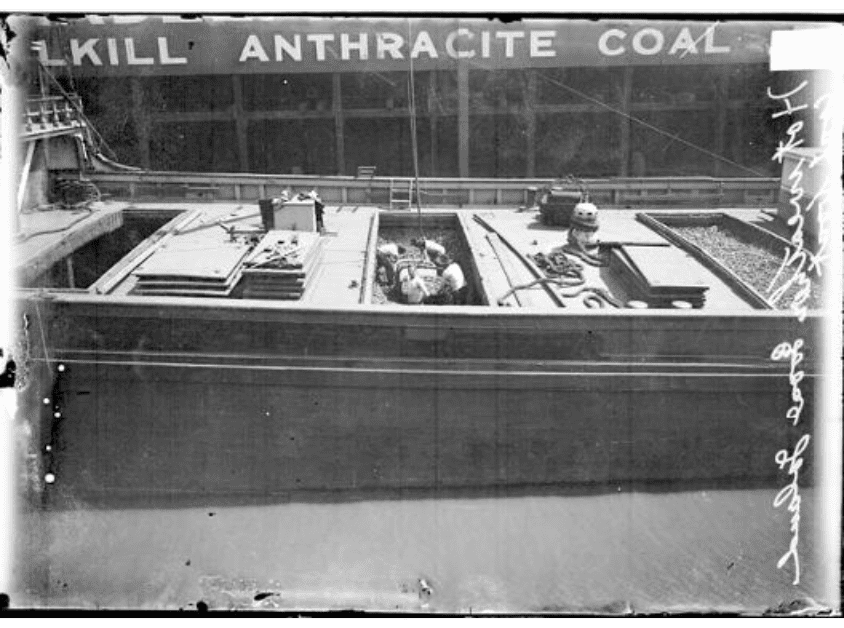
The coal mining industry in the Chicago suburbs emerged in the early 19th century due to the demand for fuel to power steam engines, heat homes and fuel industrial growth. At that time, rich and accessible coal deposits were located mainly in northeastern Illinois. In the 19th century, during a period of rapid development, rich coal deposits were an attractive opportunity for entrepreneurial people and companies from Chicago.
Coal mines in Chicago
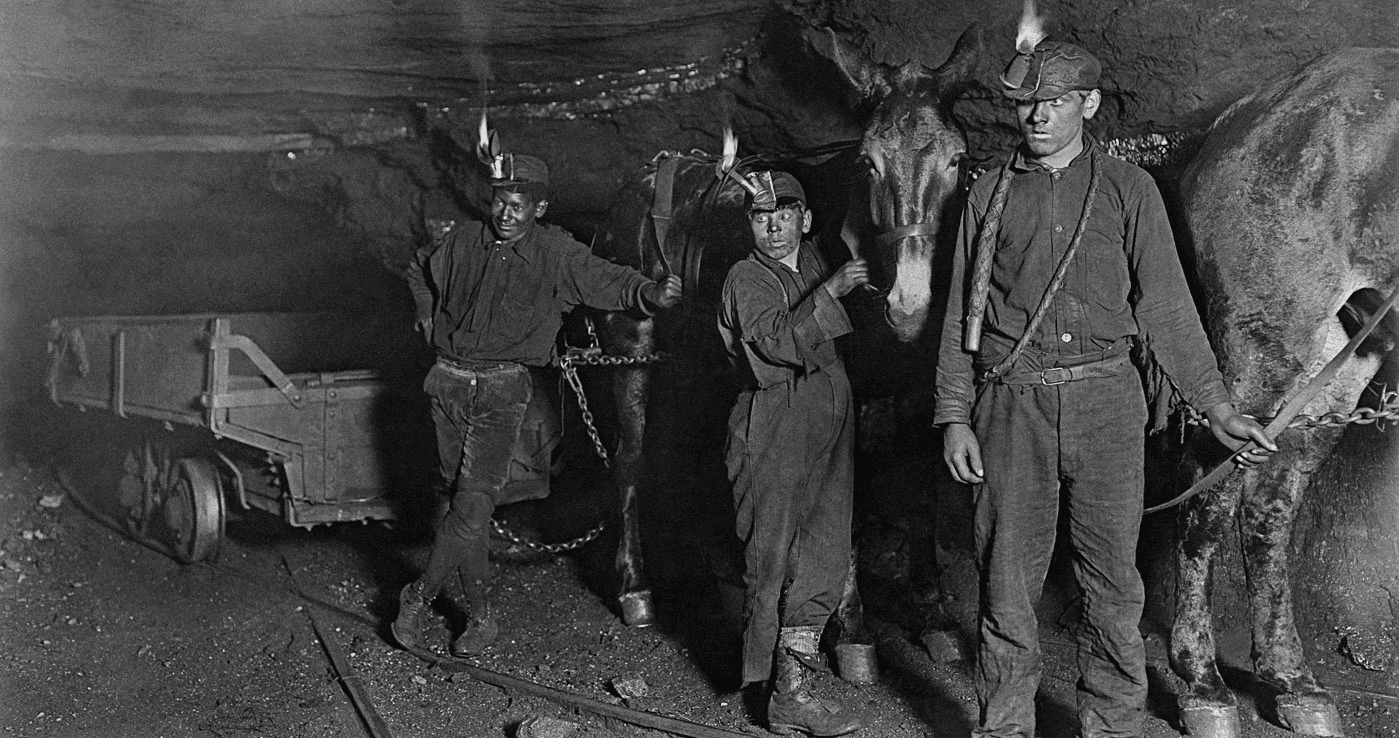
In the 19th century, mining in Chicago, like agriculture, was one of the economic activities of the state of Illinois. Mining primarily took place outside the Chicago area rather than within it. Rich deposits of minerals were located in the suburbs of Chicago. Areas around Braidwood, Wilmington and LaSalle County became major centers of coal production. All 19th-century coal mines typically operated deep underground. Workers descended into the depths of the mines to exploit the rich coal seams. Such mines in the 19th century required a complex network of tunnels to reach the underground coal deposits.
In particular, one of the earliest coal mines in the Chicago area was the Chicago & Wilmington Coal Company, built in Braidwood around the 1860s.
Workforce
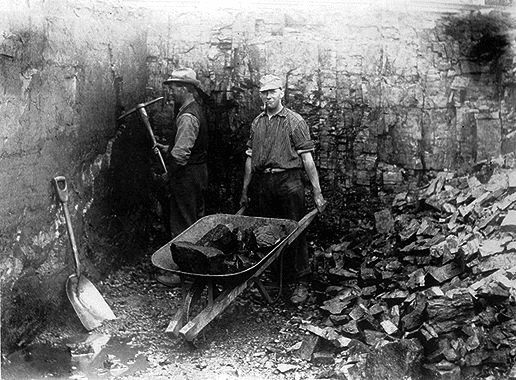
Coal mining in the Chicago suburbs in the 19th century relied significantly on immigrant labor. Immigrants from Europe, especially from Ireland, Germany, Scotland, England and Poland, made up a large portion of the mining workforce. Miners endured grueling working conditions and risked their lives every day in search of coal.
After five years of operation, the mines in Braidwood were able to produce a record-breaking 230,000 tons of coal in a year. The majority of the coal mined was consumed by the city of Chicago itself. By this time, the leading company in the area was the Chicago & Wilmington Coal Company, which employed around a thousand people. All these people worked daily to extract coal from local deposits.
Methods of coal mining in Chicago and the dangers of the time
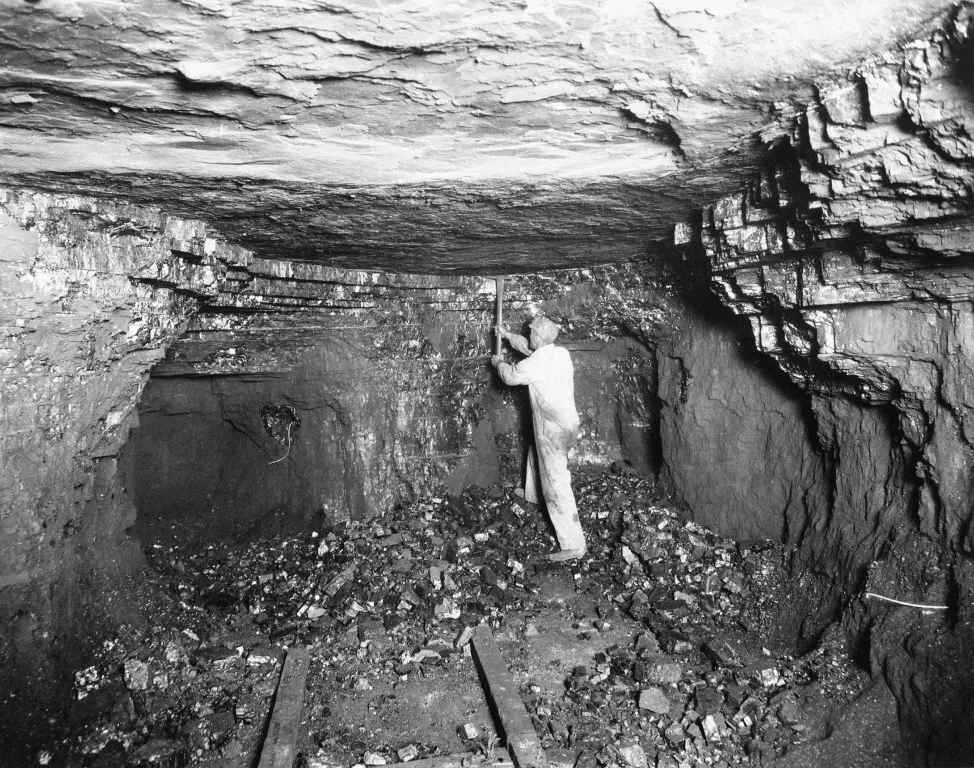
The mining methods that were popular at the time were strenuous and dangerous. Miners used hand tools such as picks, shovels and wheelbarrows to extract coal from underground. It was hard physical work that required tremendous strength and endurance. Mine collapses, flooding and fires were a constant risk that led to numerous accidents and tragic human casualties.
In addition to mining itself in the 19th century, transportation posed another challenge in the coal mines of Chicago. In the early years of the mines’ operation, coal was transported by horse-drawn carts and wagons, but as demand grew, railroads became the main means of delivery. Railroad lines crossed the suburbs, connecting the mines to the rapidly growing markets in Chicago and beyond.
The coal industry played a vital role in shaping the Chicago suburbs both economically and culturally. It fostered the growth of nearby cities and provided employment opportunities for countless people. However, as the 19th century progressed, the emergence of alternative energy sources and the depletion of easily accessible coal reserves caused the industry to decline.
Coal mining in Chicago’s suburbs in the 19th century epitomized the hard work, danger and determination characteristic of that era. It fueled the engine of progress and contributed significantly to the industrial growth of the region.