

Chicago has long been known not only for its architectural wonders, cultural diversity and thriving urban landscape but also for its great people. At the beginning of the twentieth century, a remarkable figure emerged among this urban diversity who left an unforgettable print on the field of ecology and zoology. Warder Clyde Allee was a brilliant scientist who spent his life in Chicago researching ecology. He devoted his life to studying and preserving the delicate balance in the natural world. Through his efforts and groundbreaking research, Allee established himself as a leader in this area. He was undoubtedly the greatest environmentalist of the 20th century. Learn more at chicagoname.
The story of ecologist Warder Allee
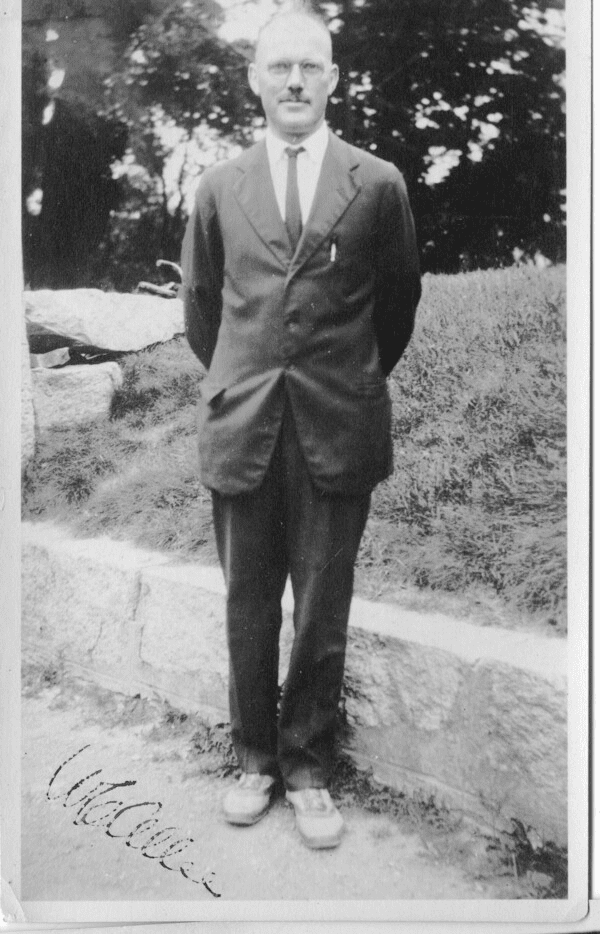
Warder Clyde Allee was born in Bloomingdale, Indiana, in 1885. Alley was not a native of Chicago, but he spent most of his life there studying zoology and ecology.
From an early age, Allee had a deep interest in the natural world. He enjoyed exploring the local parks of Bloomingdale, wandering in the woods and observing wildlife. This early experience served as the foundation for his later efforts as an ecologist.
Allee was educated at an ordinary one-room country school in Bloomingdale. He was an excellent student. When he entered Bloomingdale’s Academy, he was once again one of the best students in his class. Before that, in his final year, he won an oratorical contest. At the age of 17, Allee started working. In particular, he taught at a country school. Also, for a year, he worked as a teacher in the fifth and sixth grades of Bloomingdale’s elementary school.
At the age of 19, Allee enrolled in Earlham College. Additionally, Allee grew up in the Society of Friends and married Marjorie Hill, who was also a member. His marriage and his strong Quaker beliefs, specifically, were very influential in his environmental research and later career.
What brought Allee to Chicago?
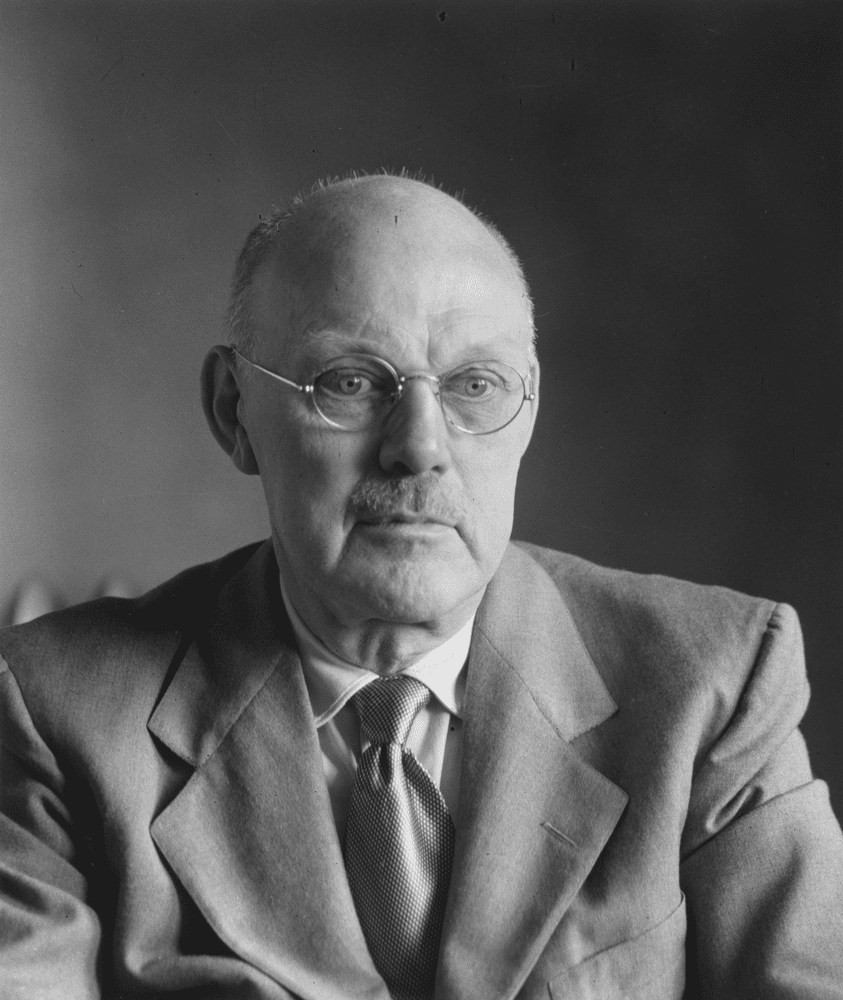
Allee’s passion for knowledge drove him to Chicago. He wanted to learn more about zoology and ecology, so after graduating from Earlham College in 1908, he came to Chicago and enrolled at the University of Chicago. It was there that he gained a thorough understanding of these sciences as well as a Ph.D. with honors. It should be emphasized that Allee made the largest contribution to the research and development of ecology and zoology during his time in Chicago. During his studies, he paid much attention to thorough study and research, writing scientific articles and entire manuals.
Contribution to ecology
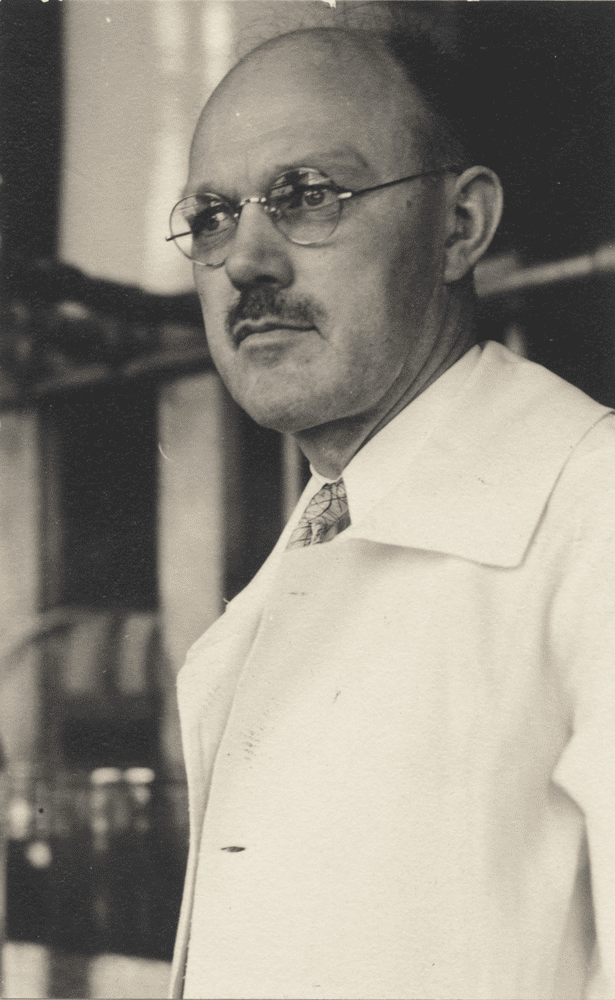
The majority of Allee’s life was devoted to researching the preferences of organisms that interact with each other rather than exist separately. For many years, he observed entire groups of living organisms and discovered that their correlation is beneficial and vital in nature. The scientist called this discovery the Alley effect. In this study, he described in detail the positive correlation between population density and individual fitness of a population or species.
Allee’s research, however, did not stop there, throughout his life, he wrote more than two hundred scientific papers and published twelve books. His primary area of interest was studies of animal sociology. He conducted extensive research on zoology, as well as the interaction of animals with each other and with humans.
Illness and the final years of life
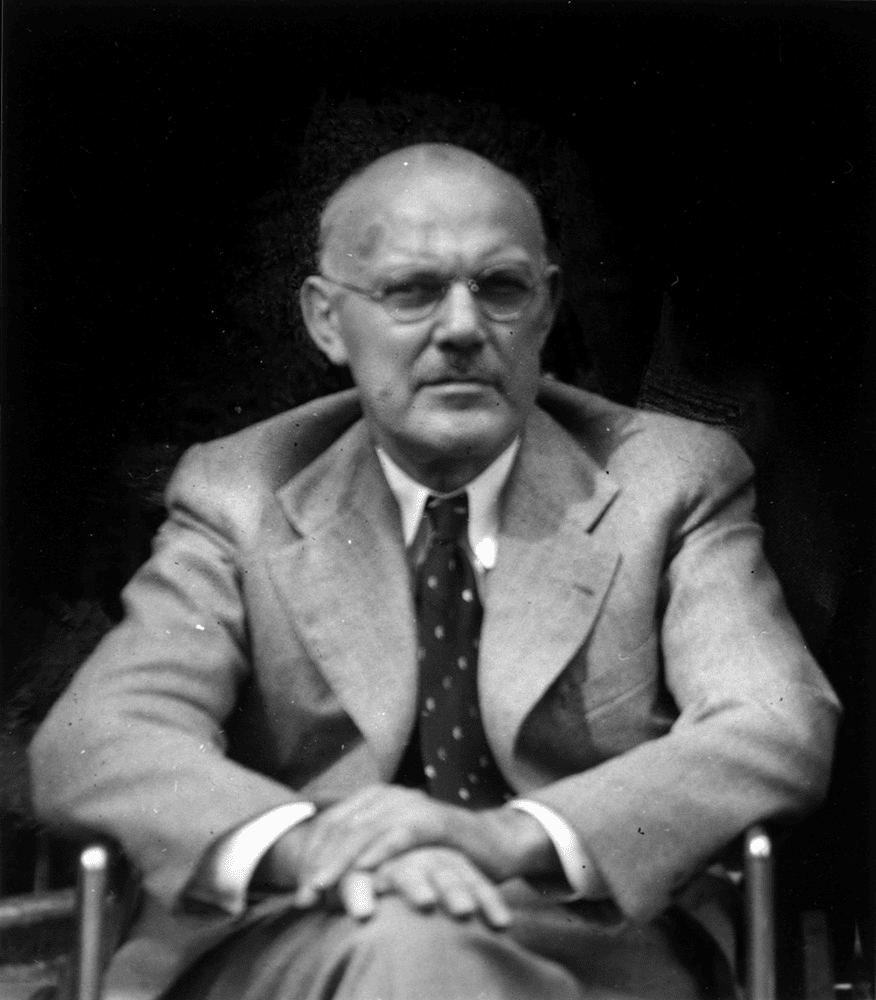
To advance his career, Allee had to move from Chicago. He actively taught, conducted research and published scientific articles. But soon after, the outstanding scientist was caught off guard by an illness, a spinal tumor that resulted in paralysis. From year 1935, Allee was in a wheelchair. The sickness, however, did not deter him from conducting new research in the fields of ecology and zoology. He continued to do what he loved until he died in 1955.
Allee had a significant impact on ecology and zoology in the 20th century, both in Chicago and well beyond. Allee’s scientific work is still being studied and discussed in the 21st century, as many scientists are interested in the ideas underlying the Allee effect.