

The global environmental situation leaves much to be desired. The causes are numerous, ranging from factory operations to human activity. To improve the situation and reduce harmful substances in the air, cities worldwide are actively implementing green transportation. Chicago is no exception. We’ll take a closer look at the eco-friendly transit operating in the metropolis on chicagoname.com.
The Benefits of Green Transportation
Sustainable transportation is crucial for various reasons. It addresses not only environmental concerns but also numerous economic and social issues. Here are several advantages of its use:
- Green transport helps reduce carbon emissions and air pollutants. Promoting clean technologies and alternative fuels helps mitigate climate change and improve overall air quality.
- Sustainable transit solutions focus on optimizing resource use, including energy efficiency and natural resource conservation. This reduces dependence on fossil fuels and helps preserve non-renewable resources for future generations.
- Minimizing the use of internal combustion engines and encouraging active modes of transit, such as walking and cycling, leads to reduced air pollution.
- Sustainable transport promotes the development of pedestrian-friendly infrastructure. This reduces road congestion and creates a more vibrant and safer urban environment, contributing to a higher quality of life for residents.
- The growth of green transport leads to cost savings for individuals, businesses, and the government. Registration, insurance, and emissions tests are all expenses. Traveling by bus or train is much cheaper than buying gasoline for a personal car.
- Sustainable transport improves public health by reducing air pollution. Exhaust fumes release harmful particles that increase the risk of respiratory and heart diseases. Green transport enhances well-being. Walking and cycling are excellent ways to support a healthy lifestyle.
The Spread of Green Transportation
In the United States, exhaust from cars, trucks, and airplanes is the largest source of carbon dioxide emissions, which cause climate change. Sustainable transportation involves using modes of travel that minimize environmental impact and promote long-term ecological balance. This concept aims to reduce carbon emissions, save energy, and optimize resources to create a greener, more efficient transit system. The priorities of sustainable transport include using clean energy, minimizing congestion, and increasing accessibility for all, contributing to broader goals of environmental sustainability.
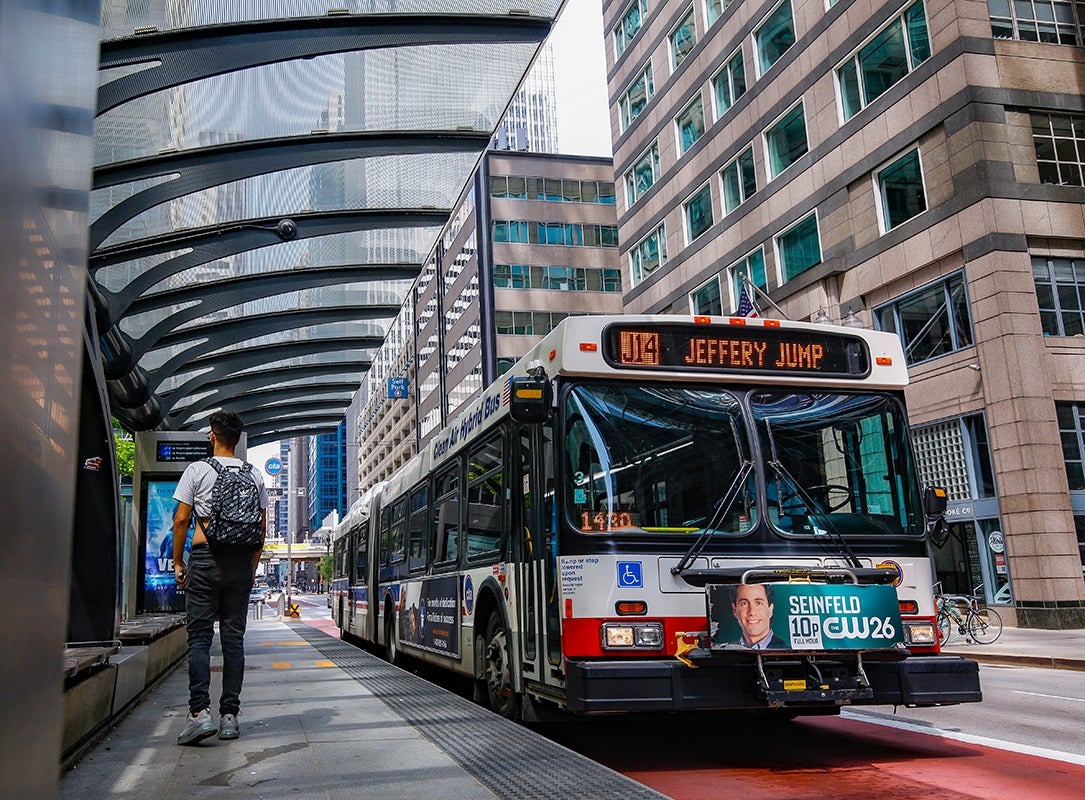
Chicago has a well-developed public transportation system managed by the Chicago Transit Authority (CTA). It offers a strong, sustainable option for getting around. The “L” trains (elevated trains) and buses provide convenient and accessible travel throughout the city. Residents commute using public transit daily, thereby reducing carbon emissions and easing road congestion.
Chicago encourages cycling as an eco-friendly mode of transport, featuring a growing network of bike lanes and the Divvy bike-share program. Providing incentives like bicycle storage facilities and employee subsidies promotes this healthy, green commuting option.
Electric vehicles (EVs) are an increasingly common sight on city roads. Their use reduces dependence on traditional fuel sources. Many local businesses have installed charging stations to support employees who use this type of transportation. Driving an EV lowers carbon emissions and positions companies as leaders in adopting clean technologies.
In 2019, Chicago launched two pilot programs for e-scooters. This mode of transport can provide additional benefits, including greater mobility for people with physical disabilities.
Steps Toward Sustainability
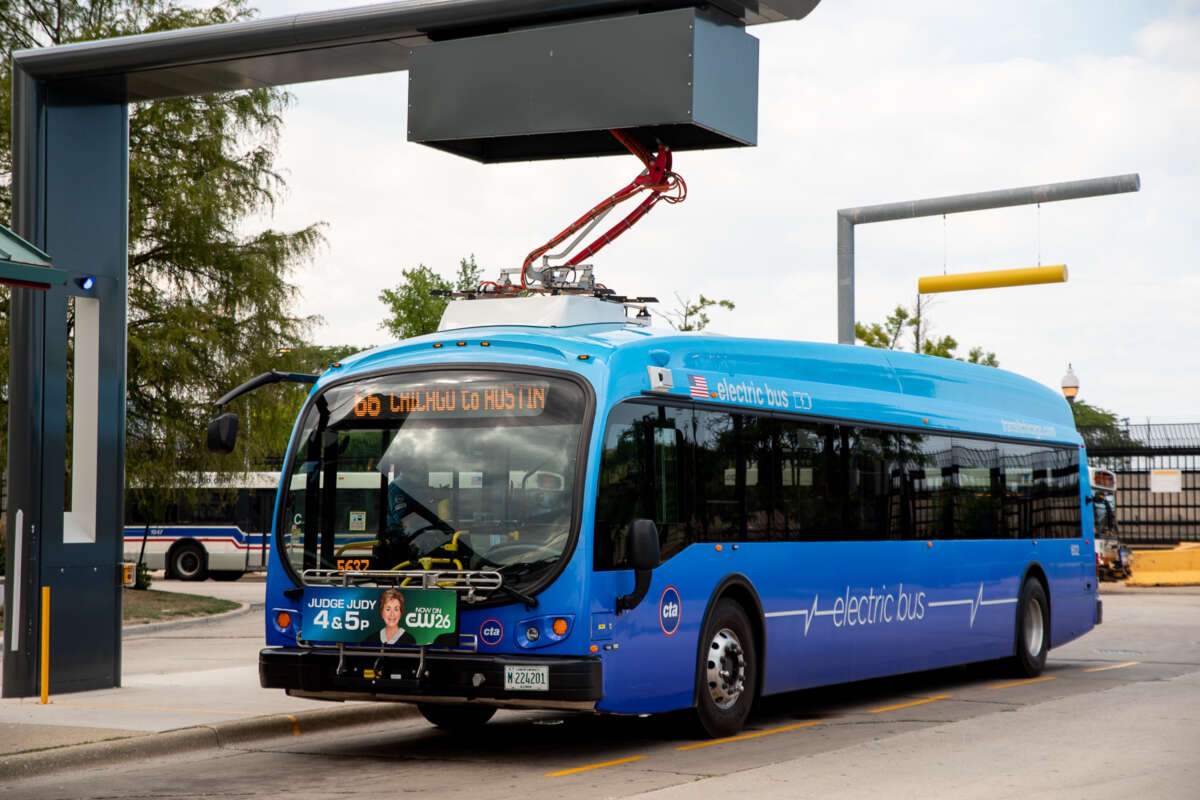
The Chicago Transit Authority (CTA), responsible for public transit in the city and suburbs, has pledged to transition to an all-electric bus fleet by 2040. This resolution was adopted by the City Council in 2019. Purchasing new all-electric buses is just the beginning; operating them will require extensive charging infrastructure and power supply upgrades. Notably, the CTA first put two electric buses into service in 2014. As of 2022, Chicago has 11 electric buses operating on routes on the South and West Sides, areas with the poorest air quality.
Another Chicago company, Metra, is working to convert three old diesel locomotives to zero-emission battery power. The enterprise is one of the first in the industry to adopt this new technology. This move will reduce nitrogen oxide emissions by over 100 tons per year and particulate matter by 2 tons per year. Metra has also purchased low-emission switch engines. Additionally, Metra celebrates Earth Day annually by holding a week-long cleanup and planting trees and wildflowers along its lines. From Monday, April 18, to Earth Day, April 22, employees clean up along the tracks and plant greenery in collaboration with community groups.
The Pace company is a nationwide leader in exploring alternative fuels and reducing emissions. As part of its Driving Innovation strategic plan, adopted in September 2021, the agency committed to transitioning to zero emissions by 2040. To implement this plan, Pace has allocated $50 million for the purchase of electric buses. The Pace Vanpool program is also very popular in Chicago, offering large vans to transport 5 to 13 people at once. Many use it for commuting to work and for airport trips.
What Must the City Do?

Implementing sustainable transportation in the city is an important yet complex task that involves infrastructure, technology, and public support. Here are several strategies that can help Chicago and its residents transition to green transport:
- First and foremost, the city must invest in public transportation and increase funding. Improved accessibility, frequency, and reliability of buses, trains, and other transit forms encourage residents to choose public transport. This, in turn, leads to reduced emissions.
- The city government must also develop and improve infrastructure for walking and cycling, enhancing bike lanes and pedestrian walkways. Implementing policies that prioritize cyclist and pedestrian safety and convenience will make these modes of transport more attractive.
- Tax incentives and rebates can help accelerate the transition to cleaner modes of transport.
Analyzing all the above, it’s clear that the city of Chicago is actively striving for sustainable development by progressively implementing green transportation.