

As of 2000, underground coal mining had taken place in 72 counties across Illinois. Based on 2008 research, the Illinois State Geological Survey estimated that roughly 201,000 acres of urban and developed land were in the immediate vicinity of underground mines. We’ll take a deeper look at how the mining industry began and developed in Illinois, and how it impacted the environment, on chicagoname.com.
Coal Discovery and Early Mining Operations
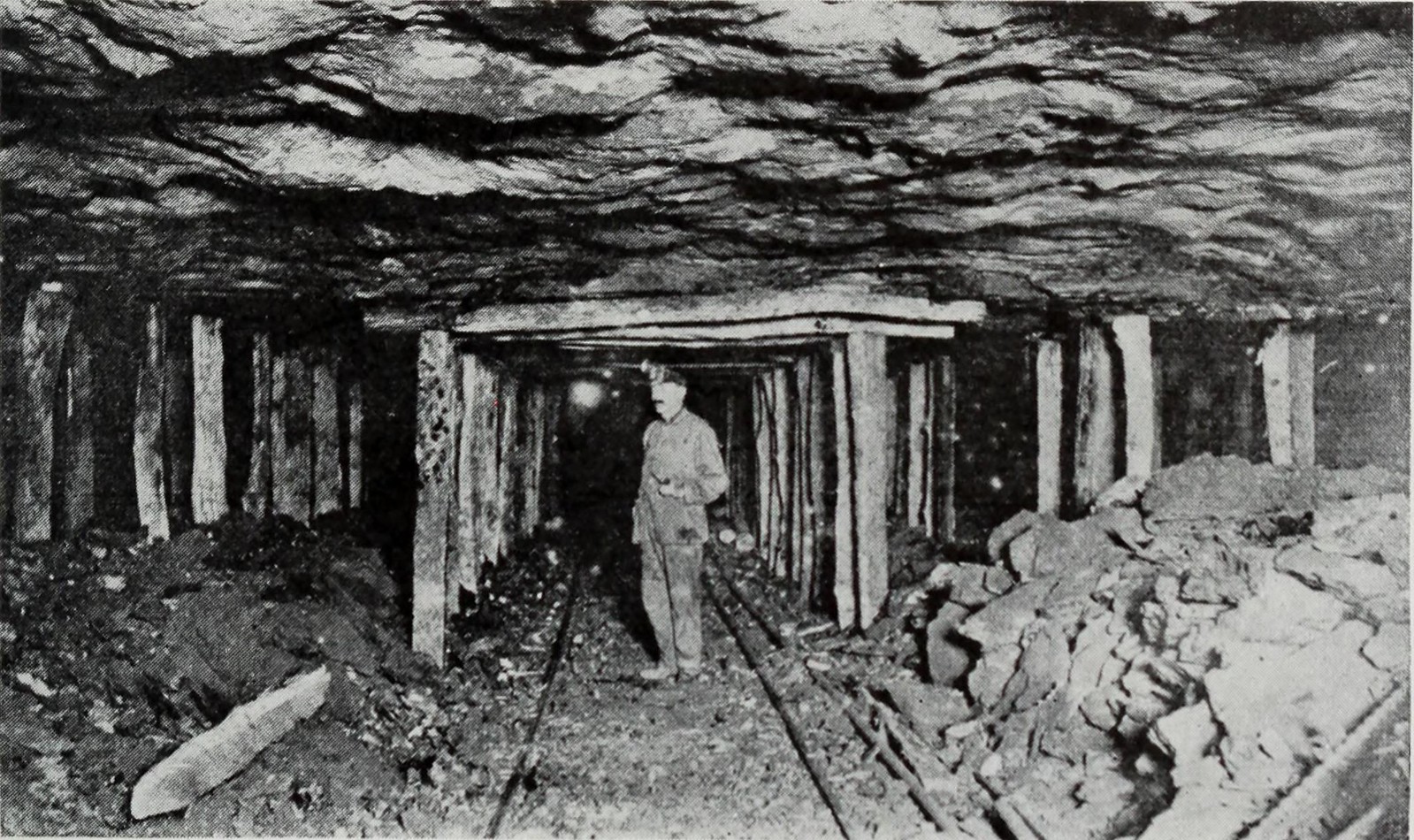
The first recorded discovery of coal in North America was made by Jacques Marquette and Louis Jolliet. In 1673, they documented coal deposits along the Illinois River. However, it wasn’t until the 1800s that settlers first began mining coal for blacksmithing and other household needs. The mid-1800s brought industrialization, and demand for coal skyrocketed. During this period, the largest mines began opening, featuring shafts (vertical openings) or slopes (inclined openings) for easy access to the coal seam and to ensure proper ventilation. Strip mining (surface mining) began in 1910 with the introduction of steam shovels used to remove the overburden.
The new industry rapidly spread along navigable waterways, which facilitated access to large trade centers like St. Louis and Chicago. After the Civil War, as Illinois railways rapidly expanded, coal mining in Southern Illinois reached its peak. The first underground mines consisted of long tunnels, expanded into “rooms,” where miners worked manually. Extraction was conducted using the “room and pillar” method. Under this system, miners created openings (rooms) and left pillars of coal behind to support the roof. It is important to note that by the 1920s, surface coal mining using excavators and earth-moving equipment had become popular. It wasn’t until the 1950s and 1960s that mining operations became fully mechanized. At that time, over half of the coal was extracted via surface mining. From a record high of 1,350 mines in 1935, the number of active coal mines rapidly decreased.
Environmental Damage

While past generations used coal as a fuel source, few considered the environmental impact of mining. Since there was no urbanization above the mines, their long-term stability was not a concern. Once the miners finished work, they left a huge hole underground and moved on. This resulted in a large number of abandoned mines in Illinois that eventually collapsed.
The lowering of the ground surface caused by the collapse of underground mines is called mine subsidence. The Illinois State Geological Survey estimates that approximately 201,000 acres of urban and developed land are located in the immediate vicinity of these mines. This area includes 330,000 housing units that could be affected by mine subsidence.
By the end of 1970, surface and deep coal mining in Illinois had disturbed over 200,000 acres of land. Of this area, more than 22,000 acres were identified as problematic. This included areas with exposed waste (spoils and slurry) and toxic or sparsely vegetated heaps.
In 1977, it was determined that coal mining had disturbed over one million acres of land in the U.S., leaving thousands of open shafts and slopes, mine gas leaks, mine fires, and other hazards. This led to the passage of the Surface Mining Control and Reclamation Act in 1977. The Act established detailed standards and reclamation rules for future operations.
In 1979, a major mine subsidence event occurred in Illinois, and a large number of homes collapsed underground. Due to the fact that many mining companies operating in Illinois had long ceased their activities and property insurance did not cover the losses, people turned to the courts. This ultimately led to the creation of special insurance coverage to address the problem of mine subsidence.
Mining Near Chicago
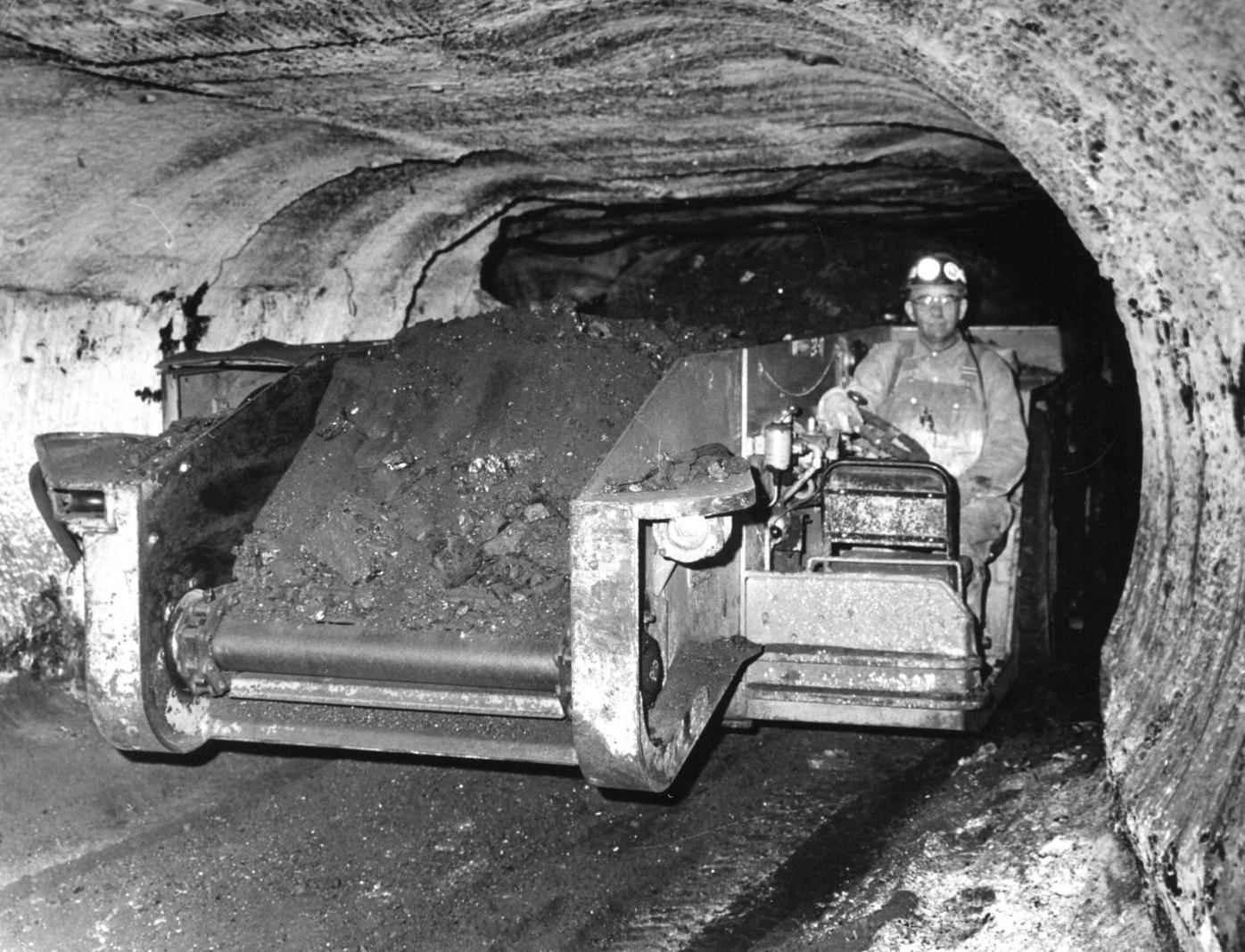
Large bituminous coal deposits were located on the northeastern outskirts near Chicago, which became the focus of mining activity for almost a century. Mining operations were centered in the town named after James Braidwood, a Scottish immigrant who sank the first shaft for the Chicago & Wilmington Coal Company (C&W). It was located 60 miles from downtown Chicago, near the Chicago, Alton & St. Louis Railroad. In 1865, five years after mining began, workers at the Braidwood mines were producing about 230,000 tons of coal annually, most of which was consumed in Chicago. At the time, the C&W company dominated the town, employing about 1,000 people to extract coal from shallow deposits. It is worth noting that many of these early miners were immigrants from Scotland and England.
In the 1880s, when coal production at the Braidwood mines peaked, a conflict erupted between C&W and its workers. It grew so intense that it attracted nationwide attention. From the earliest years of coal mining in Northern Illinois, Scottish immigrants like John James and Daniel McLaughlin formed various associations among miners. In 1870, many joined a group called the “Miners’ Benevolent and Protective Association of the Northwest.” They staged a brief strike in 1868, and a major conflict in 1874 resulted in about a quarter of the miners losing their jobs. In response, C&W hired replacement workers and private security. However, the miners managed to gain the support of Braidwood residents and the wider public, eventually ending the conflict by accepting lower wages.
Coal production in Will County began to decline after the 1880s as miners exhausted the most easily accessible parts of the shallow deposits. The peak output occurred in 1882, when 2,000 miners raised 650,000 tons from the Braidwood mines. Disaster struck the local mining industry in 1883 when rain and melting snow flooded the Diamond Coal Company mine. The sudden influx of water claimed 61 lives. Over the next few years, local mines became less productive and represented only a small fraction of the larger Illinois coal industry. By 1892, Will County mines were extracting only 114,000 tons per year—less than a fifth of their former output.
The 1920s saw a small revival thanks to surface mining. In the late 1920s, the Northern Illinois Coal Corporation (NIC) began using shovels and earth-moving equipment to strip-mine coal, moving large volumes of soil and rock. Over the next 25 years, approximately 30 million tons of coal were extracted from Will County strip mines, making it one of the leading surface-mining areas in Illinois. In 1940, NIC employed over 400 people, while another company, the Wilmington Coal Mining Corporation, operated a smaller strip mine in Braidwood. However, like the deep-shaft mines that were so vital to the area in the 19th century, these strip mines only operated for one generation. By the 1960s, the last coal mining operations in the Chicago area were closed.
The Modern Illinois Mining Industry
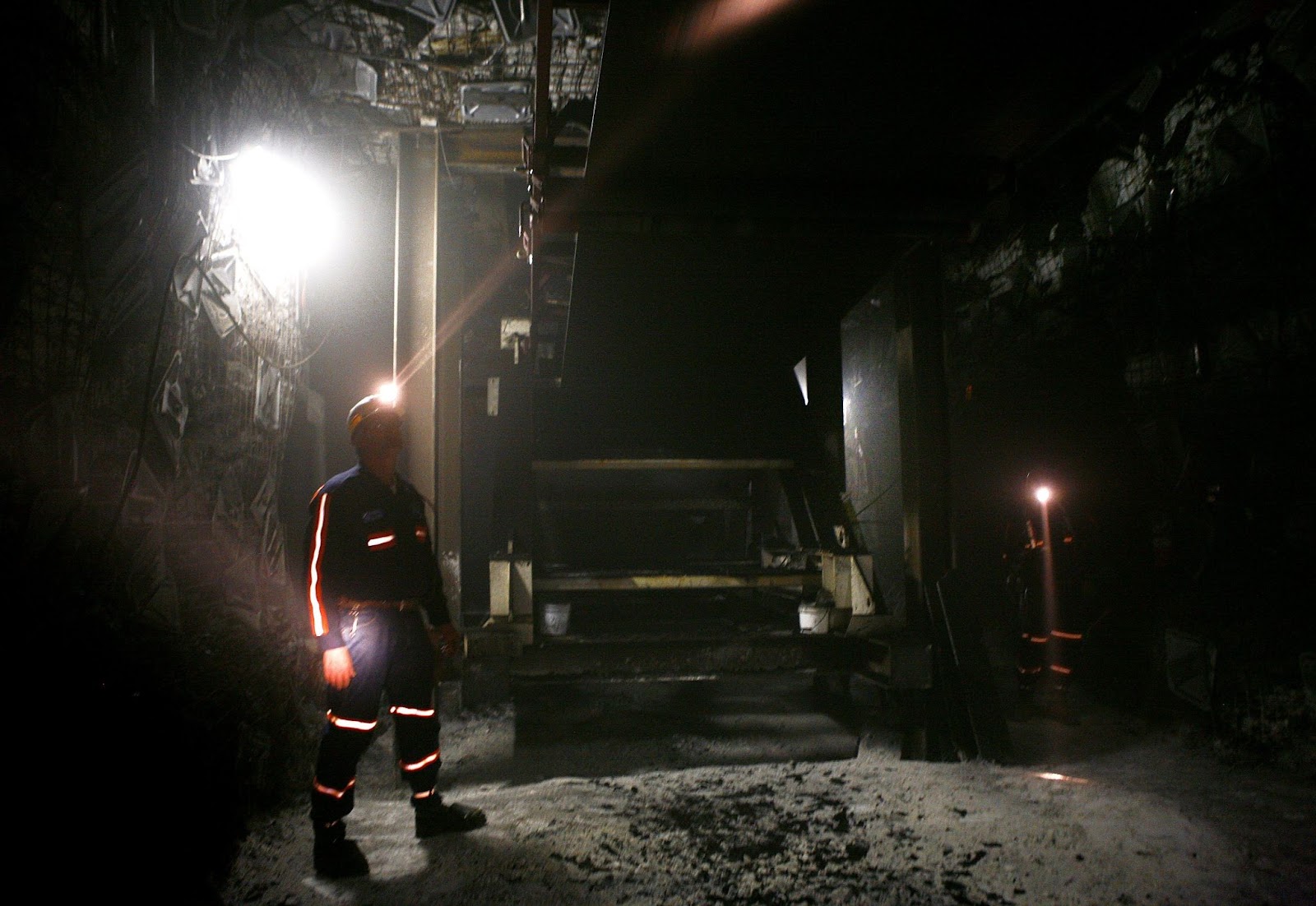
While the methods for dealing with mine subsidence have changed over the years, it is clear that people will have to contend with the consequences of past activities for a long time to come. Today, coal is mined in 76 of Illinois’s 102 counties. Since the beginning of commercial extraction, over 7,400 coal mines have operated. Few people know that Illinois still holds the largest reserves of minable bituminous power coal, which is used in power plants east of the Mississippi River.