

Park · Chicago · ⭐ 9.1/10 · 3784 reviews · updated: 2026-08-04 16:02:07
Address: 5531 S Martin Luther King Dr, Chicago, IL 60615, United States
Washington Park — Olmsted’s great meadow on the South Side
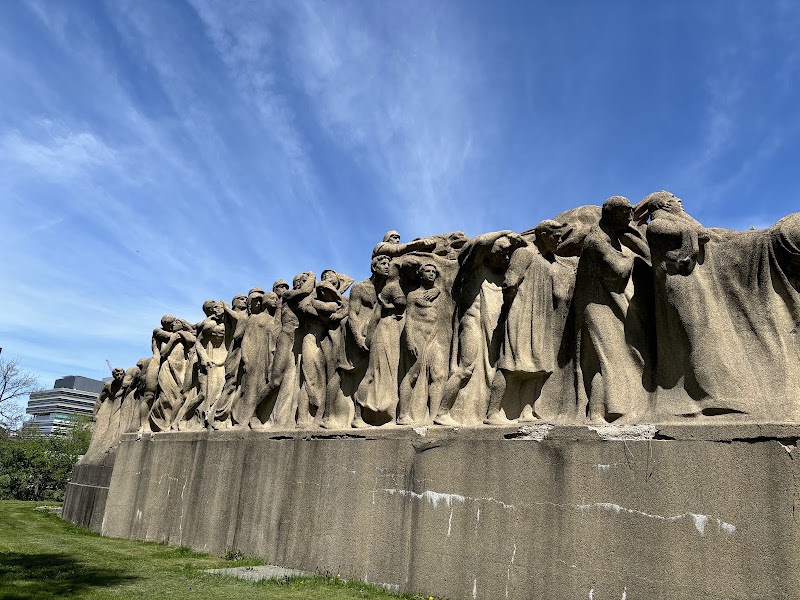
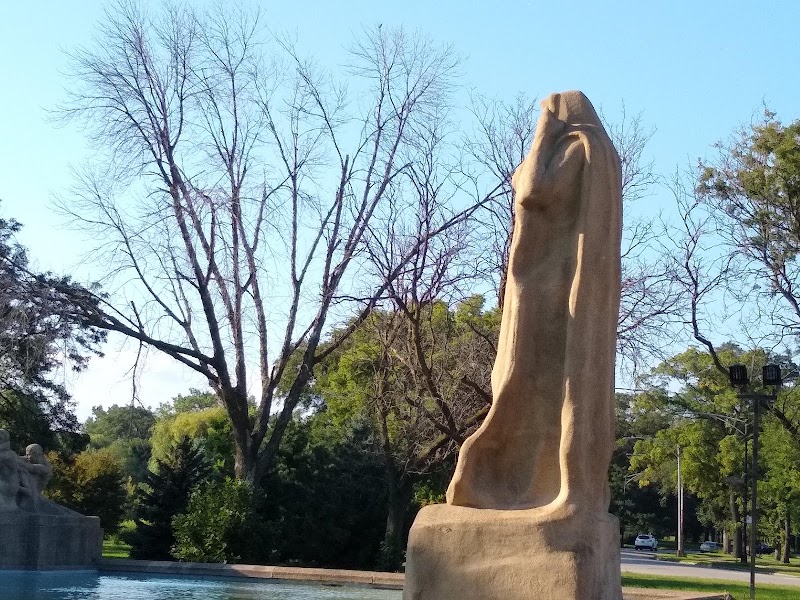
An unbroken lawn on a scale no other Chicago park can match, a lagoon at its southern end, and along the eastern edge a hundred concrete figures streaming past a hooded Father Time. Washington Park is 372 acres of Frederick Law Olmsted’s thinking, carried out after the Great Fire destroyed the original drawings, and it holds both the DuSable Black History Museum and one of the most ambitious sculptures ever attempted in America.
Highlights
- Fountain of Time — Lorado Taft’s 127-foot concrete relief of a hundred figures passing before Father Time, completed in 1920 and dedicated on November 15, 1922.
- The great meadow — Olmsted’s open green, once grazed by sheep, still one of the largest unbroken lawns in the city.
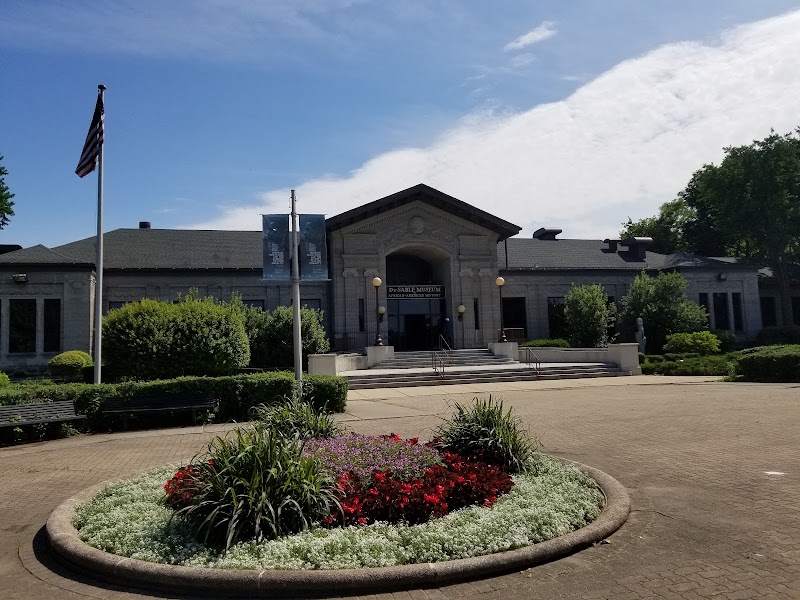
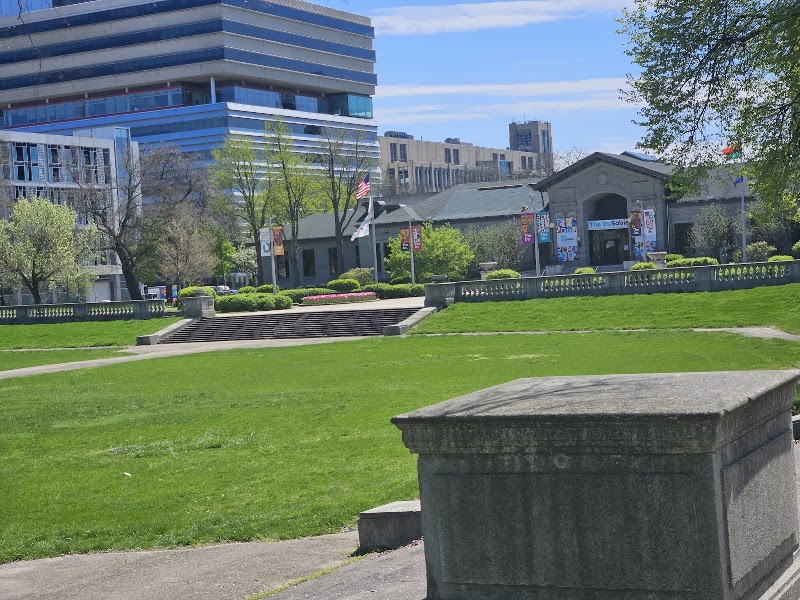
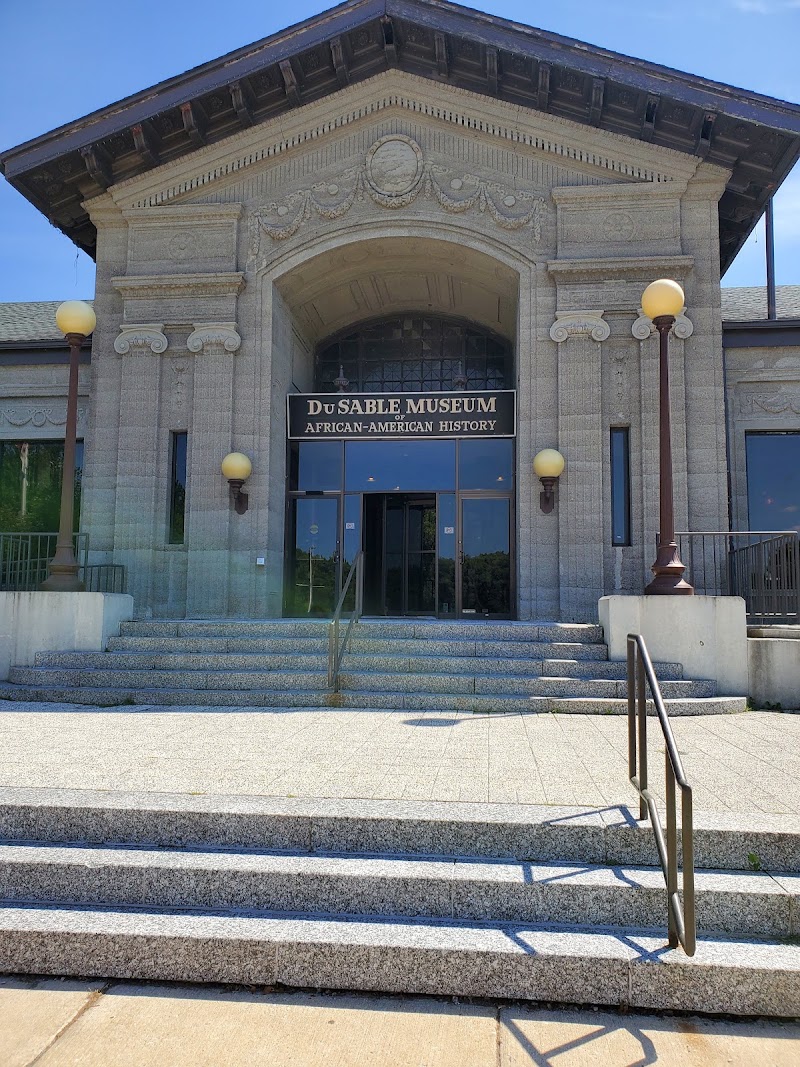
- DuSable Black History Museum and Education Center — housed in the former South Park Commission administration building by D. H. Burnham & Company.
- The Roundhouse (1880) — Burnham’s Joliet limestone round stables, the oldest building on the grounds, being restored as museum space.
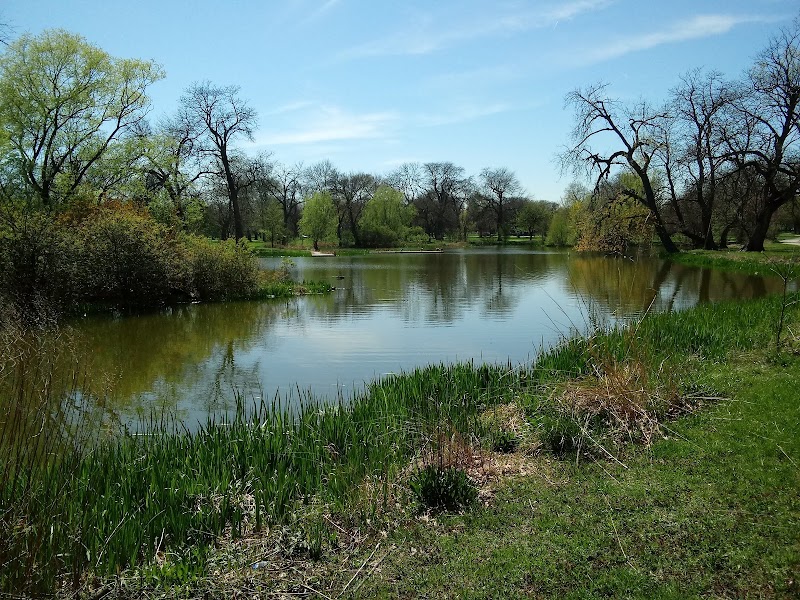
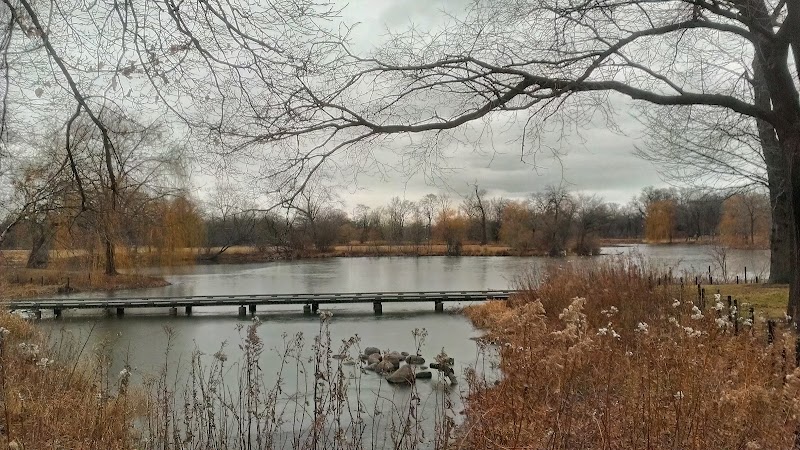
- The lagoon — Olmsted’s water at the park’s southern end, with rock gardens, fishing and wooded edges.
- Refectory and Aquatic Center — the historic refectory beside an outdoor pool with a 36-foot water slide.
What you’ll find
This is a park built for crowds and for solitude at the same time: the sports grounds absorb thousands on a summer Saturday, while the meadow’s far side stays empty enough to hear birds.
- Thirteen diamonds carrying Chicago’s largest 16-inch softball league, some 34 teams strong.
- Cricket pitches in near-continuous use through the warm months.
- A walking and running track threading the northern half of the grounds.
- Rock gardens and mature plantings around the lagoon’s edge.
- The finish and picnic grounds of the Bud Billiken Parade, used every August since 1929.
- Open ground where an 1897 conservatory and sunken garden stood until the Depression.
Things to do — and who it’s for
- Museum-goers — the DuSable, founded in 1961, is among the first institutions in the country built for Black history and art.
- Sculpture pilgrims — Fountain of Time repays a slow walk end to end; the composition changes with every step.
- Ball players — softball, cricket and baseball on a scale no other Chicago park offers.
- Families — the Aquatic Center’s pool and slide in summer, plus playgrounds and shaded picnic lawns.
- Runners and cyclists — long uninterrupted distances, with the Midway Plaisance running east from the park’s edge.
- Event crowds — the Bud Billiken picnic in August and the UniverSoul Circus, annual here since 1996.
Getting there & practical
Washington Park sits on the South Side, a green wedge between the neighborhood that shares its name and Hyde Park, with the Midway Plaisance running east from its edge toward the university. The Green Line’s Garfield station is the nearest ‘L’ stop — its restored 1892 stationhouse now serves as a welcome center and small-business incubator — while the Cottage Grove branch stations lie to the south and Metra Electric runs along the eastern side. Entering the park is free, and so are the meadow, the lagoon and Fountain of Time. The DuSable Museum charges its own admission and keeps museum hours; the Aquatic Center is a summer operation on its own schedule. The grounds are open from early morning until late at night. Allow ninety minutes for the sculpture, lagoon and meadow, or most of a day if you add the museum.
When to visit
Summer is the park doing exactly what it was built for: softball across thirteen diamonds, cricket most weekends, the pool open, and the Bud Billiken Parade filling the grounds on the second Saturday of August. Autumn gives the best light for Fountain of Time, when low sun rakes across the hundred figures and picks out faces that disappear at noon. Winter reduces everything to structure — the sheer scale of the meadow, bare oaks, the Roundhouse’s limestone — and the museum becomes the reason to come. Spring greens the meadow early and brings the lagoon’s birdlife back before the sports season takes the fields over.
Good to know
Frederick Law Olmsted and Calvert Vaux drew up South Park in 1871 for the South Park Commission: two large parks joined by the Midway Plaisance. The Great Chicago Fire destroyed the drawings that same year and the depression of 1873 drained the budget, so Horace William Shaler Cleveland carried the construction forward; the western division took the name Washington Park, for George Washington, in 1880. Olmsted’s central idea survived intact — a vast meadow ringed by trees, with a lake of about thirteen acres. Daniel Burnham’s firm supplied the buildings: the limestone round stables of 1880, the refectory of 1881, and the South Park Commission’s administration building in the 1910s. Ulysses S. Grant planted a tree here on December 6, 1879. A racetrack ran at the southeastern corner from 1883 to 1905, and a conservatory with an ornate sunken garden stood from 1897 until the Depression swept it away. Lorado Taft built Fountain of Time in steel-reinforced concrete mixed with crushed Potomac pebbles, taking his theme from Henry Austin Dobson’s line that time stays while we go, and marking a century of peace between the United States and Britain after the Treaty of Ghent of 1814; a restoration costing 1.6 million dollars began in April 1999, and the reflecting pool held water again in 2005 for the first time in over fifty years. The DuSable Museum was founded on February 16, 1961 by Margaret Taylor-Burroughs, Charles Burroughs and four others as the Ebony Museum of Negro History and Art in the Burroughs family home, renamed in 1968 for Jean Baptiste Point du Sable, moved into the park in 1973, and added the 25,000-square-foot Harold Washington Wing in 1993. The park entered the National Register on August 20, 2004 as a historic district of 15 buildings, 28 structures and 8 objects.
Visitor tips
- Walk the full length of Fountain of Time rather than photographing it head-on; it only resolves in motion.
- The park is far bigger than it looks from any single entrance — choose the museum end or the meadow before you set out.
- The second Saturday in August belongs to Bud Billiken. Come for the spectacle, or pick a different day entirely.
Questions & answers
Who designed Washington Park? Frederick Law Olmsted and Calvert Vaux, in an 1871 plan for South Park. After the Great Fire destroyed the drawings, Horace W. S. Cleveland carried out much of the construction.
What is the Fountain of Time? Lorado Taft’s sculpture of a hundred human figures moving past a hooded Father Time — about 127 feet long, cast in concrete, finished in 1920 and dedicated in 1922 to mark a century of peace between America and Britain.
Is the DuSable Museum inside the park? Yes, in the former park administration building by D. H. Burnham & Company. It has stood there since 1973, charges its own admission, and is surrounded by free parkland.
Is there swimming? Yes, at the Aquatic Center beside the historic refectory, with an outdoor pool and a 36-foot water slide during the summer season.
Why is the meadow so large? It is the surviving core of Olmsted’s design — an open pastoral green framed by trees, originally grazed by sheep, and still one of the biggest unbroken lawns in Chicago.
What happens here in August? The Bud Billiken Parade, held annually since 1929 and the largest African American parade in the country, ends with its picnic in this park on the second Saturday of the month.
Photos
Show 1 more photos
Visitor reviews
Reviews last updated: 2026-08-04 16:02:07
Data is refreshed monthly. Sources: chicagoname.com and editorial picks based on reviews.
Such a great event to be a part of. Until next near.
I recently visited Washington Park, and it was a really calm and refreshing experience. The park feels open, peaceful and well laid out, which makes it a great place to take a break from the city bustle.
During my visit…
What a lovely park to walk through and escape the city bustle. Just beyond the Fountain of Time there's a beautiful pond with a huge willow that is simply stunning. I highly recommend a walk through this park if you ever…
Washington Park is still a gem of the South Side! My community held its annual picnic there on Saturday after the recent rain, and the park was still in pretty good shape! The dangerous areas were fenced off, there was p…
We visited the south side of the park. It's much quieter there than in the city, there are several ponds, ducks, squirrels, birds. Places where you can just relax or do sports. A nice break from the city bustle.