
Chicago is well-known not just for its architectural wonders and bustling cultural life, but also for its rich historical heritage, which includes extensive museum collections and discoveries. One of such museums is the Field Museum of Natural History, or simply the Field Museum. This famous institution, located on the shores of Lake Michigan, has been a focus of scientific discovery and research for more than a century. The 21st-century Field Museum houses an enormous collection of artifacts and exhibitions spanning millions of years. Find out more at chicagoname.
History of the Field Museum
The historical origins of Chicago’s Field Museum of Natural History date back to 1893. Back then, on the shores of Lake Michigan, it was decided to establish a place where it would be possible to exhibit numerous discoveries, including those that were displayed during the World’s Columbian Exposition.
A Chicago merchant, Marshall Field, supported the establishment of the museum in order to house and preserve the exhibits and artifacts gathered for the World’s Columbian Exposition for future generations. The museum was originally titled the Columbian Museum of Chicago in recognition of the exhibition that inspired its creation, and it was only years later that the institution was renamed after its founder. The Columbian Museum of Chicago occupied the Palace of Fine Arts, the sole structure from the World’s Columbian Exposition still standing in Jackson Park. In the twenty-first century, this location houses the Chicago Museum of Science and Industry. The modern Field Museum is now located on the Near South Side.
In the 21st century, The Field Museum of Natural History is one of the best natural history museums not only in Chicago but around the world. Millions of tourists come here each year.
Journey through time
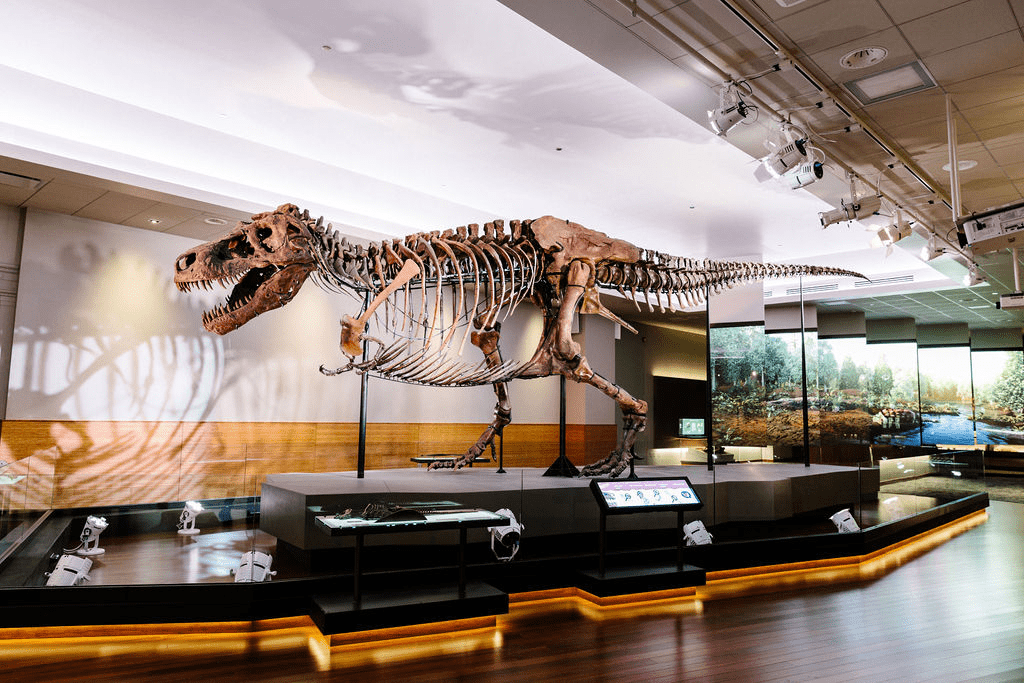
Visiting the Field Museum in the twenty-first century is an extremely interesting journey through time. After all, the museum has gathered an impressive collection of unique and remarkable exhibits throughout the course of its long history. For many tourists, the first destination is the famed Stanley Field Hall, which holds the skeleton remains of Sue, the biggest Tyrannosaurus ever discovered. As visitors go through the museum’s hallways, they will come across several exhibits that reflect the wonders of the natural world.
The museum’s rich collection of exhibits in the twenty-first century spans a wide range of fields, including:
- anthropology
- botany
- geology
- paleontology
- zoology.
Here, you may explore the unique hall of gems as well as displays of Ancient Egypt, which are quite intriguing. The Field Museum offers an exclusive atmosphere that captivates every visitor’s imagination. Thanks to an exceptionally large collection of exhibitions, modern visitors may admire old dinosaur fossils, explore sophisticated dioramas of diverse ecosystems and even experience the world of ancient civilizations through carefully selected artifacts.
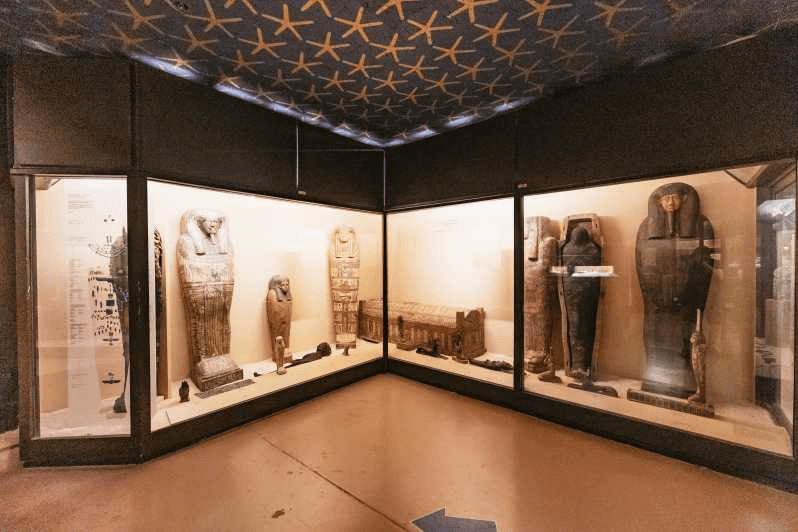
One of the museum’s crowning achievements is its unparalleled collection of Egyptian antiquities, which includes mummies, sarcophagi and exquisite hieroglyphic inscriptions. These precious objects provide a glimpse into the exciting world of ancient Egyptian culture and customs.
In addition to its exhibitions, the Field Museum is actively involved in innovative scientific research and cultural heritage protection. Its researchers and scientists work with specialists from all around the world to investigate biodiversity, climate change and evolution.
The Field Museum, in addition to its educational objective, offers a variety of activities and initiatives, ranging from interactive exhibits for young students to practical seminars and lectures for adults.
Thanks to its exhibits, research and educational programs, The Field Museum continues to be one of Chicago’s most popular destinations in the twenty-first century. Visiting a museum is a transforming experience that develops a closer connection with the planet and its unique history.