

As one of the most influential environmental organizations in the United States, it has spent over four decades working to restore and protect the Chicago River system. Founded in 1979, the group set an ambitious goal: transforming industrially polluted waterways into a healthy, biodiverse ecosystem accessible to everyone. Read more on chicagoname.
The organization’s work spans the entire 156-mile Chicago and Calumet river system, blending educational programs, hands-on ecological projects, and public policy advocacy. Its experience serves as a prime example of how civil society can successfully transform urban environments.
History and Origins
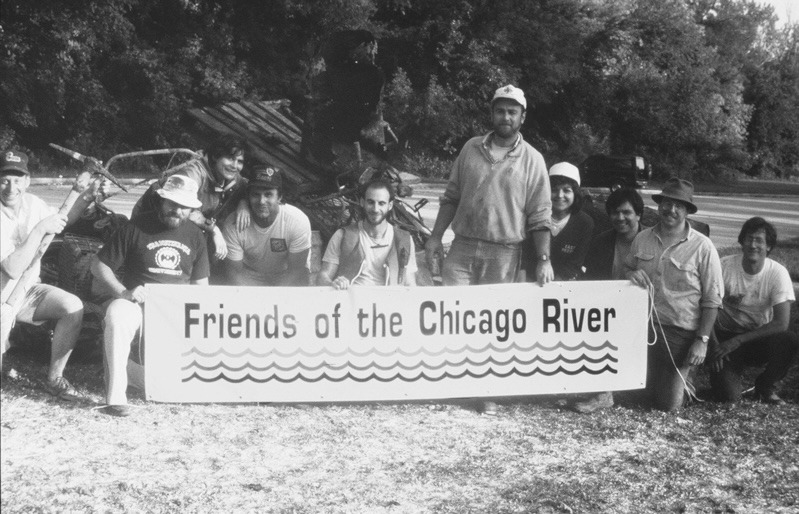
The idea behind Friends of the Chicago River emerged when the waterway was primarily viewed as a shipping and waste disposal canal. Decades of industrial development had caused severe water pollution and habitat degradation. The organization was the first—and remains the only—entity entirely dedicated to restoring this specific river system. Its mission is to build a healthy, climate-resilient ecosystem that offers open, equitable access to all residents.
Over the years, the group has engaged more than 41,000 members, including volunteers, activists, and supporters. Since 2005, the organization has been led by Margaret Frisbie, a renowned environmental leader who has received national awards for her contributions to conservation initiatives.
Environmental Initiatives
Friends of the Chicago River is known for its pioneering approaches to aquatic ecosystem restoration. Back in 1983, the organization helped pass the city’s first ordinance ensuring public access to the river. This legislation kickstarted the development of a continuous network of riverwalks and trails.
In the 1990s, the group led the charge in organizing canoe trips, challenging the perception of the river as a hazardous space. These early outings eventually grew into large-scale events, athletic competitions, and community clean-ups. A major milestone came in 2011 with the adoption of new water quality standards. These new benchmarks allowed the river to be considered safe for recreational use, including swimming—an achievement made possible by years of advocacy from the organization and its partners.
Ecosystem Restoration
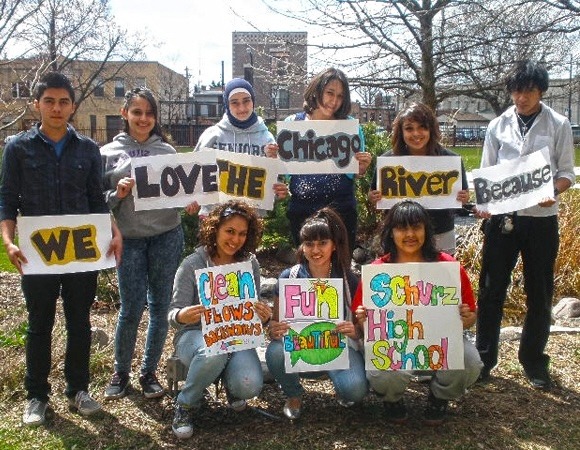
Habitat restoration is a cornerstone of the Friends’ work. In 2004, the organization launched an innovative “fish hotel” project—the first-of-its-kind wetland ecosystem providing urban shelter for local fish populations. Other initiatives have included installing hundreds of nesting cavities for catfish, planting native aquatic flora, and restoring shorelines. These nature-based solutions do more than just boost species counts; they stabilize the ecosystem, curb soil erosion, and improve water quality. Thanks to these projects, restored areas have seen a significant spike in biodiversity, including the arrival of new fish species and better habitats for reptiles and birds.
The organization’s impact extends well beyond local environmental campaigns. Friends actively collaborates with government agencies, local businesses, and civic groups to shape long-term water management policies.
The group tackles a range of critical challenges, including water pollution, nutrient runoff, sewage discharge, invasive species, and the pressure of urban sprawl on natural habitats. They also place a strong emphasis on ensuring equitable river access for neighborhoods across the city.
In 2020, they helped establish the Greater Chicago Watershed Alliance. This cross-sector collaborative platform brought together leading environmental institutions to implement nature-based solutions in the fight against climate change.
Educational Programs
Education is one of the most powerful tools Friends of the Chicago River uses to drive long-term shifts in how the public views the urban environment. The organization works consistently with all age groups to build environmental awareness, practical knowledge, and habits for responsible resource use.
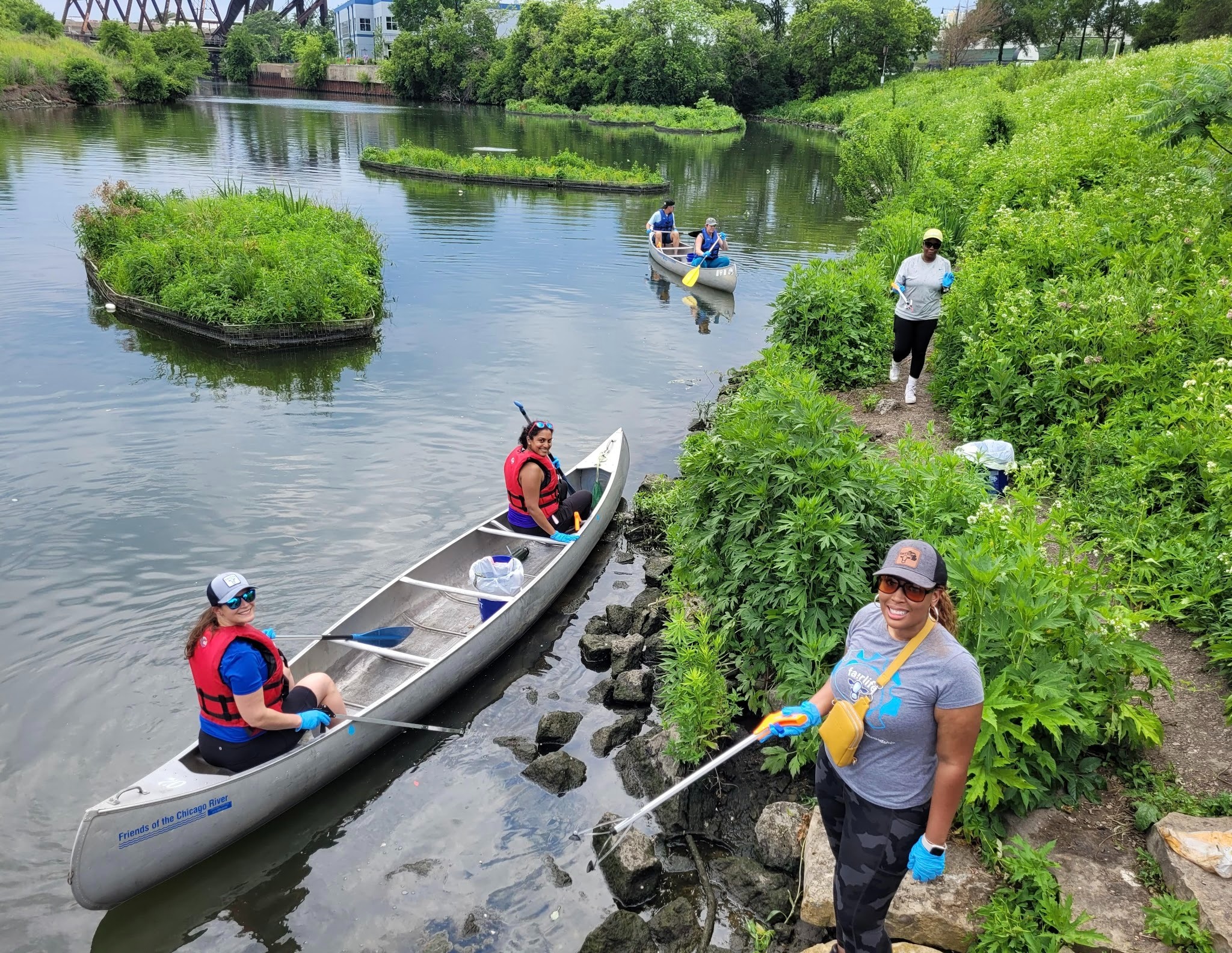
At the heart of their educational outreach is the Chicago River Schools Network. Since its inception, this program has grown into a massive collaborative platform for ecologists and educators alike. Through this initiative, the organization partners with K-12 teachers, helping them weave topics like ecology, hydrology, and sustainability directly into their curricula. Friends of the Chicago River experts provide educators with hands-on support, including study materials, ready-to-use lesson plans, and practical teaching guides. Beyond the classroom, the program also facilitates in-school workshops, field trips to the river, field research, and interactive learning sessions.
A major focus is placed on experiential learning. Students don’t just absorb theory; they actively participate in solving real-world environmental issues. This includes testing water quality, monitoring biodiversity, and taking part in conservation events. As a result, over 475,000 young people have gained firsthand experience interacting with their local urban ecosystem.
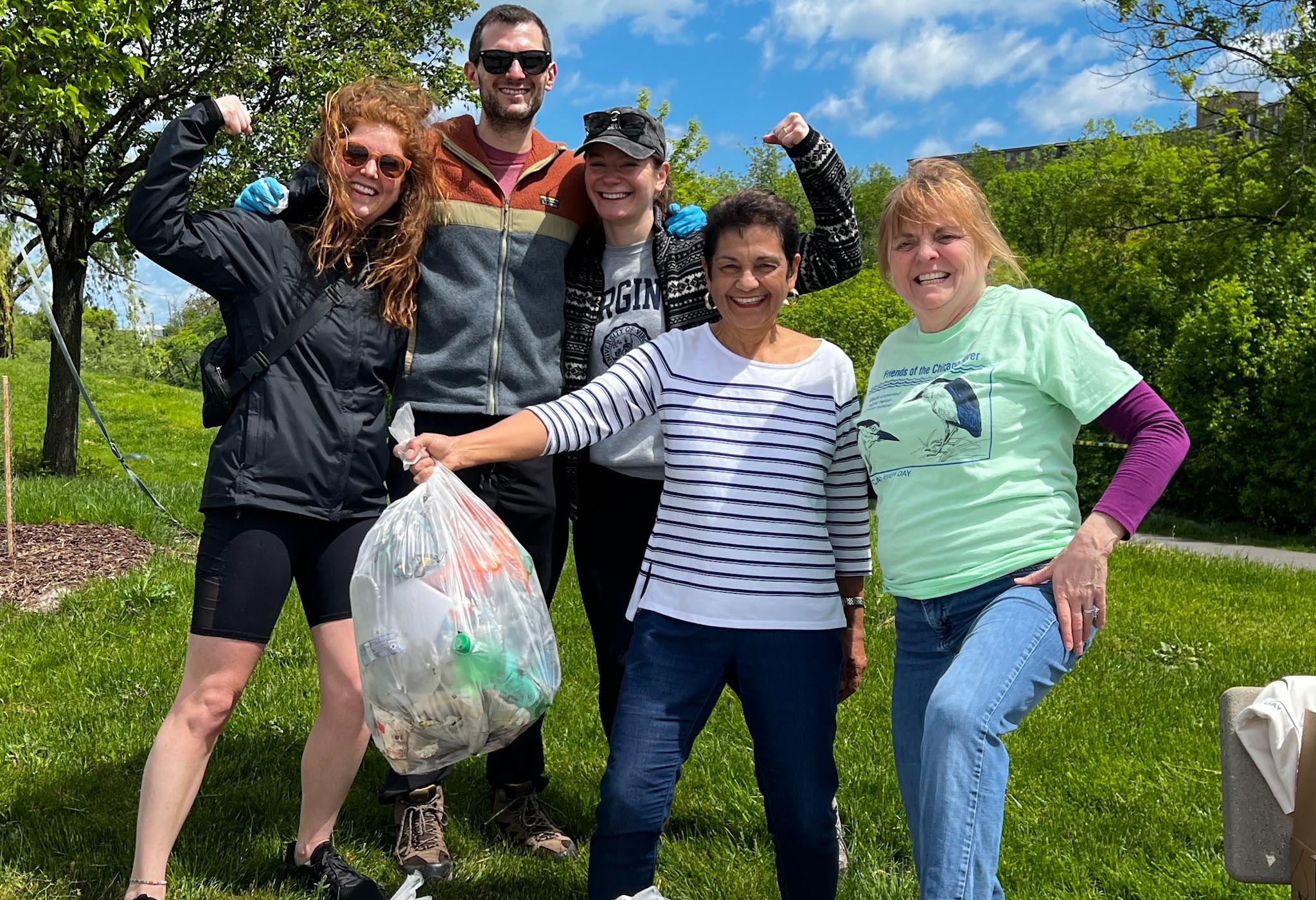
Launched in 1992, Chicago River Day has become one of the region’s largest environmental volunteer events. Every year, over two thousand volunteers join the cause, fanning out across dozens of locations along the river and into the suburbs. Participants clear trash from the riverbanks, restore natural habitats, and repair nature trails. Since its founding, Chicago River Day volunteers have removed roughly two million pounds of garbage and invasive plant debris.
Another unique avenue for raising river awareness is the McCormick Bridgehouse & Chicago River Museum. Housed in one of the historic bridgehouses on Michigan Avenue, this educational space serves a dual purpose. It gives visitors a behind-the-scenes look at the mechanics of Chicago’s famous movable bridges while also telling the ecological story of the river itself. The exhibits trace how the water system has transformed under the weight of urbanization and highlight modern restoration efforts. By blending formal education, civic engagement, and cultural projects, the organization successfully shifts public mindsets, turning environmental responsibility from an abstract concept into an everyday practice.
Research conducted alongside their partners has shown that investing in clean water and green infrastructure yields a massive economic payoff. For every dollar invested, the local economy sees an estimated return of $1.70 through revenue, tax dollars, and job creation. Ultimately, the environmental initiatives led by Friends don’t just heal the planet—they also stimulate the region’s economic growth.
Friends of the Chicago River stands as a prime model for effective urban environmental transformation. Through a blend of grassroots activism, scientific rigor, and government partnerships, the organization has completely shifted how the river is perceived—transforming it from a polluted canal into a treasured natural resource. Their ongoing work proves that even in complex urban landscapes, it is entirely possible to restore an ecosystem, weave it back into the fabric of community life, and make it a crucial engine for sustainable development.