

In the 19th century, American industrialization was mostly based on the coal industry. Anthracite was a cheap and efficient source of energy for steam engines and furnaces throughout the United States. According to chicagoname.com, the extraction and utilization of anthracite led to various technological innovations in the mining sector and energy consumption.
A little bit of statistics
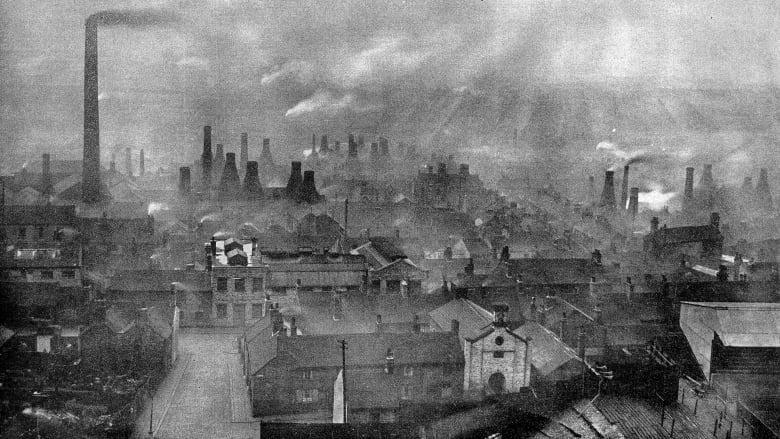
Coal was extracted within a 60-mile radius from Chicago. This fossil fuel quickly became the main source of energy during most of the city’s history. Coal served as fuel for steamboats and railways. It was used to heat houses, pump water and produce steel. In addition, this solid fossil became the primary source of gas and electricity.
As of 1854, 50,000 piles of firewood and 52,000 tons of coal were burned in Chicago. The population of Chicago reached about 70,000 people at that time. This amounts to approximately 1.5 tons of coal per person.
In 1912, the Department of Smoke conducted a thorough calculation of coal consumption. It was found that 3 million tons were consumed by trains, 4 million tons by construction plants and foundries and less than 1 million was spent on gas generation. About 13 million tons of coal were used for heating, electricity and stationary energy (water supply pumps, steam engines, machine tools).
It is worth mentioning that natural gas first became available in 1932. It was mined from coal before that. The final transition to natural gas took place in the 1960s.
Coal was the primary fuel for heating buildings in Chicago. Analyzing the census data for 1940, the city had 949,744 housing units. There were 625,310 houses with central coal heating, 182,509 used coal stoves, around 100,000 heating oil, 40,000 gas and a few thousand used other types of fuel. Thus, approximately 85% of households utilized coal.
To obtain heat and hot water, people burned garbage with coal. This type of heating had certain features. In large buildings, there were workers who moved coal and ash and operated boilers.
Great innovations
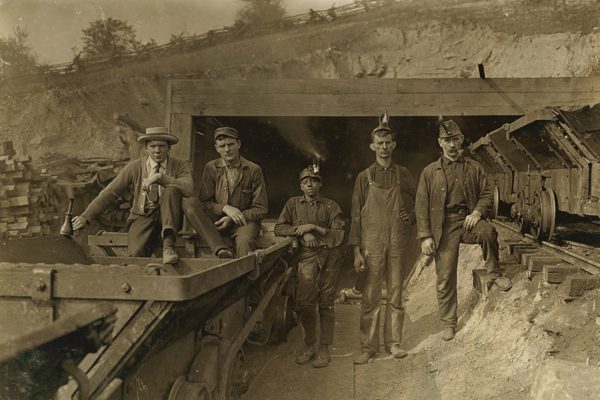
Coal became an important component in the manufature of iron, steam engines and railroads, not only in Chicago but throughout the United States. Before the extraction of these anthracites, Americans produced iron using charcoal, that is, wood burned in the absence of oxygen. However, this required a large amount of wood. Iron production began to expand rapidly with the introduction of coal, spawning other industries.
Steam engines made of iron and steel were a reliable source of energy for developing factories and plants. For a while, they had to use water from rivers, but they faced daunting challenges when the reservoirs got frozen in winter.
Steam engines contributed to the development of industrial production regardless of local energy sources. When they were combined with thousands of miles of iron rails, the railroad became the quintessence of a nation undergoing industrialization. Trains quickly transported people and goods in any weather.
In addition to fuel substitution, people also had to buy a new stove with the transition to coal in households. Men had to chop, split and stack firewood, while women were responsible for cleaning wood and then coal stoves. The latter also cleaned coal stoves from soot.
Finally, coal was utilized in many different industries, which helped to improve the economy. Factories and plants increased their production after the installation of coal-fired steam engines. Construction brigades preferred cheaper iron rods, nails and screws. In addition, a new industrial branch, the production of coal-burning stoves for homeowners, was created.
Catastrophic environmental damage
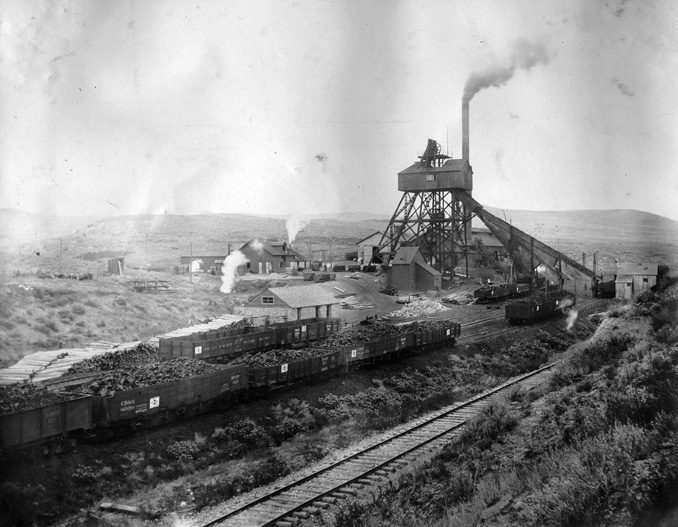
However, people at that time did not even suspect that coal is one of the main sources of environmental pollution and climate change. Coal releases twice as much carbon dioxide as natural gas when burned to produce the same amount of electricity.
During the operation, coal-fired thermal power plants emit sulfur dioxide and solid mercury particles into the air, rivers and streams. These emissions not only affect the environment but also pose a threat to human health.