The story of gardening in old Chicago is a fascinating one, with roots that stretch back to the city’s very beginnings. At first, Chicago’s horticultural efforts focused on sourcing plant material from traveling tree vendors who acted as agents for nurseries in the East. Decorative trees not native to the Midwest, like the white pine, were widely available. However, the difficulty of transporting healthy specimens over long distances soon led to the growth of regional nurseries, according to chicagoname.com.
A Pioneer in Chicago’s Gardening Scene
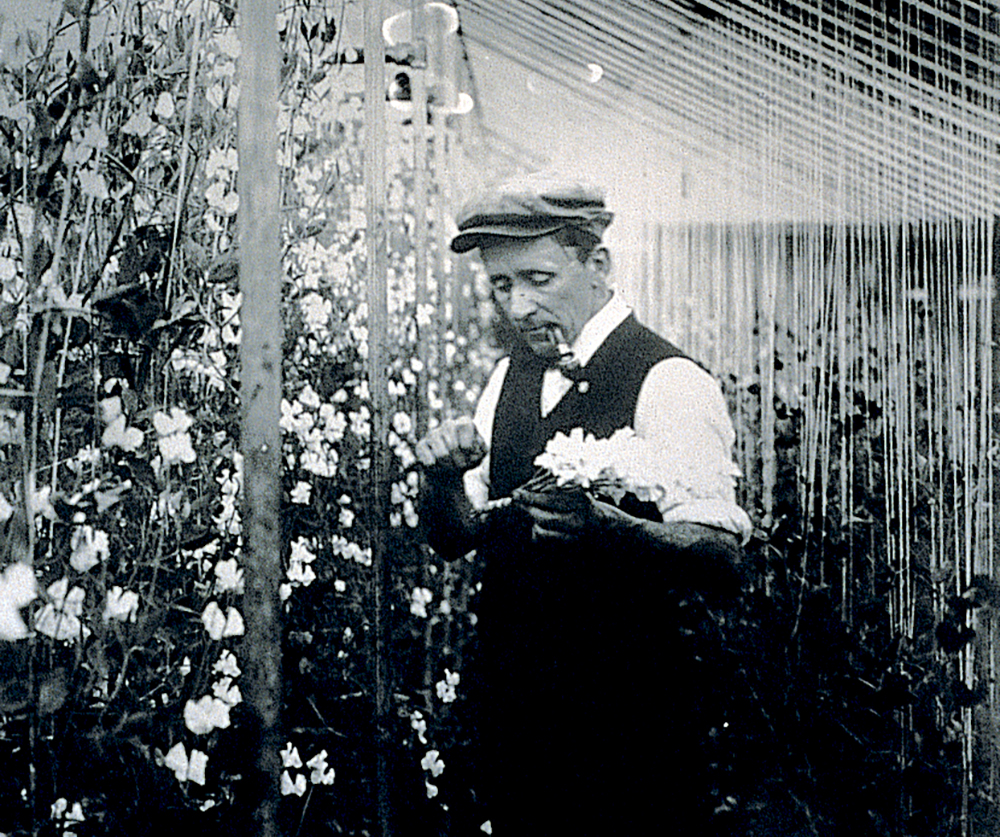
One of Illinois’s earliest nurserymen was John Kennicott, who also served as the influential horticultural editor for the popular publication Prairie Farmer. His Grove Nursery, located in what is now Glenview, specialized in a variety of species suitable for the Great Lakes region. Kennicott was instrumental in organizing the Illinois State Agricultural Society in 1853 and the Illinois State Horticultural Society. He also played a key role in promoting advanced farming methods through public fairs, exhibitions, and research.
Proponents of the city’s development encouraged ornamental gardening to demonstrate Chicago’s cultural sophistication. For the city to thrive and compete with others, it had to be more than just a place for commerce. This thinking led to the adoption of the motto “Urbs in Horto” (City in a Garden) in 1837. However, the practical pressures from farmers and entrepreneurs prevailed, and horticultural literature emphasized planting hardy, low-maintenance plants. Many of these remained popular regional varieties, including phlox, carnations, heliotropes, and pyrethrums. When it came to shrubs, deciduous varieties like the Rose of Sharon, spirea, and lilac were preferred over evergreens. Almost all of these were imported, as few native wildflowers adapted well to domestication. Exceptions included liatris, pea flowers, and false gooseberry. Creating vegetable gardens with cold frames and greenhouses to extend the growing season was also encouraged at the time.
City Gardens and Horticultural Clubs
Most city gardens were modest, resembling their rural counterparts in plant variety but on a smaller scale. Wealthier urbanites, however, favored elaborate displays, often entrusting the care of their grounds to professional gardeners. Fashionable imported plants, like the 19th-century-favorite dahlias, required special attention. John Kinzie, president of the Chicago Horticultural Society in 1847, boasted more than 50 dahlia varieties in his own garden. While formal garden designs were rare outside the city, the more natural “cottage” style, popularized by Andrew Downing, could be found in both urban and rural settings.
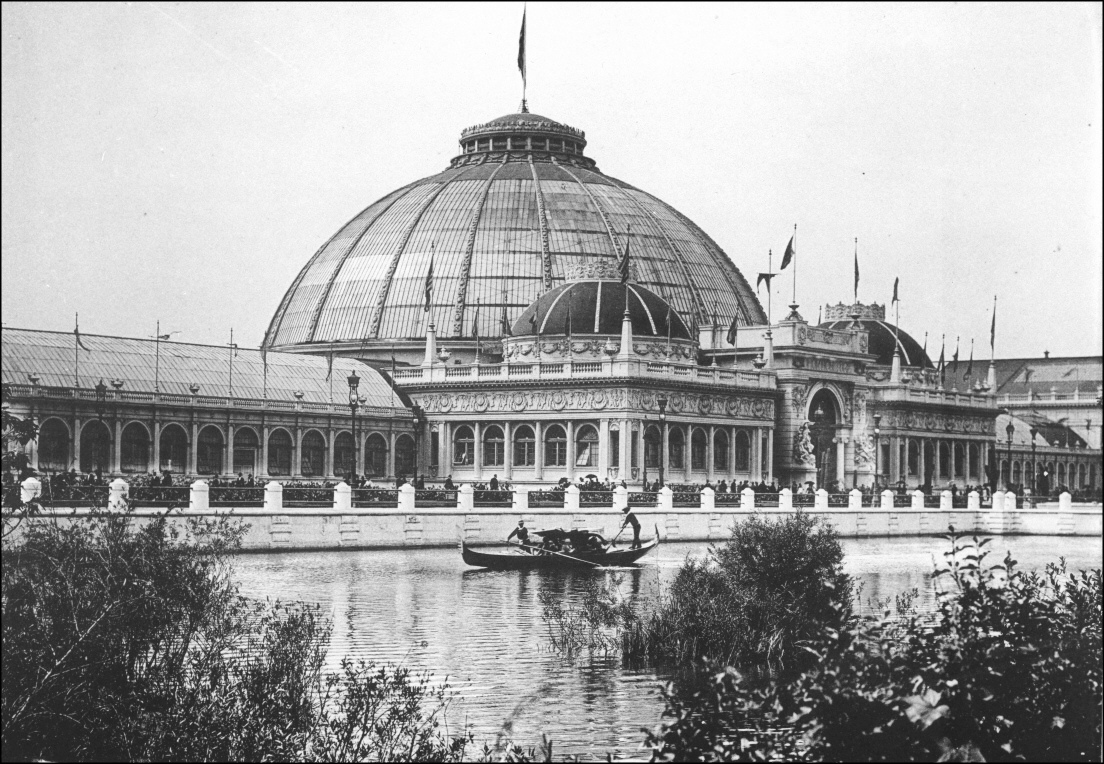
Chicago residents also had access to a variety of impressive horticultural exhibitions. The 1893 World’s Columbian Exposition featured a massive horticulture building filled with exotic plants from around the globe. In front of it was a naturalistic wooded island and lagoon designed by Frederick Olmsted. Conservatories in the Chicago Park District, later replaced by the single, larger structure at Garfield Park in 1905, also presented numerous exotic displays. Meanwhile, a new era of landscape design called the “prairie style,” championed by Jens Jensen and others, promoted using native species to give landscapes a distinctly Midwestern feel.
The first garden clubs emerged in Philadelphia in 1904 and soon spread across the country. Just one year later, the North Shore Horticultural Society was founded in Lake Forest. By 1928, there were more than 30 clubs in the Chicago area. Annual downtown meetings lasted for several days, featuring presentations on topics ranging from “The Art of Japanese Flower Arrangement” to “Insect Control.”
Through it all, gardening remained a democratic pastime, a fact well understood by local businesses. The Vaughan’s Seed Store chain, with two locations in Chicago and large greenhouses in Western Springs, was a supporter of garden clubs but also aimed to reach a broader audience through its regular radio program on Chicago station WDAP. The show, with episodes like “Landscaping the Small Home Grounds,” paid special attention to the needs of urban gardeners. The Chicago Park District made parallel efforts, publishing informational booklets on low-maintenance plants suitable for the Great Lakes climate. During both World Wars, these efforts shifted to the productive cultivation of fruits and vegetables.