

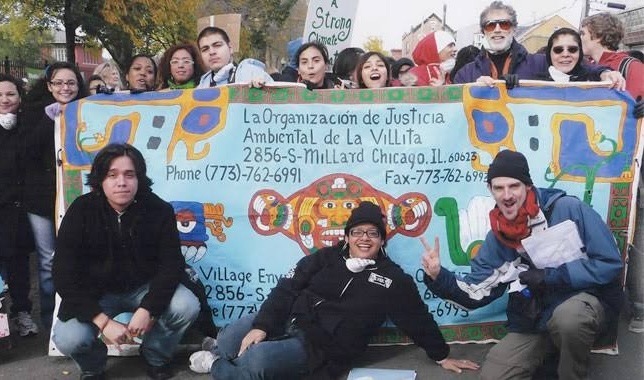
This U.S.-based grassroots nonprofit operates in Chicago, Illinois. Its primary goal is to achieve environmental justice for Little Village, one of the city’s most densely populated and heavily industrialized neighborhoods. The organization was founded in 1994 in response to severe childhood health issues and environmental pollution directly impacting the local community. Over time, LVEJO has evolved into a powerful hub for civic activism, blending environmental, social, and urban initiatives. Read more on chicagoname.
Origins of the Movement
The story of LVEJO began at Joseph E. Gary Elementary School. During renovations, children were exposed to hazardous materials, including potentially lead-contaminated dust. At the time, the school saw a spike in asthma attacks, fainting spells, and poisoning risks. Parents and community members banded together to halt the dangerous daytime construction, successfully pushing to move the work to nighttime. This local victory sparked an organized environmental movement that eventually grew into LVEJO. The organization didn’t start as a top-down formal structure; rather, it emerged as a direct community response to real environmental threats endangering children’s health.
In its early years, LVEJO focused heavily on youth outreach and hyper-local environmental issues. Under the leadership of its first executive director, Victor Ceballos, the organization launched youth programs and actively engaged residents in assessing the neighborhood’s environmental landscape.
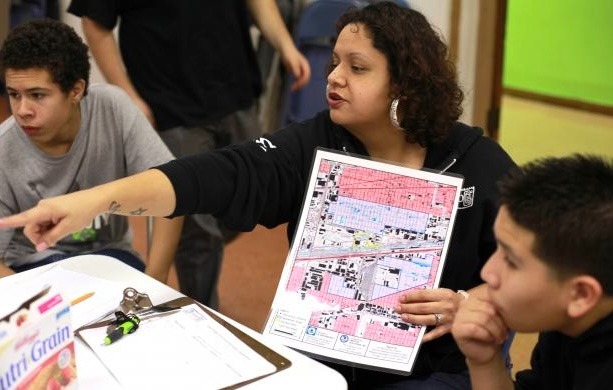
Community surveys and environmental risk mapping became crucial tools. They helped pinpoint key issues: industrial pollution, a stark lack of green spaces, and transit inequity. This laid the groundwork for three major future campaigns—targeting the impact of coal power plants, cleaning up degraded industrial sites, and improving limited public transit access.
The organization operates on three core principles:
- Intergenerational leadership.
- A steadfast belief that the community holds the solutions to its own problems.
- Relying on the neighborhood’s existing resources and strengths.
The Fight Against Pollution
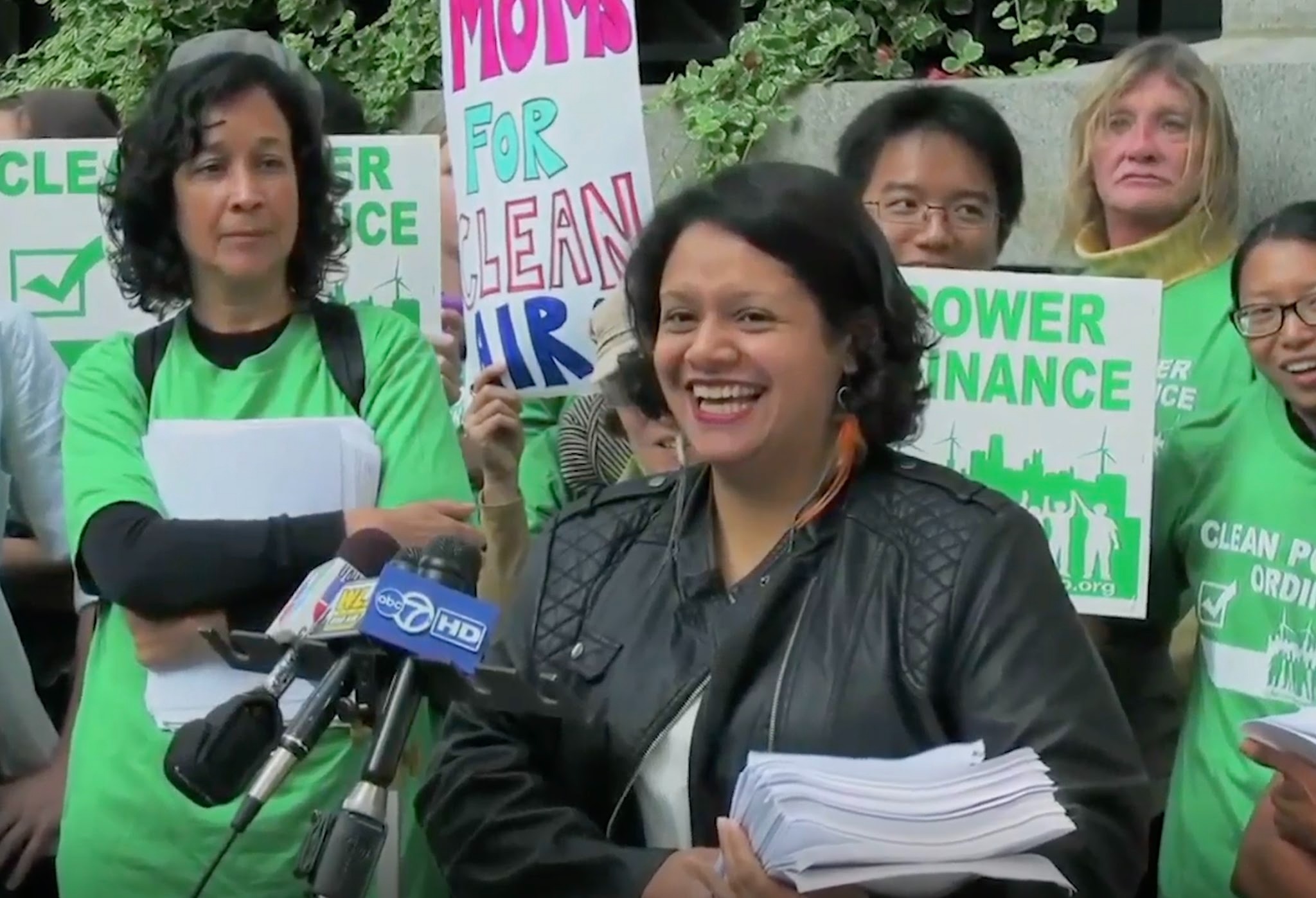
One of LVEJO’s most famous achievements was its role in a coalition of environmental groups that successfully fought to shut down Chicago’s Fisk and Crawford coal power plants.
A 2002 study by the Harvard School of Public Health revealed the severe toll these plants took on public health, linking them to premature deaths, thousands of asthma attacks, and tens of thousands of other health complications. The study also highlighted the massive economic drain on the region due to hidden healthcare costs. After years of relentless public pressure and advocacy, the closure of both power plants was announced in 2012. This victory remains one of the most significant environmental justice milestones in Chicago’s history.
Accessible public transit has been another major battleground for LVEJO. When the 31st Street bus route was axed in 1997, residents were left stranded with severely limited transit options. The organization fought hard to bring back the Chicago Transit Authority (CTA) route. In 2012, the route was partially restored and later extended on a trial basis. While it was a compromise, it proved that the community could actively shape city transit policy. For LVEJO, public transit is a fundamental environmental justice issue—access to mobility directly impacts residents’ quality of life, job prospects, and health.
Restoring Green Spaces
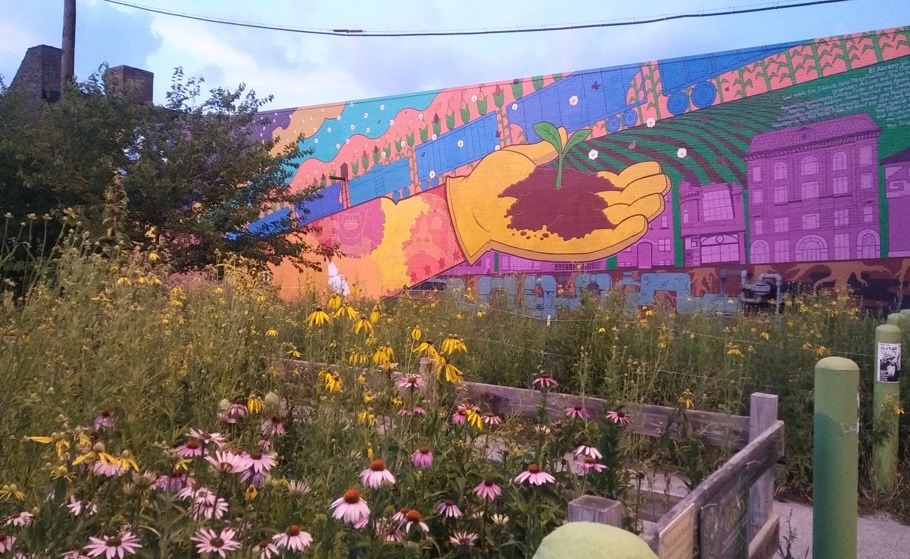
For a long time, Little Village suffered from a critical lack of green space. In response, LVEJO spearheaded massive efforts to reclaim and build public areas. A crown jewel of these efforts is La Villita Park, a sprawling 22-acre park built on the former Celotex industrial site. It stands as one of Chicago’s largest brownfield transformations. As the first major green space created in the neighborhood in decades, it essentially doubled Little Village’s open parkland, offering sports fields, recreation areas, and a true community hub.
Another landmark project is the Semillas de Justicia community garden, built on a remediated industrial lot. The garden serves multiple purposes: it gives residents a place to grow organic food, creates a space for social connection, and supports environmental education. It hosts community dinners, educational workshops, art classes, and annual harvest festivals. This project perfectly illustrates how reclaimed land can transform into the beating heart of a community.
LVEJO continues to tackle the toxic legacy of the 31st Street Collateral Channel, a waterway tainted with heavy metals, sewage, and other pollutants. Studies confirm dangerous levels of contamination that pose severe risks to both the environment and human health. The organization stands firm that any future development on this site must be preceded by a complete ecological cleanup.
Educational Initiatives
LVEJO actively runs educational programs for local schools. The organization provides:
- Curricula focused on ecology and the urban environment.
- Integrated classroom programs.
- Extracurricular activities centered on environmental themes.
- Hands-on community fieldwork.
These programs ensure that students don’t just study ecology in a textbook—they see how it plays out in their own neighborhood, from air quality issues to park access.
Youth Organizing is a standalone pillar of their work. Young people are encouraged to dive into local environmental issues, analyze the root causes of pollution, join public campaigns, and hone their leadership skills. Through these programs, youth tackle real-world environmental justice cases, focusing on green spaces, air pollution, and urban planning.
LVEJO also hosts educational events for adults and families. These include info sessions on air and water pollution, environmental safety training, town halls on city projects, and workshops on environmental justice principles. This approach ensures that education reaches beyond students to entire families, amplifying the impact across the community. The ultimate goal isn’t just to inform, but to spark civic action. The organization wants residents to understand local environmental risks, know how to influence city policy, join campaigns, and build grassroots leadership skills.
Over more than two decades, LVEJO has become a shining example of how a local community can sway major urban and industrial decisions. Its campaigns have shut down polluting facilities, revived transit routes, and carved out new green spaces. The organization has built a model of environmental justice where the residents themselves—especially those hit hardest by industrial pollution—take the lead. LVEJO proves that municipal environmental policy only works when it’s rooted in community participation, seamlessly blending environmental protection, social justice, and urban development.