Joseph Glidden’s name is known far beyond the borders of the United States. The man made significant contributions to the development of agriculture. Thanks to his efforts and desire to help people, the man became the richest farmer of his time, with a fortune estimated at more than a million dollars, reports chicagoname.com.
Brilliant idea
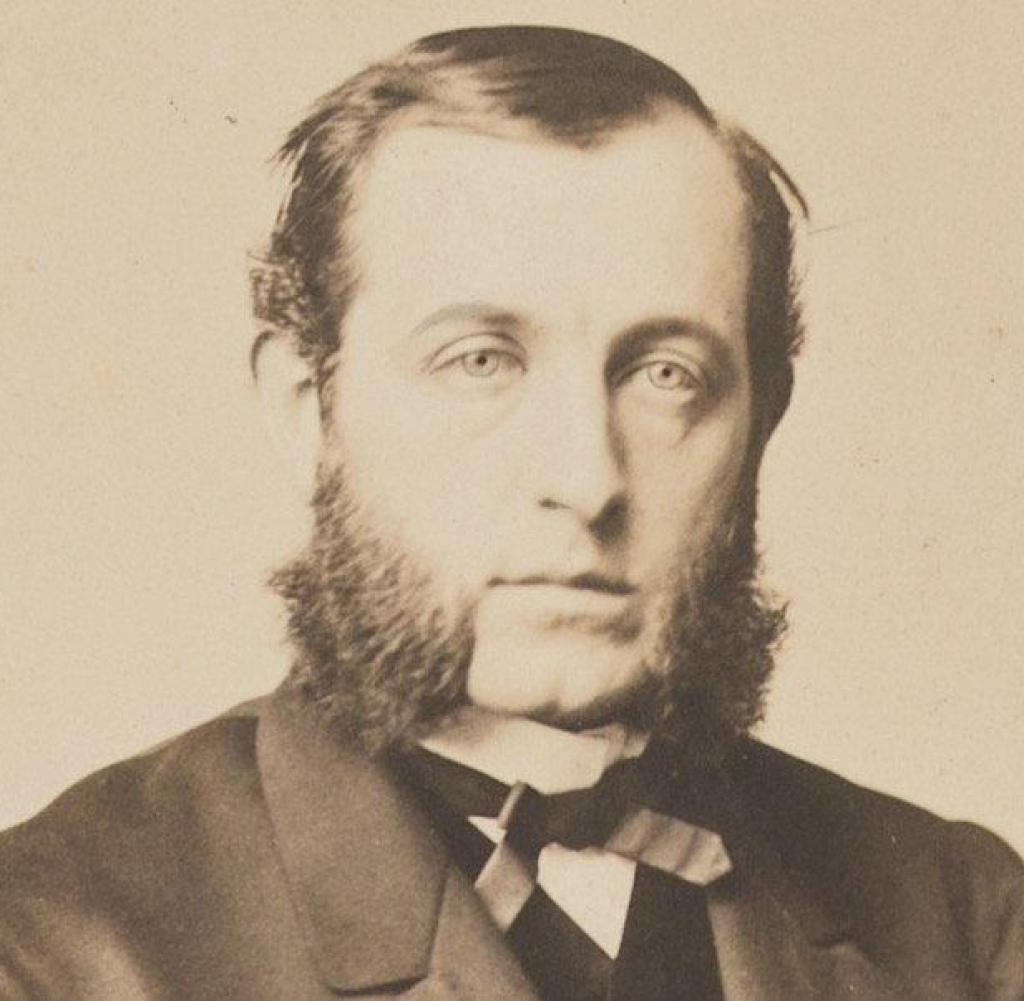
Joseph was a generational farmer. He owned a vast ranch in DeKalb County, Illinois, where he grew cows, geese, pigs and goats. Like many other farmers, the man needed a large number of wooden structures to separate the cattle and birds.
One day, the farmer saw a single-core wire displayed at a DeKalb fair, which had already been patented by Henry Rose and used exclusively for the protection of prisoners and military purposes. The main feature of Rose’s wire was its sharpness. If a person or animal became entangled in it, they received extensive wounds and bled to death.
As soon as Glidden saw the wire, he had a great idea. What if you combine two strands of wire and dull the sharp ends? After all, it won’t hurt animals or people. It can also be used to replace wooden fences, stretching in several rows above the ground. Thus, the cattle pen will be made up of solely vertically positioned wooden posts with stretched wire, rather than solid board.
Joseph bought Rose’s huge coil of wire and headed to the ranch to make his idea a reality. Everything worked out. When the animals and birds hit the wire, they did not approach it again. The slightly pointed ends left little scratches on the pig, which came to the fence and tried to chew it.
Patenting the invention
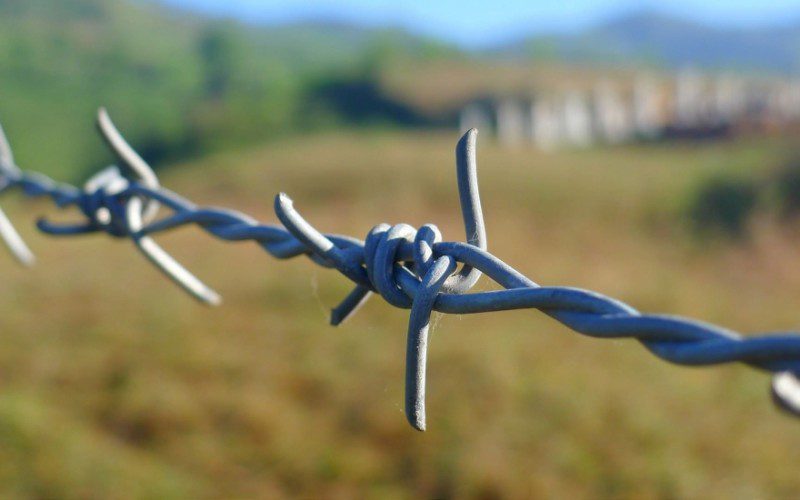
Shortly after completing the necessary calculations, the farmer discovered that fencing ranches and farms with Rose’s wire is 10% more profitable than with wood.
Glidden then consulted a patent lawyer to see if his idea could be patented. For some reason, the man was certain that the US Patent Office would reject his invention since he borrowed it and only slightly modified it.
When the farmer arrived at the Office, the patent expert informed him that Rose’s wires and his are quite similar. However, since all of the strict requirements imposed by the US Patent Office can be easily overcome, it is worthwhile to claim a patent not for wire, but for a wire fence with sharp notches. As a result, the lawyer and Glidden began working together and, within two years, had written instructions for the invention.
The fence was unique in that it did not shade the paddocks. In other words, a farmer didn’t have to open the door to count livestock. Its second advantage is its extended service life. The instructions stated that the wire may last for 20 years. The third advantage is the low cost.
In 1874, the farmer was granted a patent and a year later became the richest man in Illinois. He eventually sold his ranch and bought a huge stone house in downtown Chicago.
Features of Glidden’s wire
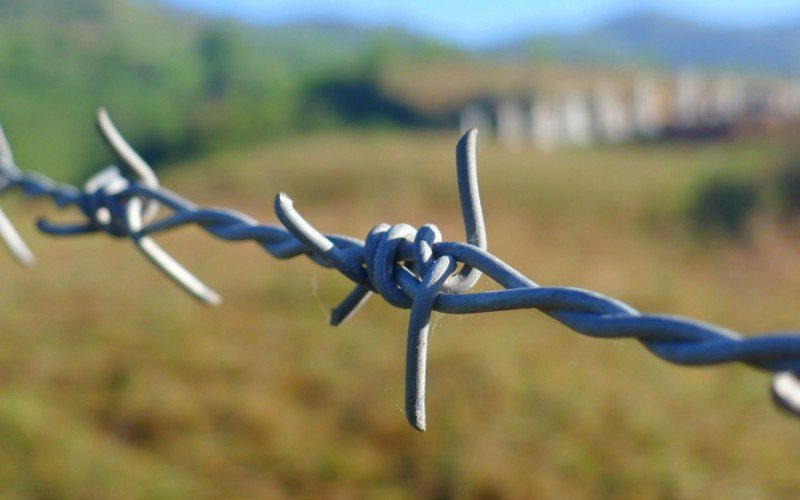
The invention was extremely popular. By 1880, 40 million feet of the product had been sold. The state purchased the patent for a large sum of money, and the use of wire has increased dramatically. Railway companies, in particular, purchased it for the purpose of fencing stations and rail tracks.
With his invention, Glidden bankrupted many woodworking enterprises. The demand for wood quickly declined because the wire did not deplete the soil, was environmentally friendly, did not shade plants, was resistant to strong winds and was very cheap.
The farmer’s invention revolutionized agriculture, putting an end to animal husbandry in open areas. Thanks to it, the amount of livestock and birds taken by wild animals had significantly decreased.
Glidden died in 1906. The farmer left his entire fortune to descendants and contributed half of his earned capital to charity.