

The Chicago Botanic Garden is one of the largest and most visited places in the US. About a million people come here every year. The garden is located in the suburb of Glencoe on 9 islands surrounded by picturesque forests on an area of 156 hectares. It is managed by the Chicago Horticultural Society and the Forest Preserve District of Cook County. Having entered this museum of living nature, you can immerse yourself in the world of perfection and enjoy the beauty around you. Just imagine, it includes 25 gardens and 4 natural habitats, according to chicagoname.com.
How did it all start?
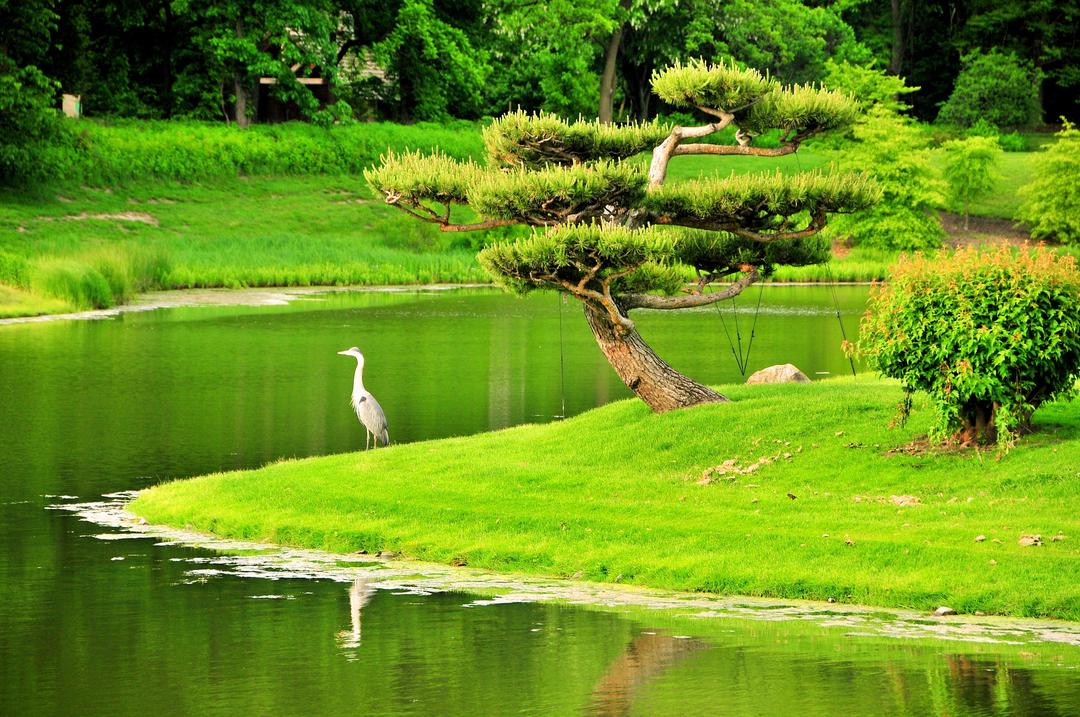
The story begins in 1972. Then two architects, John Simonds and Geoffrey Rausch, drew up a project for the improvement of the abandoned area. After the opening of the garden, several improvements were made to the project. Thus, the Education Center (now known as Joseph Regenstein, Jr. School) was opened in 1976. In 1982, landscape designer Koichi Kawana opened the Japanese Garden. John Brooks founded the English Garden in 1991. The Conservation Science Center was created by architect-designer Booth Hansen and officially opened in 2009.
Unique places in the Garden
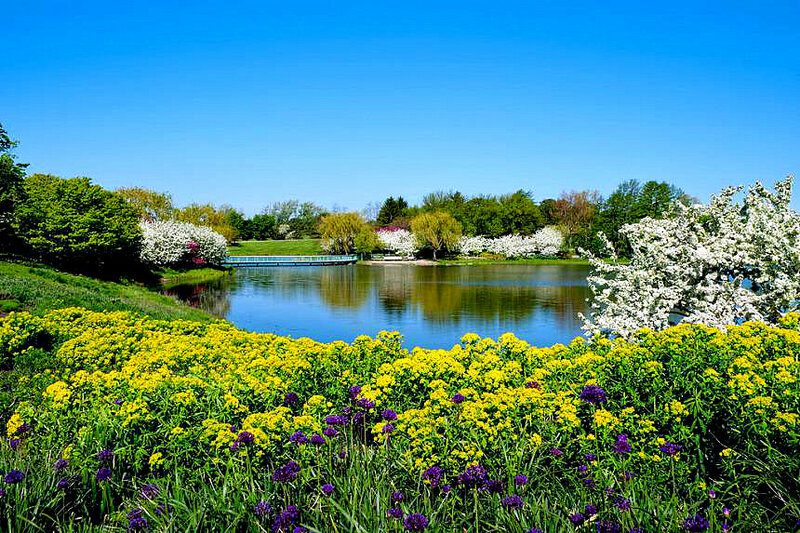
If you plan to visit this picturesque place, it is better to organize a trip for a whole day. While in the garden, be sure to visit several unique locations. It is worth noting that the collections include more than 2.8 million plants that come from various parts of the world and are adapted to the climate and soil of the Midwest.
- The English Garden is surrounded by a fence of whimsically trimmed trees. When they are covered with leaves, their crowns look like parallelepipeds
- The Japanese Garden can be observed from afar. It is located on an island
- The Heritage Garden is similar to the first such European garden. The Lenhardt Library has collected more than 100,000 volumes of special literature, including rare editions.
People are so mesmerized by the scenery in the garden that they visit it every day with great pleasure. Every person can choose the most interesting activity for himself or herself from 1500 options here. For those who want to take care of plants and get a lot of new information, Joseph Regenstein, Jr. School provides special basic courses, after which a certificate is issued.
Environmental Protection
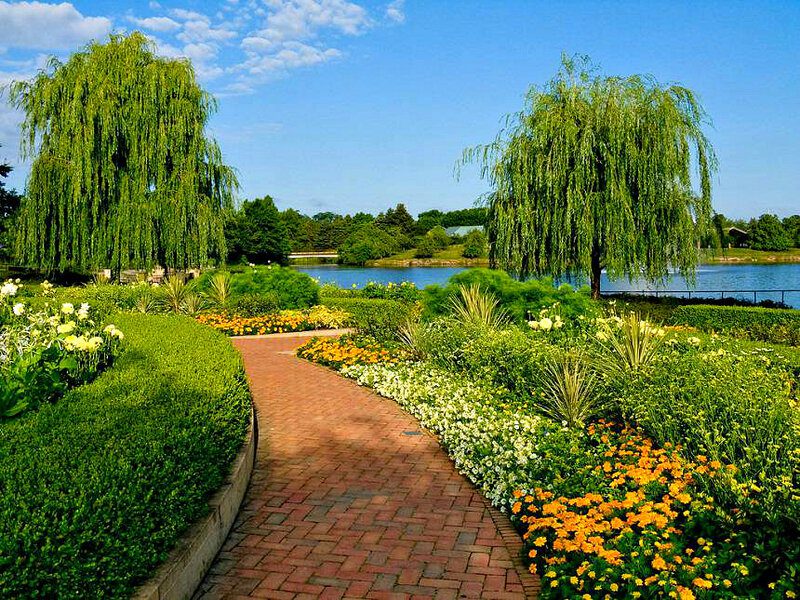
In 2008, this place was chosen by the United Nations Environment Programme (UNEP) as the venue for World Environment Day. More than 30 scientific and environmental organizations took part in this event. Horigan Urban Forest Products prepared a presentation on the best ways to use reclaimed wood from urban trees. Its representatives told the audience about products that help to green up homes, local car parks and public programs aimed at preserving the environment.
Food and paper waste are composted in the Garden regularly. Sustainable irrigation is carried out and minimal use of fertilizers and pesticides is practiced. Garden representatives encouraged people to practice sustainable gardening by composting food waste and installing rain barrels in yards during the event.
In 2006, the Garden received APGA’s ‘Award for Garden Excellence’.
From the end of April to October, a half-an-hour tour of the garden is held every day. People are shown the sights of this place. Thanks to this, everyone can enjoy nature and communicate with like-minded people.
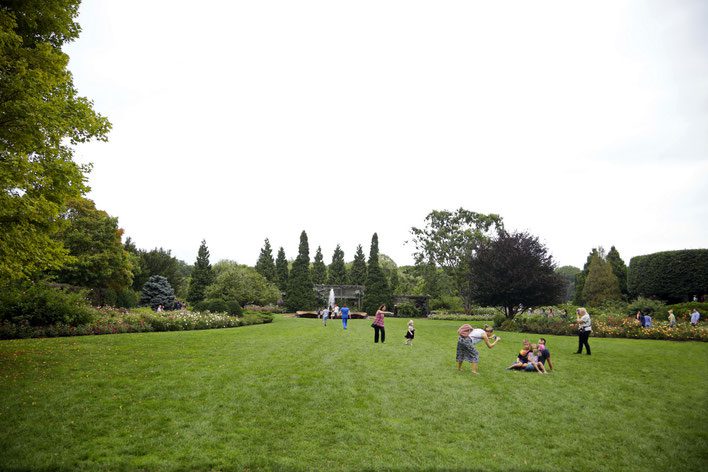
According to the above-mentioned data, the Chicago Botanic Garden is not only a place to relax but also a home for many plants, where certain steps are constantly taken to improve the environment.
