

In the 21st century, the city of Chicago is known not only as a “concrete jungle” consisting of tall skyscrapers and noisy streets but also as a green city that strives for a sustainable future. One of the drivers of Chicago’s sustainable development in the 21st century is eco-farms. They transform empty urban lots, building rooftops, and other abandoned properties into thriving green spaces. The Urban Canopy is one of the vast number of eco-farms in Chicago that deserves special attention. Read more at chicagoname.
Historical roots of The Urban Canopy
The historical roots of The Urban Canopy can be traced back to the early 2000s when a wave of urban farming initiatives began in the United States. Back then, a group of visionary individuals came together to explore the possibilities of urban agriculture in Chicago. They were inspired by a desire to reconnect with nature and promote local food production.
The environmental initiative in Chicago was prompted by a problem that existed at the time, namely school nutrition. Alex Poltorak, one of the founders of The Urban Canopy, collaborated with Chicago Public Schools before founding the eco-farm and studied how nutrition affects children at school. In particular, if a child was malnourished at school or lacked healthy food, their concentration and academic performance in school were much worse. Alex dreamed of using empty rooftops, wastelands and abandoned buildings in the city to grow fruits and vegetables. He also wanted to make a direct supply of organic products directly to schools, shops and on the shelves. In this way, he aimed to solve the problem of the lack of ecological products in Chicago.
Founding and development of The Urban Canopy
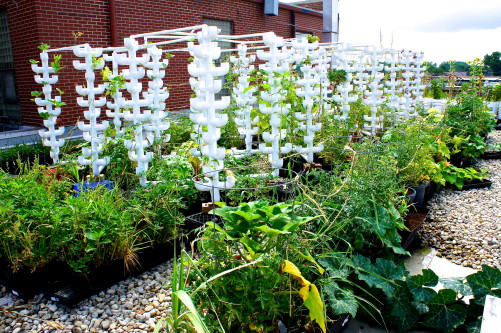
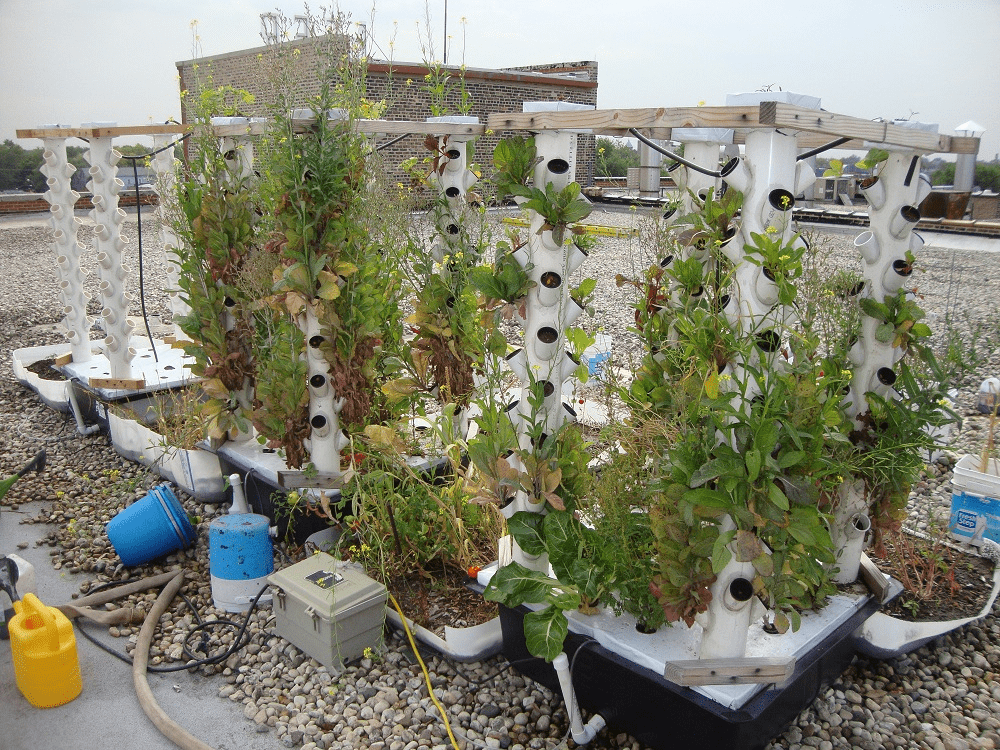
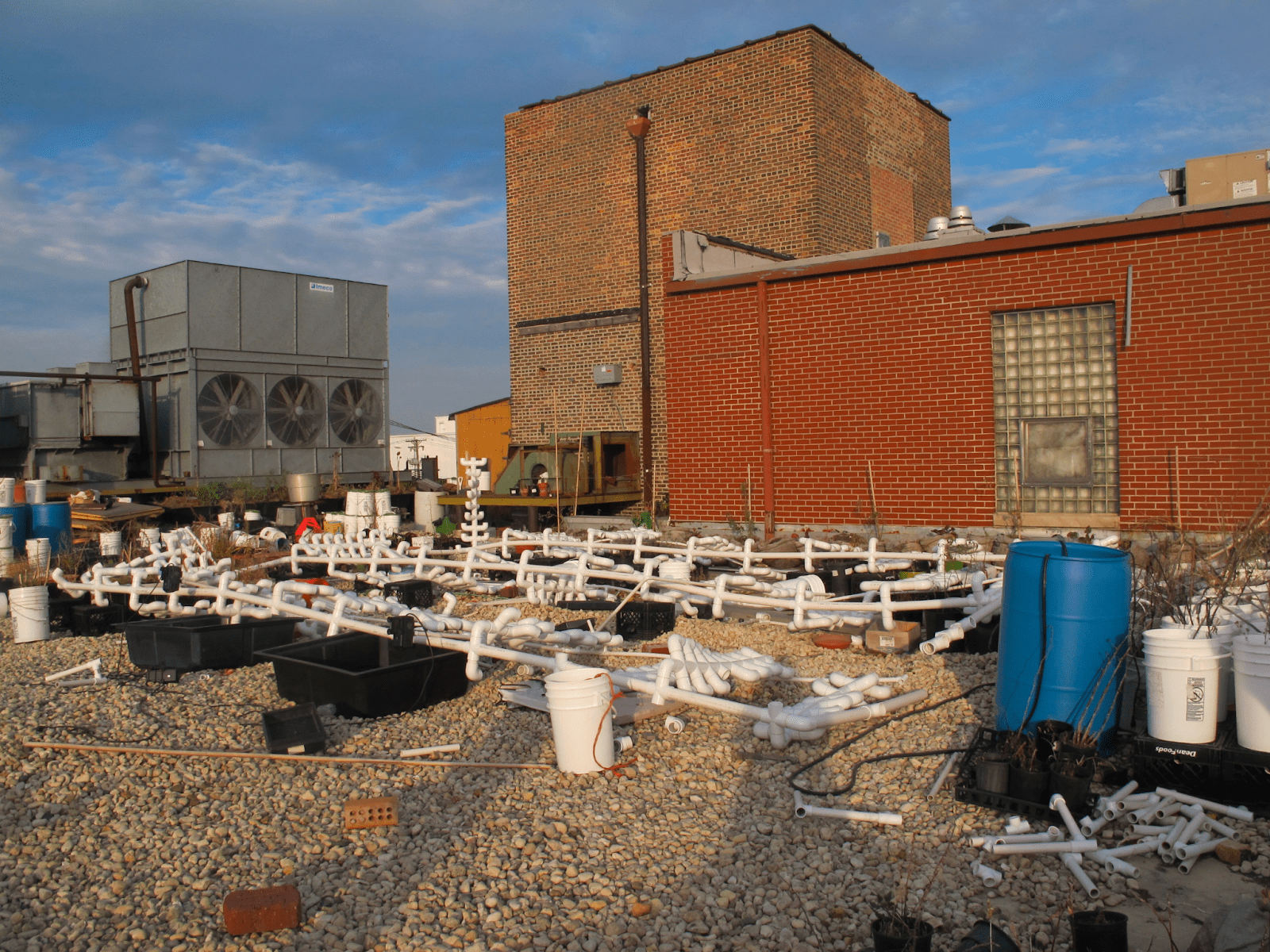
The company was founded in 2011. At that time, the company launched a pilot project. It was a farm located on the roof of one of the old and neglected factories with several test “vertical systems” to promote the concept. The Urban Canopy team actively promoted the eco-farm and sustainable development in urban environments.
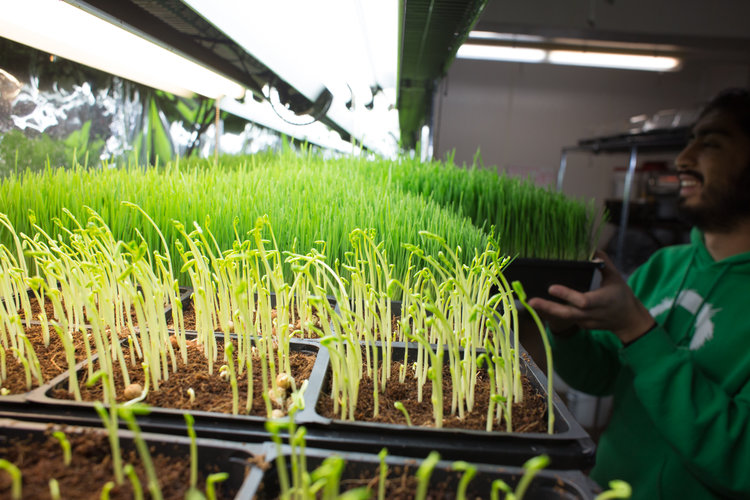
In the 2020s, The Urban Canopy is not only on the roof of an old factory. In particular, the farm has achieved tremendous success in growing and supplying environmentally friendly products in Chicago over the years. The Urban Canopy has become a huge team with a large number of employees. In the 2020s, all of these people are engaged in growing thousands of wheat sprouts and microgreens on their new plots.
In a few years, the eco-farm has reached unprecedented scales. It operates for 48 weeks a year, and in 2022, it produced over 24,000 shares.
The Urban Canopy on the rooftop connects the local food cycle with a food waste collection service that receives valuable nutrients from environmentally conscious Chicago consumers. All of this is processed into compost, which is essential for healthy soil. Some of The Urban Canopy’s compost is used for large-scale vegetable cultivation on the farm in the Englewood neighborhood.
Over the years of operation, The Urban Canopy in Chicago has gained recognition. This was made possible through an innovative approach to urban agriculture. Utilizing methods such as vertical greening, hydroponics and aquaponics, the company maximized the efficient use of urban space and minimized water consumption. The farm has become a model of sustainable urban agriculture and has attracted attention from both local residents and experts in the field.
As the farm grew, so did its impact on Chicagoans. The Urban Canopy not only supplied the people of Chicago and the surrounding area with fresh, locally grown produce but also became a center for educational programs and community engagement. It partnered with local schools, organizing seminars on gardening, healthy eating and environmental protection.