

As one of the leading conservation organizations in the United States, it has spent over sixty years working to preserve natural areas in densely populated regions. Its footprint covers northeastern Illinois, northwestern Indiana, and southeastern Wisconsin—areas where urbanization puts immense pressure on the environment. Read more on chicagoname.
The organization brings together communities, businesses, and government institutions to protect land, water, and biodiversity. It also focuses on developing green infrastructure and building public environmental awareness.
History and Origins
Openlands was founded in 1963 as an initiative of the Welfare Council of Metropolitan Chicago, originally called the Open Lands Project. In its early years, the group actively spearheaded strategic environmental initiatives that would later become landmarks across the United States.
In 1968, the organization became an independent entity under the leadership of Board President Jeffrey R. Short Jr. and Executive Director Gunnar A. Peterson. From the very beginning, it was among the first in the nation to tackle urban environmental issues with a comprehensive approach. A long era of growth is tied to Gerald W. Adelmann, who led the organization from 1988 to 2023. During his tenure, the scope of its work expanded significantly—from preserving open spaces to restoring wetlands and advancing urban forestry. In 2023, Michael S. Davidson took the helm as the new President and CEO.
Core Areas of Focus
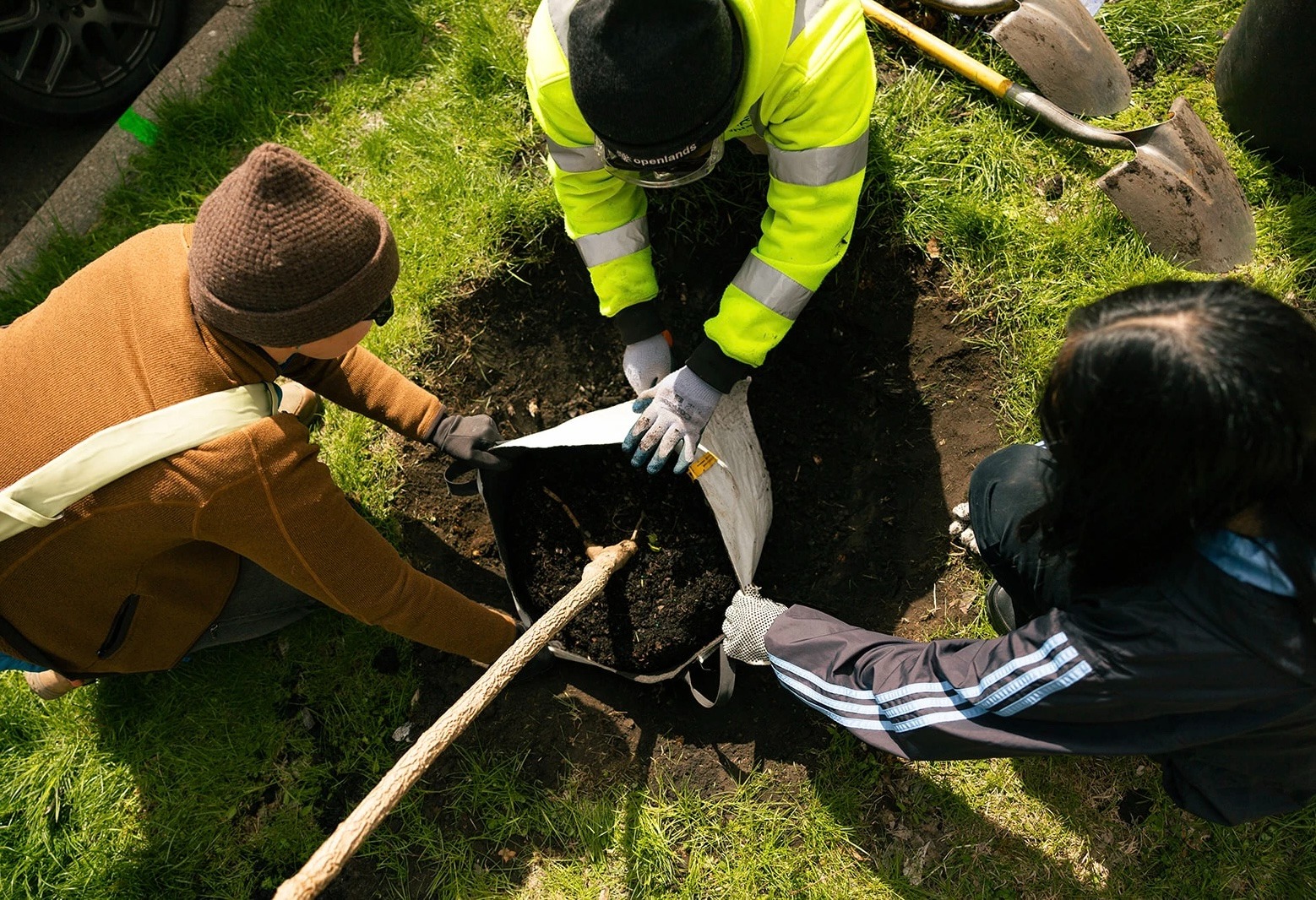
Openlands centers its work on four strategic pillars that reflect a modern approach to environmental management. The organization actively works to conserve land, water resources, and wildlife habitats. This involves acquiring and protecting natural areas, as well as restoring them after human impact. Expanding the urban tree canopy is another critical focus. Through its forestry programs, Openlands helps increase the number of trees in cities, which directly improves air quality, regulates microclimates, and boosts public health.
The group also places a strong emphasis on community engagement, helping people get involved in conservation efforts and ensuring equitable access to green spaces. Simultaneously, it runs active advocacy campaigns to push for environmentally conscious public policies. Official reports highlight the tangible results of these efforts. Over the years, Openlands has protected more than 71,000 acres of natural land and restored over 15,000 acres of ecosystems. The organization’s initiatives are heavily backed by foundations and private donors. For instance, setting up dedicated funds for land acquisition and preservation allows them to scale their conservation work.
The organization ties its programs directly to global environmental goals. It strongly supports the 30×30 initiative, which aims to conserve at least 30% of the planet’s land and water resources by 2030. This initiative is rooted in the scientific consensus that massive land protection is necessary to halt biodiversity loss and stabilize the climate. As a leading regional conservation operator in the U.S., Openlands brings the principles of 30×30 to life through hands-on local action.
Key Projects
The history of Openlands is deeply woven into large-scale environmental initiatives of national significance. As early as the 1960s, the organization helped create the country’s first “rails-to-trails” project, the Illinois Prairie Path. This sparked a brand-new approach to repurposing abandoned infrastructure. Openlands also played a pivotal role in establishing the Indiana Dunes National Park—one of the region’s most treasured natural assets—and shaping the Illinois & Michigan Canal National Heritage Corridor, the first federal designation of its kind in the U.S.
Other major achievements include the creation of the Midewin National Tallgrass Prairie, the nation’s first federally designated tallgrass prairie, and spearheading the Hackmatack National Wildlife Refuge, the first national wildlife refuge in the greater Chicago area. The organization has also executed massive wetland restoration projects.
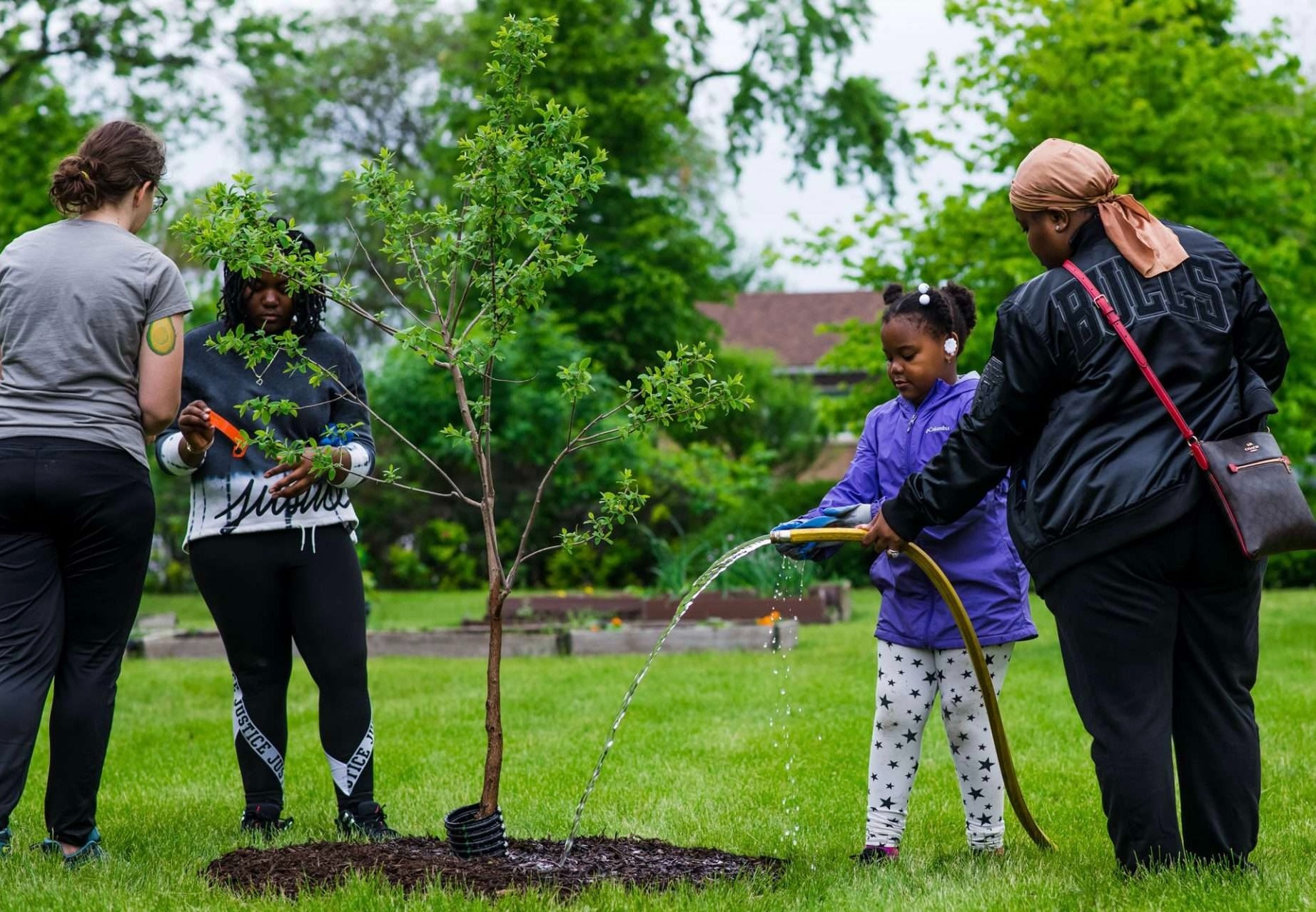
One of Openlands’ most successful ventures is its urban forestry program. Launched in 1991, the TreeKeepers program trains volunteers to care for trees in urban environments. The initiative has certified over 2,000 participants and, since 2013, planted more than 10,000 trees across Chicago. This program fits into a broader strategy to expand the city’s green canopy, a mission that has garnered strong support from charitable foundations. Urban greening isn’t just an aesthetic upgrade; it’s a vital tool for combating climate change, lowering urban temperatures, and improving the overall quality of life. Beyond conservation, the organization creates new career pathways. The Arborist Registered Apprenticeship is a three-year training initiative that prepares urban forestry professionals in partnership with government agencies and businesses.
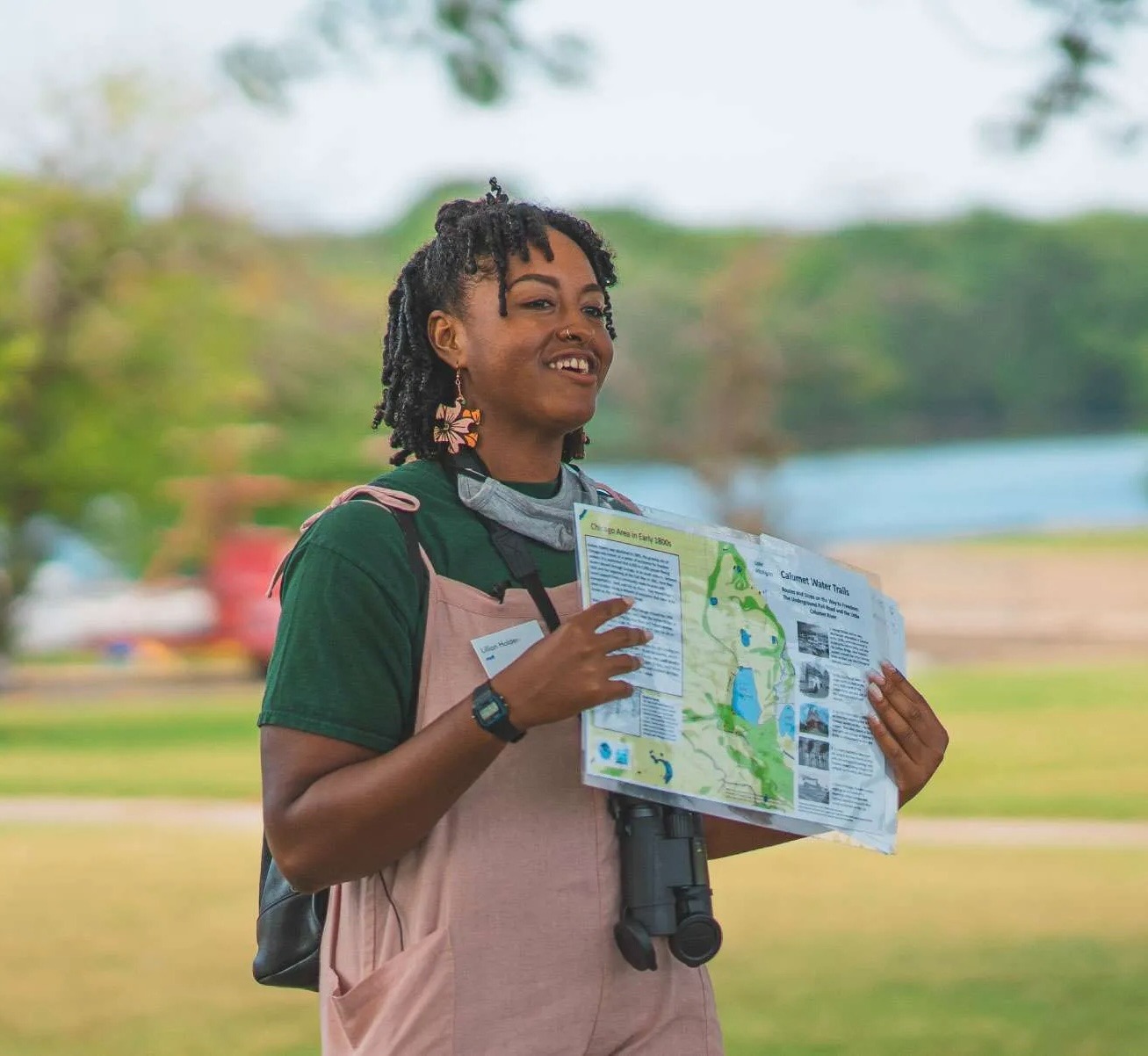
Openlands is actively developing tools to help people connect with nature. For instance, the interactive Openlands Get Outside Map lets users discover hundreds of parks, nature preserves, and trails across the region. The group has also created digital guides for water trails and hiking paths, promoting ecotourism and outdoor recreation.
Educational Initiatives
Openlands is highly active in environmental education, encouraging residents to interact with the natural world. The “Birds in My Neighborhood” program introduces students to ornithology and their local environment, building a foundational understanding of biodiversity.
The “Space to Grow” initiative aims to transform schoolyards into vibrant green spaces with green infrastructure elements. It helps solve localized flooding issues, improves learning environments, and creates new community gathering spots.
Projects highlighting cultural heritage also hold a special place in the organization’s portfolio. For example, the African American Heritage Water Trail shares the rich history of Black communities along the region’s riverways.
Awards and Recognition
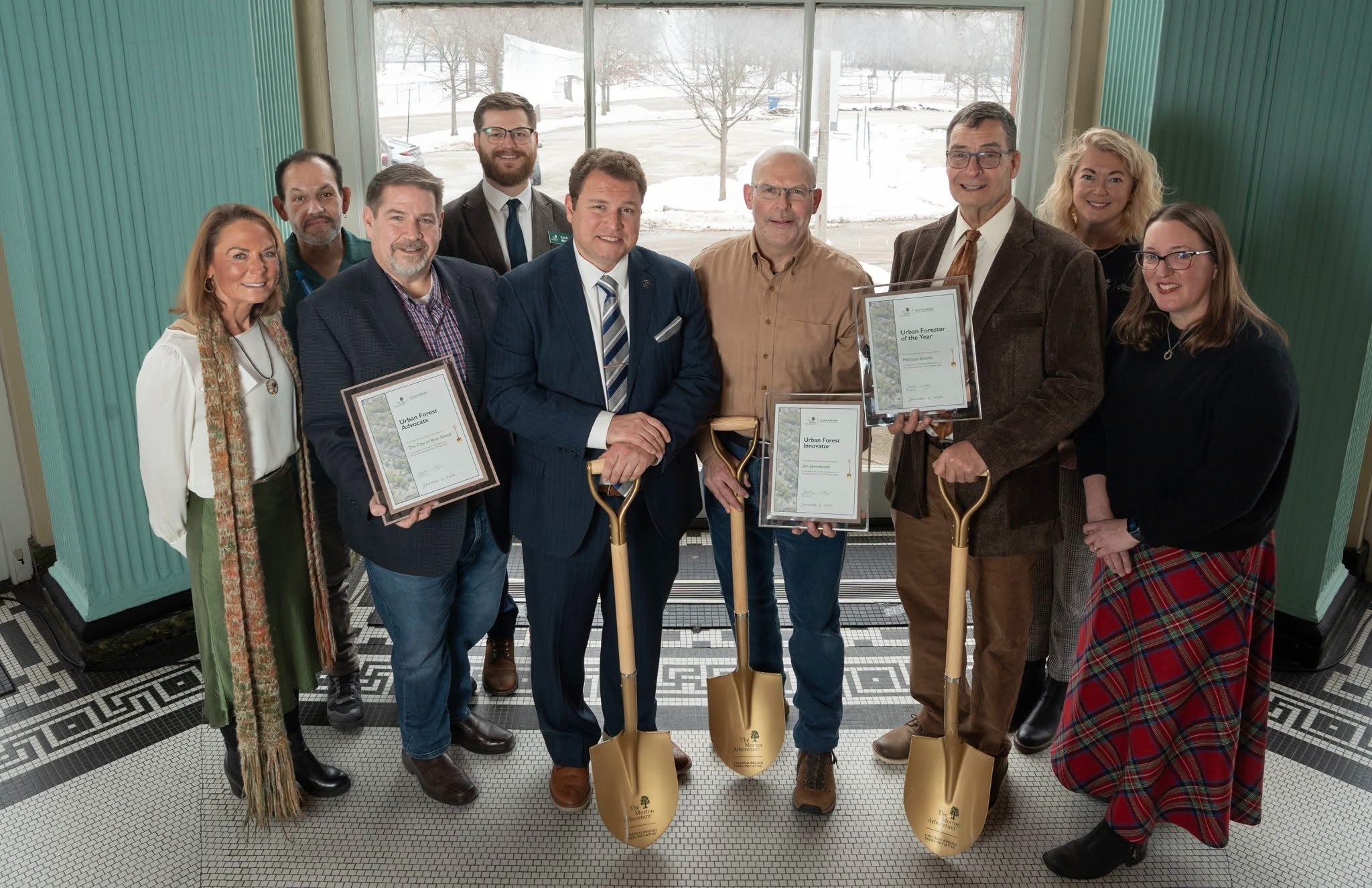
Since 1990, Openlands has honored conservation leaders with a special award, renamed in 2024 as the Gerald W. Adelmann Conservation Leadership Award. It is given for outstanding achievements at the intersection of ecology, civic engagement, science, and the arts. Laureates include prominent politicians, scientists, and organizations—underscoring Openlands’ influence in shaping the environmental agenda locally and nationally.
Openlands serves as a prime example of how a systemic approach to conservation can fundamentally alter the look and function of entire regions. By blending scientific expertise, grassroots activism, and smart policy, the organization consistently achieves long-lasting results. Its work proves that even in highly urbanized areas, it is entirely possible to preserve natural ecosystems and weave them seamlessly into community life.