

One of Chicago’s most important power plants, which had a major impact on the city’s future economic development, was the Fisk Generating Station. With over a century of history, the building’s 20th-century design was once called a “monument to engineering.” However, over time, a harsh reality emerged: in addition to supplying the city with electricity, the Fisk Generating Station was a major source of air pollution, as reported by “chicagoname“.
Construction of the Power Plant
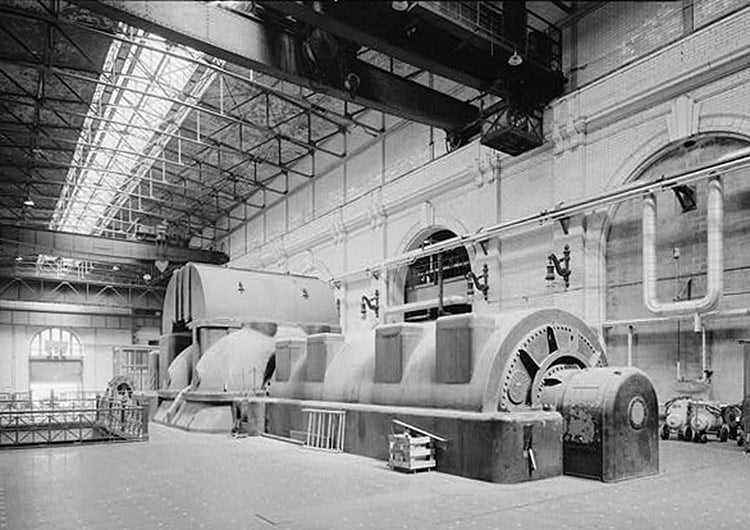
In 1887, the city’s first electricity sales company, the Chicago Edison Company, began operations. This new line of business proved to be highly profitable and grew at a tremendous pace each year.
Over time, smaller companies merged into a single corporation—Commonwealth Edison Company—which built the two largest electricity generating stations in Chicago.
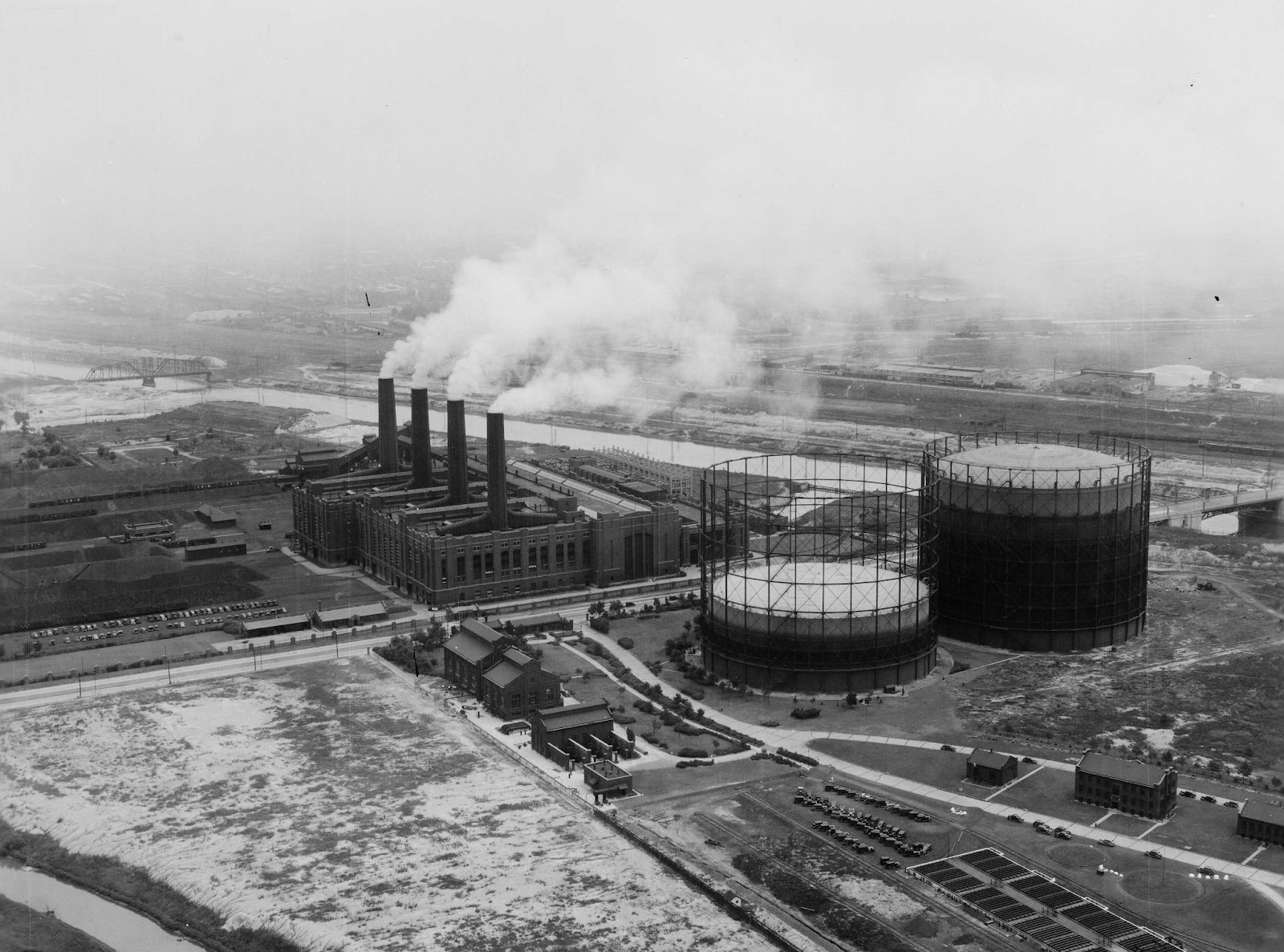
The construction of the stations was preceded by an article in the popular science journal Western Electrician about the design of Chicago’s central stations. The architects for the Fisk Street project were Shepley, Rutan and Coolidge, who were given what was considered a nearly impossible task at the time: to create a massive power station. The project was a success, and thanks to new technologies, the station was built using the most powerful electric generators and steam turbines available. It was fueled by coal.
Commonwealth Edison Company completed the new power plant in 1903. The coal-fired Fisk Station was notable for being the first steam turbine-powered central station in the United States. It was named after Charles Fisk, an official at Commonwealth Edison, to honor his contributions to the development of Chicago’s electrical infrastructure.
Before the station was built, only wealthy residents had electricity in their homes. After the Fisk Station went online, access to electricity became possible for the majority of Chicagoans. Despite this, many people continued to light their homes with gas for a long time.
Overall, the Fisk Generating Station was crucial for the industrial development of not only Chicago but other cities as well, as the design by local engineers allowed for a significant increase in electricity production.
Environmental Problems Linked to the Fisk Generating Station
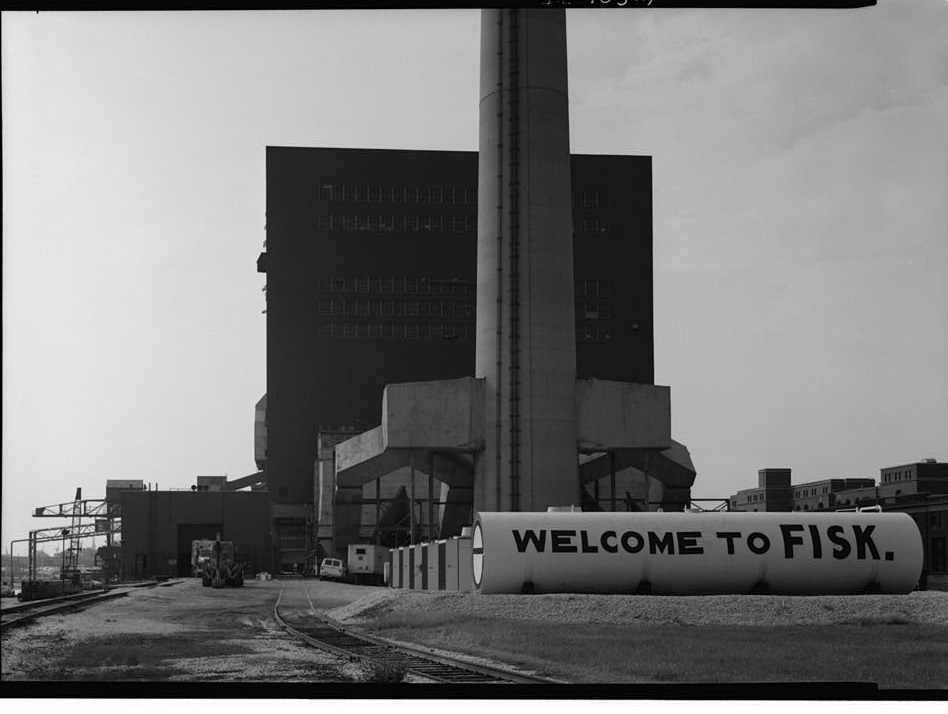
As scientific attention to environmental issues grew in the 20th century, the power plant came under heavy criticism. The use of coal at the Fisk Generating Station resulted in significant emissions of carbon and sulfur dioxide into the atmosphere.
Even at that time, scientists had determined that excessive carbon dioxide emissions directly contribute to global warming, while high levels of sulfur dioxide cause acid rain.
However, these were not the only problems. Burning coal also released particulate matter into the air, which settled in the lungs of local residents. This included toxic metals like lead, mercury, and arsenic. These hazardous substances also contaminated local waterways, and the fish from these waters were consumed by Chicagoans.
The generators at the Fisk Station were cooled with water from the river, a process that damaged the local ecosystem.
The greatest outrage, however, came from the people living nearby. The Fisk Generating Station was built in a densely populated Chicago neighborhood, as little attention was paid to environmental concerns in the early 20th century. The community was primarily home to low-income residents who could not afford quality medical care. Due to the harmful emissions, locals suffered from high rates of heart and lung diseases.
This situation created a clear case of environmental injustice in Chicago, as the residents of the community near the Fisk Generating Station bore the brunt of the harmful effects of air pollution.
Lawsuits Against the Fisk Generating Station
The Chicago coal-fired power plant was the subject of several high-profile lawsuits. One lawsuit alleged violations of the Clean Air Act. Environmental groups sued Midwest Generation, the corporation that owned the Fisk Station, for exceeding emission limits for nitrogen oxides and sulfur dioxide. The corporation had also failed to install federally mandated pollution control systems. The lawsuit resulted in a settlement agreement that required the company to either reduce emissions or shut down the plant.
Another widely publicized case was a complaint filed by residents of the Pilsen and Little Village communities. The lawsuit’s primary demand was the closure of the Fisk Generating Station due to its detrimental health effects on Chicagoans. Community representatives argued that harmful emissions from the plant led to a sharp increase in respiratory and cardiovascular diseases.
The lawsuits eventually grew into large-scale protests. In 2005, community organizations petitioned the U.S. Environmental Protection Agency (EPA) to amend the operating permits for Chicago’s two power plants—Crawford and Fisk. However, the EPA found no legal violations in their operation.
Four years later, activists organized another major protest near the Fisk Station to mark the International Day of Climate Action. An attempt to block the entrance to the station ended with the arrest of the most active participants.
In 2010, the protests resumed with renewed vigor. Activists demanded the closure of all coal plants in Chicago and held a demonstration called the “Day of the Dead” to remember the lives lost due to pollution from the Crawford and Fisk stations. In a dramatic move, Greenpeace activists climbed one of the Fisk Station’s smokestacks and unfurled a banner that read “Quit Coal.”
The Official Closure of the Fisk Generating Station
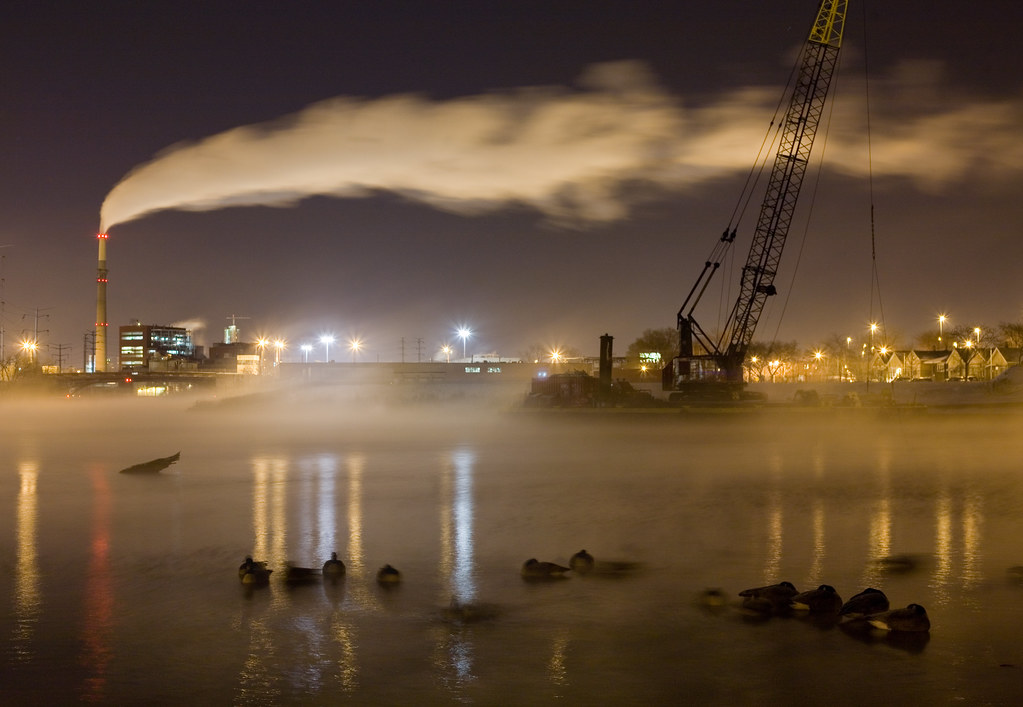
The decision to close the power plant was made in 2012 to improve Chicago’s environmental quality. Its sister station in Crawford ceased operations at the same time, eliminating two of the city’s most powerful sources of carbon dioxide and other hazardous pollutants.
The closure was preceded by a local ordinance that mandated coal plants to modernize and reduce air pollution. However, most companies found it financially unfeasible to implement the new technologies, leaving closure as their only option. This was the fate of the Fisk and Crawford stations.
The long-awaited closure of the Fisk Generating Station was the result of years of activist pressure and legislative action. In its wake, Chicago began to focus more on harnessing wind power and other renewable resources that have a less negative impact on the environment.